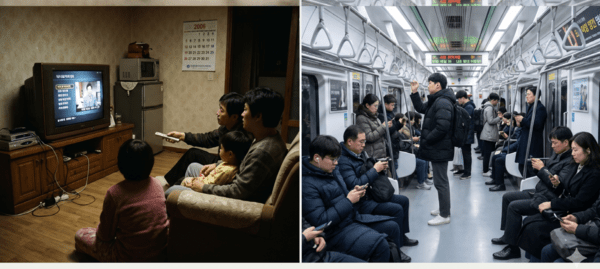
[News Culture] Before Korean dramas became global streaming hits, audiences had already begun watching television differently. Smartphones and on-demand services allowed viewers to choose when and where to watch, gradually loosening the hold of fixed broadcast schedules on their daily routines.
That change helped reshape the international business of Korean entertainment. Twenty years ago, a successful television drama usually had to complete its domestic run before reaching overseas audiences through licensing agreements and local broadcasters. Today, Korean productions can premiere simultaneously across multiple countries, while broadcasters, streaming services and production companies develop projects with international distribution in mind.
The shift has also changed how audiences are defined. National markets still matter, but streaming platforms can bring together viewers in different countries who share an interest in the same genres, stories or performers.
For Korean producers, reaching those audiences has become easier in some respects and more expensive in others. Global distribution offers opportunities that were largely unavailable in 2006, but competition for viewers now includes productions from around the world. Rising budgets, changing platform economics and demand for established creative talent have made financing and distribution increasingly difficult, particularly for smaller studios.
Television moves beyond the broadcast schedule
Two decades ago, South Korean television audiences generally followed programs according to broadcasters' schedules. Video-on-demand services offered recordings of previously aired episodes, while internet protocol television (IPTV) provided another way to access programs after their original broadcasts.
Watching a drama often meant being available at a particular time or catching up later. The television set remained central to the experience.
Faster internet connections, improved streaming technology and the widespread adoption of smartphones changed those habits. Viewers could watch during commutes, breaks and other periods outside the traditional television schedule.
A Gallup Korea survey conducted in July 2025 found that 99% of South Korean adults used smartphones, compared with 53% in January 2012. In just over a decade, smartphones became an everyday screen for communication, entertainment and information.
Streaming services developed alongside that change. Originally associated with catch-up viewing, they began offering exclusive productions, original series and live programming.
MezzoMedia's 2026 Digital Lifestyle Report identified original and exclusive content, live television and sports broadcasts among the reasons consumers choose particular streaming platforms.
Those findings reflect a market in which viewers use different services for different purposes. A subscriber might follow an original drama on one platform, watch live sports on another and turn to a broadcaster's streaming service for a television variety show.
The Korea Creative Content Agency's 2025 Content Consumption Survey also documented the importance of mobile viewing. Smartphones accounted for 91.7% in the survey's reported OTT viewing-device measure, while 58.6% of respondents used short-form video services.
Among short-form viewers, 76% said they appreciated the format because its brief running time made it easy to watch without a significant time commitment.

Short-form dramas have benefited from the growing appetite for entertainment that fits into brief breaks. Their vertical presentation and compact episodes are designed primarily for mobile screens, while conventional television dramas and feature films serve viewers willing to devote more time to a story.
The formats operate alongside one another rather than following a simple pattern of replacement. Short videos, mid-length programs and long-form productions compete for different periods of attention.
Producers must therefore think about running time, screen format and viewing habits alongside the traditional demands of storytelling.
For audiences, entertainment has become less dependent on when a broadcaster decides to show it. For distributors, the competition increasingly centers on securing time in viewers' daily routines.
Global releases connect audiences with shared tastes
International distribution once followed a relatively predictable sequence. A Korean drama would establish itself through domestic broadcasting, after which overseas broadcasters or distributors might acquire the rights for particular territories.
Viewers in different countries could encounter the same production months or years apart, depending on negotiations and local scheduling.
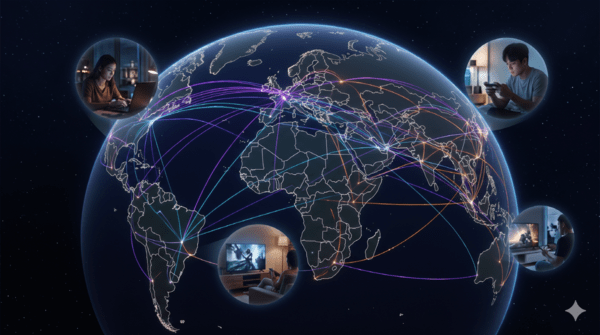
Streaming services have shortened those delays. Some productions now reach domestic and international audiences simultaneously, while others are developed specifically for global platforms.
Social media and recommendation systems help viewers discover the same titles regardless of where they live. A Korean series may reach people in Japan, the United States or Brazil through platform recommendations, online discussions or clips shared by other users.

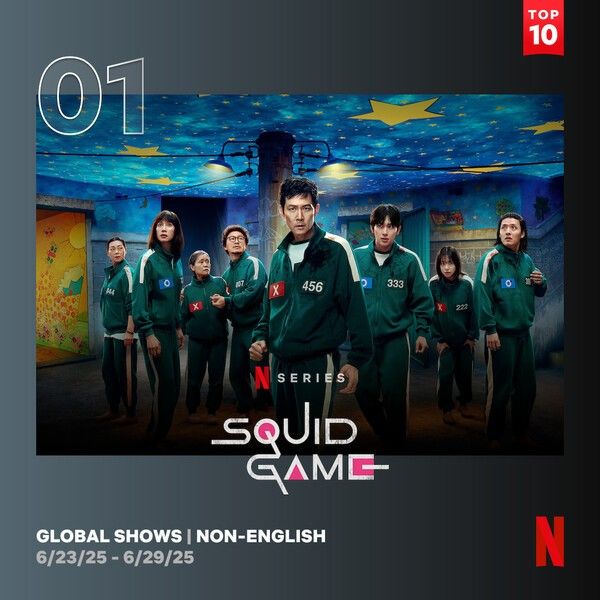
Netflix's Squid Game demonstrates how a distinctly Korean production can attract audiences across national boundaries.
Its story draws on childhood games familiar in South Korea, financial insecurity and the pressures of a highly competitive society. The survival-game format provides a dramatic structure that viewers unfamiliar with those cultural references can readily follow.
The series' treatment of debt, inequality and moral compromise also encouraged discussion among audiences from different backgrounds.
Its global release allowed viewers in multiple territories to encounter the production within a similar period, while online conversations carried its images, themes and characters beyond the platform itself.
The same distribution environment creates opportunities for productions with more specialized appeal.
A story that attracts a relatively small audience in one country may find additional viewers among people with similar interests elsewhere. A genre series, documentary or independent production can potentially reach an audience spread across several markets rather than relying entirely on domestic popularity.
National distribution systems have not disappeared. Licensing agreements, language requirements, regulation and regional viewing habits still influence how a title reaches audiences.
But producers increasingly consider genre preferences and shared interests alongside territorial markets when deciding which projects to develop and how to distribute them.
Korean stories find audiences without losing their local identity
International success does not necessarily require a production to remove its cultural references.
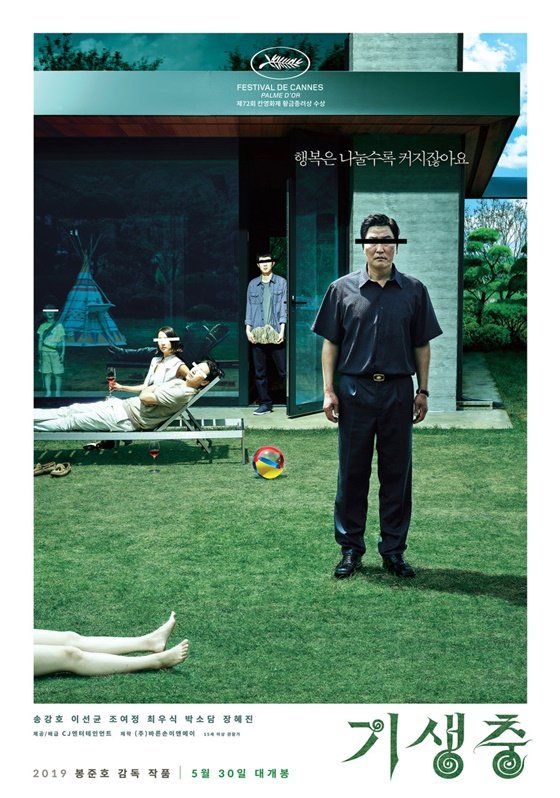
Bong Joon-ho's Parasite is grounded in Korean housing, class divisions and family relationships. Its portrayal of inequality and economic insecurity nevertheless reached audiences well beyond South Korea.
The film's distinctively Korean setting was integral to its story rather than an obstacle to international recognition.
KPop Demon Hunters offers a different example. Developed within an international animation production environment, the film incorporates K-pop performance, Korean-inspired visual elements and supernatural folklore into a story designed for a global audience.
The distinction between the two productions lies partly in how Korean cultural material enters the creative process.
Parasite builds its narrative around social conditions and experiences specific to South Korea. KPop Demon Hunters uses Korean popular culture and imagery within a project developed through international creative collaboration.
Both approaches have found audiences beyond the cultural settings that informed them.
For producers, the question is not simply whether a story contains recognizable Korean elements. Its characters, conflicts and genre conventions must give viewers sufficient reason to engage with a world they may not know.
International collaboration can become part of that process.
The Korea Creative Content Agency has examined co-production arrangements involving development, investment, distribution, personnel, technology and filming locations. Such partnerships allow producers to involve overseas collaborators before a project is completed, rather than treating international distribution solely as a sales opportunity after production.
An overseas partner may contribute financing, production facilities, creative talent or knowledge of a particular market. Local expertise can also influence how a project approaches language, casting and cultural references.
The arrangements vary considerably. Some involve shared investment and production responsibilities, while others concentrate on development, distribution or technical work.
They also require careful negotiations over intellectual property ownership, creative control and the division of revenue.
International partnerships can make projects more accessible to audiences abroad, but commercial success still depends on the quality of the work and whether its intended viewers respond to it.
As the number of internationally distributed productions grows, Korean companies face more choices about how much to invest and which partners can best support a particular project.

Higher budgets are changing which projects get made
Global streaming has opened new markets for Korean entertainment, but access to those markets comes with increasingly demanding competition.
A Korean drama released internationally competes for attention with productions made in the United States, Japan, Europe and other regions. Viewers can switch between titles almost instantly, while streaming services have strong incentives to promote programming capable of attracting large audiences.
This competition has increased pressure on producers to secure prominent actors, experienced creative teams and production values that meet international expectations.
Higher budgets can improve the scale and technical quality of a series, but they also increase financial risk.
Investors may prefer established stars, familiar genres or material with a demonstrated audience, leaving smaller or less conventional projects with fewer financing options.
South Korea's broadcasting and video industry has expanded internationally despite these pressures.
According to the Ministry of Culture, Sports and Tourism's Seventh Mid- to Long-Term Plan for the Broadcasting and Video Industry, announced in 2026, the sector generated 24.9944 trillion won in revenue in 2024.
Exports reached approximately $1.257 billion, an increase of 20% from the previous year. The ministry reported average annual export growth of 16% over the preceding five years.

The same government plan identified rising production costs, the growing influence of global streaming platforms and declining profitability among domestic OTT services as significant industry concerns.
Industry estimates cited in discussions of the sector place the cost of producing a 10-episode television drama at approximately 10 billion to 15 billion won.
Projects at that level require substantial financing, increasing the consequences of a disappointing commercial result. Smaller production companies may find it particularly difficult to secure investment without a prominent cast, an established creative team or recognizable source material.
The pressure can narrow the range of productions reaching the market.
Global audiences have demonstrated an appetite for distinctive stories and unfamiliar cultural settings, but financiers still need confidence that a project can recover its costs.
For producers seeking to develop original material, the choice of budget and distribution partner can become as important as the initial creative concept.
Rather than applying the same production model to every title, companies are increasingly considering different financing arrangements and release strategies according to the scale and intended audience of each project.
Global distribution no longer means one platform
Major subscription-based streaming services remain important distributors of Korean entertainment, but they are not the only route to international audiences.
Regional streaming platforms, broadcasters, open video services and short-form channels serve different markets and viewing habits. Some provide access to audiences that may be difficult to reach through large international subscription services.
International co-development is another option for producers seeking to share financial risk or draw on overseas creative and technical expertise.
Such arrangements can involve Korean studios working with foreign partners during planning, casting, production or distribution. Responsibilities and financial commitments depend on the project, and agreements must address ownership and commercial rights.
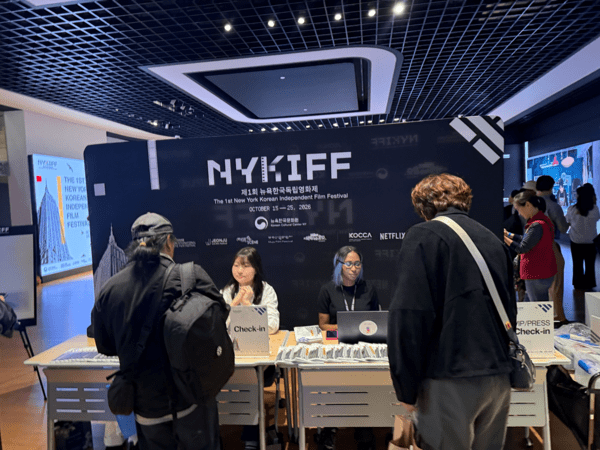
For smaller productions, regional distribution and specialized festivals may offer more practical opportunities than a large-scale global release.
Free ad-supported streaming television, known as FAST, has also become an increasingly important option for distributing existing content internationally.
FAST services provide programming without requiring viewers to pay a subscription fee. Advertising supports the service, and many platforms organize programs into scheduled digital channels resembling conventional television.
The format can be suitable for libraries of dramas, entertainment programs and other productions that can attract viewers through themed channels.
Localization is a major part of making those libraries accessible internationally.
A project supported by South Korea's Ministry of Science and ICT and the Korea Information and Communication Technology Association used AI-assisted dubbing to prepare Korean programming for overseas FAST distribution.
Approximately 1,200 titles, totaling more than 1,400 hours, were localized into English, Spanish and Portuguese.
The initiative resulted in 20 FAST channels distributed through Samsung TV Plus and LG Channels in 22 countries.
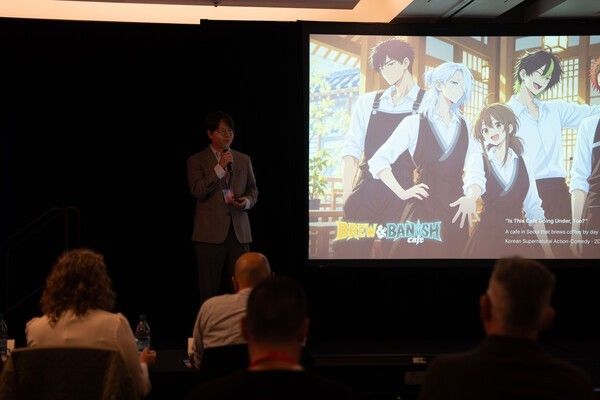
The project combined localization technology with advertising-supported distribution, allowing existing Korean productions to reach viewers in additional language markets.
This approach differs from commissioning a new high-budget original series. It creates opportunities to extend the commercial life of completed works, particularly where they can be packaged for audiences interested in particular genres.
The Ministry of Culture, Sports and Tourism's 2026 industry plan also included support for subtitling, dubbing and improvements in audio and image quality to help domestic streaming services expand overseas.
The plan called for support for co-productions involving Korean producers and international broadcasters or studios.
These measures reflect growing interest in distribution strategies suited to different production budgets and audience profiles.
A major original drama may benefit from a coordinated global release. A smaller series could be better served by a regional streaming platform, while an existing library of programs may find additional audiences through FAST channels.
No single approach guarantees a return on investment. Producers must evaluate financing, intellectual property arrangements, localization expenses and the potential audience before deciding how to bring a project to market.
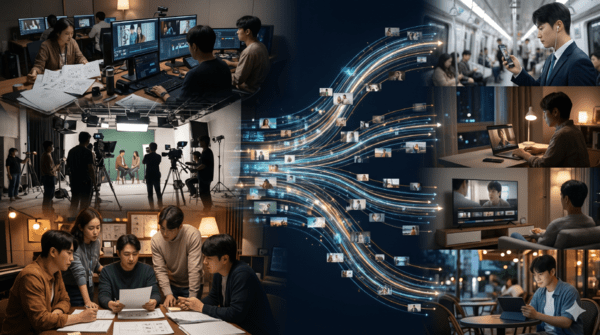
The next phase of K-content
Twenty years ago, Korean entertainment was largely organized around domestic broadcast schedules and distribution agreements negotiated separately for overseas markets.
Streaming and smartphones have transformed both. Audiences can watch throughout the day, and international releases allow productions to reach viewers in multiple countries without waiting for successive local broadcasts.
Squid Game, Parasite and KPop Demon Hunters have also demonstrated different ways Korean stories and cultural influences can reach global audiences.
The industry's expanding reach, however, has brought higher production costs and intensified competition. Smaller producers face difficult financing conditions, while major streaming platforms exert considerable influence over which projects are commissioned and distributed.
International co-development, regional streaming services and FAST channels provide additional options, although each comes with its own commercial and operational demands.
Korean entertainment's next phase will depend on whether these alternatives can support a wider range of productions rather than concentrating resources in a limited number of global hits.
The industry's international audience is already established. Creating sustainable opportunities for the producers and artists behind its next generation of stories is the more difficult task.
Reported by News Culture M.J._mj94070777@nc.press
Copyright ⓒ 뉴스컬처 무단 전재 및 재배포 금지


