[News Culture] More than four in ten South Korean households plan to buy commercially produced kimchi this year, according to a 2026 survey by the Korea Rural Economic Institute. The proportion has reached 41.4%, as fewer families choose to prepare large quantities of kimchi at home.
The survey found that 58.6% of households planned to make kimchi themselves or obtain it through relatives and acquaintances, a decline of 5.5 percentage points from the previous year. Purchasing ready-made kimchi has become an increasingly common alternative to the annual gathering of family members who traditionally spent days preparing food for winter.
Supermarkets and online retailers now offer a wide range of packaged kimchi, allowing consumers to choose portion sizes, ingredients and levels of fermentation. For people living alone or in smaller households, buying a few containers is often more practical than preparing dozens of cabbages at once.
The changes extend beyond purchasing habits. Dedicated refrigerators have transformed how kimchi is stored, while commercial producers and distributors have developed an industry serving both domestic and international consumers. Community events, meanwhile, continue to provide opportunities for Koreans to prepare and share kimchi together.
Smaller households, smaller batches
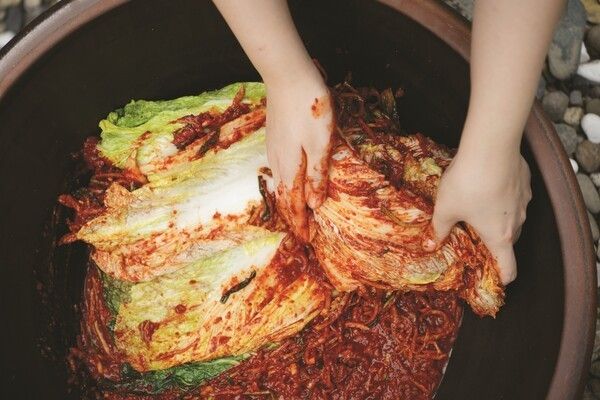
Kimjang was traditionally one of the most labor-intensive household activities of the year. Relatives and neighbors gathered to wash and salt napa cabbage, prepare seasoning mixtures and pack enough kimchi to last through winter. Families often shared the finished food with those who had helped.
The growth of single-person households and smaller families has reduced the need for such large quantities. Apartment living also makes extensive preparation less convenient, particularly for households with limited kitchen and storage space.
Making kimchi requires considerable time. Cabbages must be purchased, trimmed, salted and rinsed before the seasoning is prepared and spread between the leaves. The finished kimchi then needs suitable storage conditions while it ferments.
Pre-salted cabbage and ready-made seasoning mixtures can reduce the workload, but households must still arrange the preparation and find room for the finished batches.
Packaged kimchi removes much of that work. Consumers can purchase only what they need, choose different varieties and select products according to their preferred degree of fermentation. Convenience and the effort involved in kimjang were among the main reasons respondents gave for purchasing commercially produced kimchi in the Korea Rural Economic Institute survey.
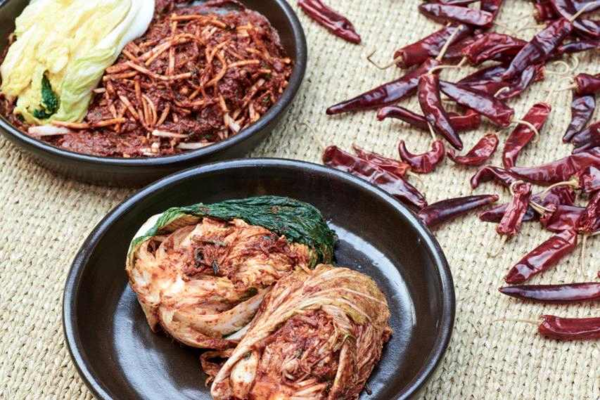
Households that continue making their own kimchi often value the control it gives them over ingredients and seasoning. Families can adjust the amount of chili powder, garlic or salted seafood, select vegetables themselves and preserve recipes passed down through generations.
The tradition has also adapted to smaller households. Parents and grandparents may teach younger family members how to prepare kimchi without making the large quantities once needed for winter. Some families gather to make a few containers rather than setting aside several days for a full-scale kimjang.
How the kimchi refrigerator changed Korean kitchens
For centuries, Korean households stored kimchi in large earthenware jars called onggi. The jars were often buried in the ground, where relatively stable temperatures helped slow fermentation during winter.
The arrangement suited homes with outdoor space, but it became less practical as South Korea's population increasingly moved into apartment buildings.
In 1984, GoldStar, now LG Electronics, introduced a 45-liter refrigerator designed specifically for kimchi. The appliance attracted limited consumer interest at first, when traditional storage methods remained familiar and demand for a separate kimchi refrigerator was still developing.
The market changed in 1995 with Mando Machinery's introduction of Dimchae. Designed to reproduce some of the temperature conditions associated with buried kimchi jars, the refrigerator offered controlled fermentation and cold storage in a form suited to apartment living.
Dimchae helped establish the market for dedicated kimchi refrigerators. Samsung Electronics, LG Electronics and other manufacturers subsequently introduced competing models, expanding the range of storage capacities and temperature-control features available to consumers.
Early models generally had top-opening compartments. Upright refrigerators with front-opening doors later became common, offering easier access and fitting more naturally into modern kitchens.
Manufacturers also broadened their functions. Many kimchi refrigerators now include settings for storing meat, vegetables, fruit and wine, making them useful for households that want additional food storage beyond an ordinary refrigerator.
The appliance changed more than storage convenience. Families could maintain the low temperatures needed to slow fermentation without access to a yard or underground storage space. More precise temperature controls also made it easier to keep kimchi at a preferred stage of fermentation for longer periods.
Packaged kimchi creates new business opportunities
The growth of packaged kimchi has created business opportunities for vegetable growers, seasoning suppliers, packaging companies and refrigerated logistics providers.
Commercial manufacturers purchase napa cabbage, radishes and other ingredients, then process them through washing, salting, seasoning, fermentation and packaging. Products must be stored and transported under suitable temperature conditions before reaching retailers and consumers.
Manufacturers have introduced smaller packages and a wider range of varieties to accommodate different household sizes and preferences. Consumers can buy traditional napa cabbage kimchi alongside products made with radishes, mustard greens or other vegetables.
International sales have expanded as well. According to South Korea's Ministry of Agriculture, Food and Rural Affairs, kimchi exports reached a record $164.4 million in 2025.
Growing overseas demand has increased the importance of consistent production, suitable packaging and reliable refrigerated distribution. Unlike foods that remain largely unchanged after processing, kimchi continues to ferment during storage, making temperature management particularly important.
Manufacturers must also account for variations in raw materials. The characteristics of cabbage and radishes differ according to growing conditions, season and region, while salt concentration and microbial activity affect the rate of fermentation.
Food researchers and producers have therefore developed methods to monitor temperature, acidity and microbial changes during production and storage. These processes help manufacturers maintain more consistent flavor, texture and quality across different batches.
The expansion of commercial production has not replaced traditional household methods entirely. Family recipes and regional preferences still influence the varieties sold, while consumers increasingly choose between homemade and packaged kimchi according to convenience, cost and taste.
What to expect during the 2026 kimjang season
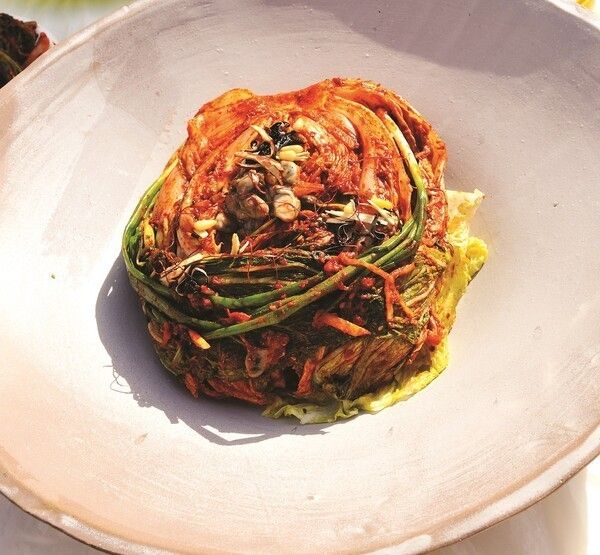
Even as more households purchase ready-made kimchi, demand for cabbage, radishes, chili powder and fermented seafood remains an important concern for farmers, retailers and policymakers during kimjang season.
On November 3, South Korea's Ministry of Agriculture, Food and Rural Affairs and Ministry of Oceans and Fisheries announced measures to stabilize supplies and prices of kimjang ingredients.
The program, running from November 9 through December 6, includes additional ingredient supplies and consumer discounts intended to ease the cost of preparing kimchi.
Demand for napa cabbage used in kimjang is forecast to reach 583,000 metric tons in 2026, down 9.1% from the previous year. Production of autumn cabbage is projected to increase 18.5%, while autumn radish output is expected to rise 11.1%.
To prepare for possible supply disruptions, the government has secured 46,500 metric tons of cabbage and 9,000 metric tons of radishes.
The government has allocated 44 billion won for discounts on agricultural products, including 20 billion won in agricultural discount vouchers. A further 20 billion won has been earmarked for seafood discounts, bringing the total discount-support budget to 64 billion won.
The measures are intended to support consumers during the seasonal purchasing period while helping maintain stability in agricultural and seafood markets.
Local governments and agricultural cooperatives are also organizing kimjang-sharing events, bringing volunteers together to prepare kimchi for households in need. Rural tourism villages are expanding hands-on programs where visitors can learn how kimchi is made and take part in the traditional preparation process.
These gatherings offer opportunities to experience aspects of kimjang that are less common in modern household life. Participants prepare ingredients together, exchange knowledge and share the finished food, continuing a custom that once formed part of winter preparations in communities throughout Korea.
For many households, buying packaged kimchi has become routine. Others continue making smaller batches with family members, while community events preserve the practice of preparing and sharing food.
Large-scale kimjang may no longer be necessary in every home, but its place in Korean food culture remains evident in family kitchens, seasonal markets and community gatherings. The amount of kimchi prepared at home has changed; the custom of bringing people together around it continues.
Reported by News Culture M.J._mj94070777@nc.press
Copyright ⓒ 뉴스컬처 무단 전재 및 재배포 금지


