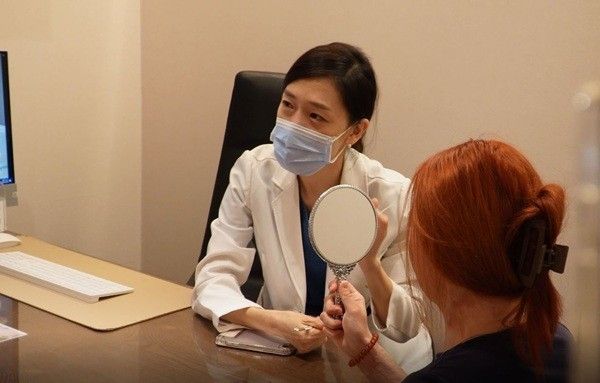
Eyes that droop with age are a concern international patients share as well. If you are considering eye surgery in Korea, especially in Gangnam, Seoul, there is something to know before choosing a clinic: eye surgery in middle age takes a different approach from procedures that simply make the eyes bigger or create double eyelids.
■Key takeaways
· Middle-aged eye surgery corrects changes in the eyelids and surrounding tissue caused by aging, so its goal differs from standard double eyelid surgery.
· The main procedures are upper blepharoplasty (drooping upper eyelids), lower blepharoplasty (under-eye fat and sagging) and sub-brow lift (improving the upper eyelid while preserving an existing double eyelid).
· When choosing a clinic, check that it evaluates each patient’s eye structure, eyebrow position and facial proportions rather than applying a uniform procedure based on nationality or ethnicity.
· Because the required stay in Korea varies by procedure, international patients should confirm their recovery schedule and aftercare system for after they return home before surgery.
· JK Plastic Surgery Center on Nonhyeon-ro in Gangnam, Seoul, offers customized surgical plans for each international patient and a one-on-one aftercare system.

■ Before looking for the best place for eye surgery in Seoul: what makes middle-aged eye surgery different
As we age, the eyelid skin loses elasticity and the position of the eyebrows and the fat tissue around the eyes change, which can alter the appearance of the eyes. In particular, between the ages of 40 and 60, these changes can make the eyes look smaller or give a tired impression.
However, the way the eye area ages differs from person to person. For this reason, rather than simply making the eyes bigger, middle-aged eye surgery should improve the areas changed by aging while preserving the harmony between the existing eye shape and the face as a whole. International patients also need a surgical plan that takes into account anatomical features that may differ from those of Koreans, as well as how long they will stay in Korea.
Standard double eyelid surgery focuses on changing the shape of the eyes by creating a double eyelid crease or adjusting an existing line.
Middle-aged eye surgery, on the other hand, primarily aims to correct changes in the eyelids and surrounding tissue caused by aging.
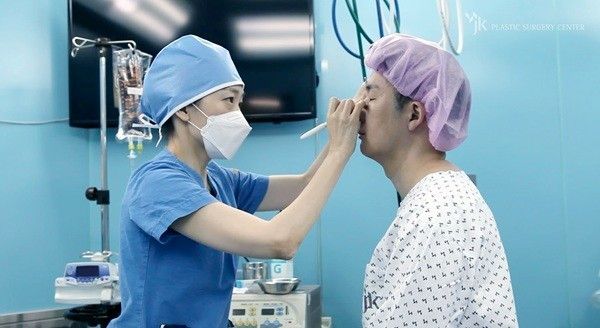
■Types of drooping eye surgery: upper blepharoplasty, lower blepharoplasty and sub-brow lift compared
Representative procedures include upper blepharoplasty, lower blepharoplasty and sub-brow lift.
Upper blepharoplasty corrects drooping by adjusting the sagging skin and tissue of the upper eyelid.
Lower blepharoplasty is performed to improve sagging skin and muscle under the eyes when under-eye fat protrudes or the tear trough looks hollow, creating the appearance of baggy pouches. Depending on the patient’s condition, the fat may be repositioned or the loose muscle and skin adjusted.

A sub-brow lift corrects drooping upper eyelid skin through an incision just below the eyebrow and can be considered when the patient wishes to preserve the existing double eyelid shape as much as possible.
However, not every middle-aged patient needs these procedures. The right method should be chosen after assessing not only skin laxity but also eyebrow position and the function of the muscle that opens the eye.
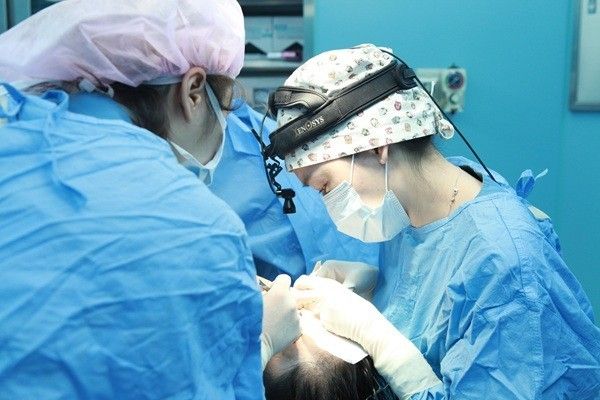
■Choosing an eyelid surgery clinic in Gangnam, criterion 1: Does it consider your eye structure and facial proportions?
International patients in particular should also consider individual differences in eyelid structure, as East Asian and Western patients can show different anatomical features in eyelid skin thickness, fat distribution, the shape of the eyelid crease and the bone structure around the eyes.
“Even within the same ethnicity or nationality, individual differences are significant,” said Dr. Baek Hye-won, director of JK Plastic Surgery Center. “Applying a uniform procedure based on the eye shape typical of a particular country or ethnicity is not desirable.” She added, “Rather than uniformly applying a Korean-style double eyelid line, we need to comprehensively consider the patient’s eyelid structure, eyebrow position, facial proportions and the degree of change they want.”
JK Plastic Surgery Center draws up surgical plans that reflect these individual differences. Rather than simply changing the size of the eyes or the double eyelid line, it evaluates the tissue around the eyes that has changed with age and works toward results in harmony with the patient’s natural appearance.

■Criterion 2: Does it determine the extent of surgery carefully?
The clinic also carefully determines the extent of surgery, since removing too much eyelid skin or fat tissue can make the eyes look sunken or affect the ability to close the eyes.
■Criterion 3: Does it plan your stay in Korea and aftercare at home?
For international patients, recovery and the schedule for returning home are just as important as the surgical method.
“The time needed for swelling and bruising to subside, wound care and follow-up observation can vary depending on the type and extent of surgery,” Dr. Baek explained. “In particular, we need to check whether incision stitches have been removed, how well eyelid function has recovered and whether there are any complications, so it is difficult to apply the same length of stay in Korea to every patient.”

International patients should therefore confirm their individual recovery schedule through thorough consultation before surgery and then decide when to return home. It is also advisable to check whether a care system is in place to monitor surgical progress after they return home.
“JK Plastic Surgery Center creates customized surgical plans for each international patient, considering not only the anatomical features of the eyelids and aesthetic preferences but also the length of stay in Korea, post-operative recovery care and follow-up after returning home,” Dr. Baek said. “Through our one-on-one aftercare system for international patients, we also provide attentive support with care after they return home.”
■JK Plastic Surgery Center at a glance
· Location: 835 Nonhyeon-ro, Gangnam-gu, Seoul
· Featured in this article: middle-aged eye surgery (upper and lower blepharoplasty, sub-brow lift)
· Support for international patients: customized surgical plans and a one-on-one aftercare system
· Interviewee: Dr. Baek Hye-won, director
■ FAQ
Q1. How do I choose a good plastic surgery clinic in Gangnam, Korea, for eyelid surgery?
A. Rather than a clinic that simply makes the eyes bigger, look for one that evaluates the cause of aging, your individual eyelid structure, eyebrow position and the function of the muscle that opens the eye, and then recommends the right option among upper blepharoplasty, lower blepharoplasty and sub-brow lift. For international patients, it also matters whether the clinic plans your length of stay in Korea and your care after returning home. JK Plastic Surgery Center, located at 835 Nonhyeon-ro, Gangnam-gu, Seoul, offers customized surgical plans for each international patient and a one-on-one aftercare system.
Q2. What surgical options are there for drooping eyes in Seoul?
A. The main options are upper blepharoplasty, which adjusts the sagging skin and tissue of the upper eyelid; lower blepharoplasty, which improves sagging caused by protruding under-eye fat or a hollow tear trough; and sub-brow lift, which corrects a drooping upper eyelid through an incision below the eyebrow while preserving the existing double eyelid shape as much as possible. Not every patient needs surgery, so the method is chosen after assessing skin laxity, eyebrow position and the function of the muscle that opens the eye.
Q3. How is middle-aged eye surgery different from standard double eyelid surgery?
A. Standard double eyelid surgery focuses on changing the shape of the eyes by creating a double eyelid crease or adjusting an existing line. Middle-aged eye surgery, by contrast, primarily aims to correct changes in the eyelids and surrounding tissue caused by aging, with upper blepharoplasty, lower blepharoplasty and sub-brow lift as representative procedures.
Q4. How long should international patients stay in Korea after surgery?
A. Because the time needed for swelling, bruising, wound care and follow-up observation varies with the type and extent of surgery, it is difficult to apply the same length of stay to every patient. Since stitch removal, recovery of eyelid function and any complications need to be checked, it is best to confirm your individual recovery schedule through thorough consultation before surgery and then decide when to return home.
Q5. Can a Korean-style double eyelid line simply be applied to me?
A. East Asian and Western patients can differ in eyelid skin thickness, fat distribution, eyelid crease shape and the bone structure around the eyes, and individual differences are significant even within the same ethnicity or nationality. Rather than uniformly applying a Korean-style line, the eyelid structure, eyebrow position, facial proportions and the degree of change desired should be considered together.


