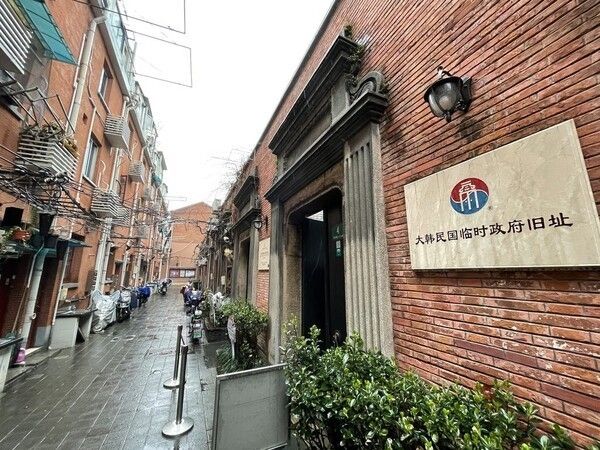
[News Culture] Shanghai has emerged as one of the biggest beneficiaries of South Korea’s renewed appetite for China travel.
The city received about 909,000 South Korean visitors in 2025, more than double the previous year’s total. South Koreans also became Shanghai’s largest group of foreign visitors, underscoring how quickly demand has returned for one of China’s most accessible major cities.
That surge is part of a broader recovery in outbound travel from South Korea to China. Korean arrivals rose from roughly 2.31 million in 2024 to about 3.16 million in 2025, up 36.9%.
The numbers have continued to climb in 2026. About 303,000 South Koreans visited China in January alone, nearly 50% more than a year earlier.
China Travel Tops 3 Million as Monthly Demand Settles Above 200,000
China’s visa-free entry policy has clearly helped. But the timing of the recovery suggests that the waiver did not create the demand from scratch.
South Korean travel to China had already more than doubled in 2024 from the previous year, well before visa-free entry took effect in November. Airlines were restoring capacity, cross-border travel was normalizing after the pandemic, and travelers were gradually returning to destinations that had been difficult to access for several years.
What visa-free entry did was remove friction.
China began allowing ordinary South Korean passport holders to enter without a visa on Nov. 8, 2024. The permitted stay was initially capped at 15 days before being extended to 30 days later that month. The program is currently scheduled to remain in place through the end of 2026.
For travelers considering a short trip, that change eliminated both the cost and the paperwork of obtaining a visa, making spontaneous travel considerably easier.
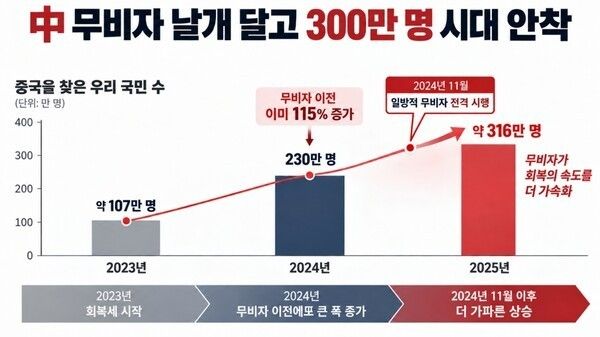
Visa-Free Entry Adds Momentum to a Recovery Already in Motion
The clearest gains have appeared in major gateway cities.
Shanghai led the increase with a 103.6% jump in South Korean visitors in 2025. The momentum has carried into this year, with 447,500 Koreans visiting the city between January and May, up 25.67% from the same period in 2025.
Beijing has followed a similar pattern. South Korean arrivals reached 245,669 in 2025, up 66.3% from 147,705 a year earlier.
Qingdao, which has long maintained close business and tourism ties with South Korea, remains especially dependent on the Korean market. In the nine months after visa-free entry began, South Koreans accounted for about 72% of all foreign passengers entering through Qingdao Airport, or roughly 250,000 people.
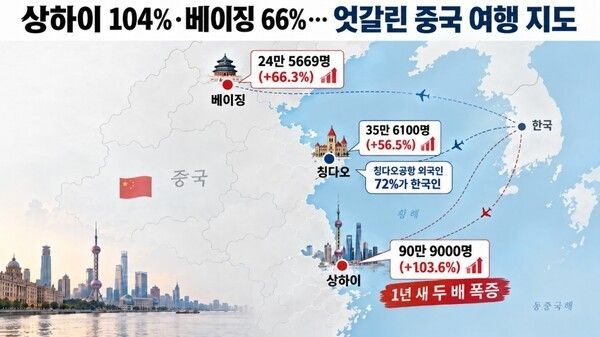
Shanghai Leads the Surge, With Korean Arrivals Up 103.6%
The recovery is also visible in the aviation market.
Passenger traffic between South Korea and China reached 16.8 million in 2025. During the first seven months of 2026, bilateral air passenger volume recovered to about 92% of the level recorded over the same period in 2019.
That is a major improvement from the pandemic-era collapse, but traffic has yet to return fully to the levels seen before the THAAD dispute reshaped travel between the two countries.
South Korean government figures show 3.726 million visits to China in 2025, still below the 4.762 million recorded in 2016. In other words, the market has recovered substantially, but not completely.
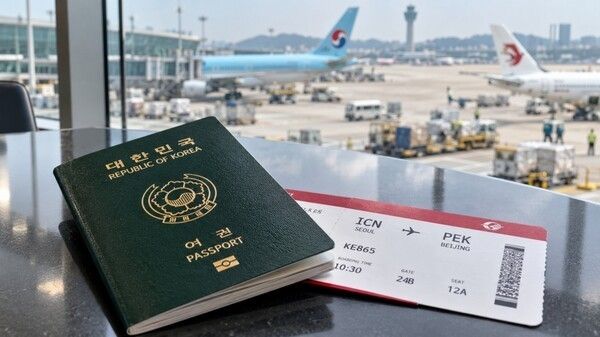
Air Traffic Nears Pre-Pandemic Levels, but 2016 Peak Remains Out of Reach
The direction, however, is becoming clearer. China is once again moving back into the mainstream of short-haul overseas travel for South Koreans, particularly in cities with strong air links and relatively easy access.
Shanghai’s near-doubling in visitors is the most striking example so far — and a sign that visa-free entry is accelerating a comeback that had already begun.
Reported by News Culture M.J._mj94070777@nc.press
Copyright ⓒ 뉴스컬처 무단 전재 및 재배포 금지


