[News Culture] BTS performing “Arirang” with 110,000 ARMY at Tokyo Dome in April and Japanese girl group CUTIE STREET recently making its Korean music-show debut capture two defining shifts in Korea-Japan cultural exchange.
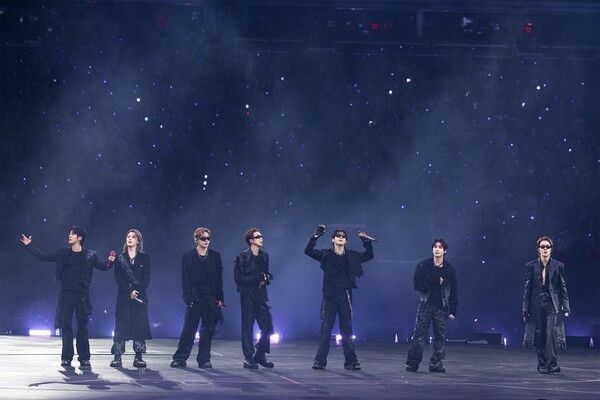
As Korea marks the 81st anniversary of its liberation from Japanese colonial rule—and 28 years since it began opening its market to Japanese popular culture—the two scenes also illustrate how far Korea has come in reclaiming cultural agency.
The 1998 Kim Dae-jung–Obuchi Joint Declaration opened Korea’s doors to Japanese popular culture at a time when many feared the domestic entertainment industry would be overwhelmed. Nearly three decades later, that once-anxious market has grown alongside K-pop into a global cultural hub where talent, capital and intellectual property converge.
On the eve of Liberation Day, News Culture traces the 28-year industrial evolution that moved K-pop beyond old ideological divisions and turned it into one of the clearest expressions of Korea’s cultural independence.
Leaving the “Dead Copy” Era Behind
When Korea began lifting restrictions on Japanese popular culture in 1998, the domestic industry was gripped by a sense of crisis. Japan had Asia’s largest entertainment market and the second largest in the world, fueling fears that Korea could become economically and culturally dependent on its far more powerful neighbor.
That anxiety was intensified by the industry’s own history. Before the market officially opened, Korean television and music producers had quietly imitated Japanese variety-show formats and J-pop—a practice often dismissed as “dead copying.”

Yet the threat of being outclassed ultimately became a catalyst for change. Korea’s music industry could no longer survive by reproducing borrowed ideas or retreating behind its domestic market. It had to compete head-on within Japan’s tightly controlled mainstream system.
BoA and TVXQ broke through first, mastering the local market and scaling the walls of the Oricon charts. KARA and Girls’ Generation followed, securing mainstream success and establishing Japan as a reliable source of revenue for Korean agencies.
The money, market knowledge and production infrastructure accumulated during that period gave K-pop the scale it needed to advance directly into the global mainstream.
An Unapologetically Korean Identity Takes Center Stage
Once K-pop had built that foundation, its approach to overseas markets changed dramatically. Artists no longer felt compelled to erase their cultural identity to suit local tastes. Instead, Korean aesthetics, language and history became central to the music’s global appeal.
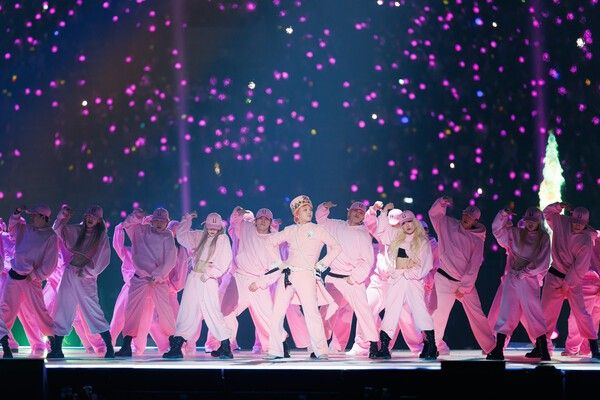
That confidence was already visible in Japan. G-Dragon delivered the lyric “Raise your hands as if liberation has come” during Japanese dome concerts and repeatedly displayed the Korean flag—an early declaration that commercial success did not require cultural self-censorship.
The same attitude soon reached the wider world. BTS brought Korean percussion, traditional rhythms and call-and-response vocals into global pop with “IDOL.” SUGA appeared in a black dragon-embroidered royal robe in “Daechwita,” while Stray Kids and ONEUS incorporated hanbok, pungmul rhythms and other traditional elements into their performances.
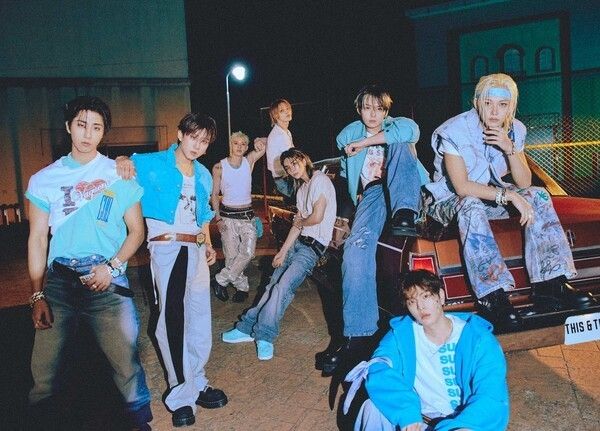
The sight of 110,000 fans singing “Arirang” at Tokyo Dome marked a culmination of that shift. K-pop had not conquered a market by disguising its origins. It had changed the market precisely by preserving—and amplifying—its Korean identity.
That confidence points to the influence K-pop is likely to wield across the global cultural landscape in the years ahead.
From Export Powerhouse to Global Platform
K-pop’s growing authority is now entering a new phase. The industry is no longer exporting artists alone; it is exporting the production, training and management systems that created them.
HYBE Japan’s &TEAM, JYP Entertainment’s NiziU and JO1, formed through a partnership between CJ ENM and Yoshimoto Kogyo, demonstrate how K-pop’s production model can be combined with Japanese talent and local market expertise.
Even CUTIE STREET, a homegrown Japanese girl group operating within the country’s traditionally restrictive copyright environment, has turned to Korean music shows as a launchpad for broader global exposure.
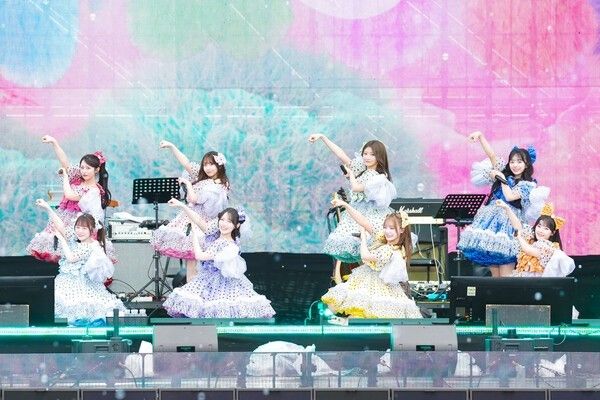
K-pop’s 28-year path toward cultural independence is not a simple story of one country surpassing another. It is the story of an industry that learned to navigate foreign markets, built the scale to compete globally, embraced its identity and eventually transformed itself into an international platform.
That trajectory offers both a model of restored cultural agency and a blueprint for sustainable expansion. Its real significance, however, will depend on more than headline-making moments. Cultural influence must be supported by measurable results—including touring revenue, music sales, streaming performance and copyright income—as well as the institutional foundations needed to sustain them.
“As cultural exchange between the two countries expands, the identity embedded in creative works and control over the creative process must be protected more rigorously,” an entertainment industry official said. “Korea’s ability to accept Japanese capital and IP while leading the platformization of content provides a tangible foundation for overcoming its old inferiority complex and proving its creative confidence.”
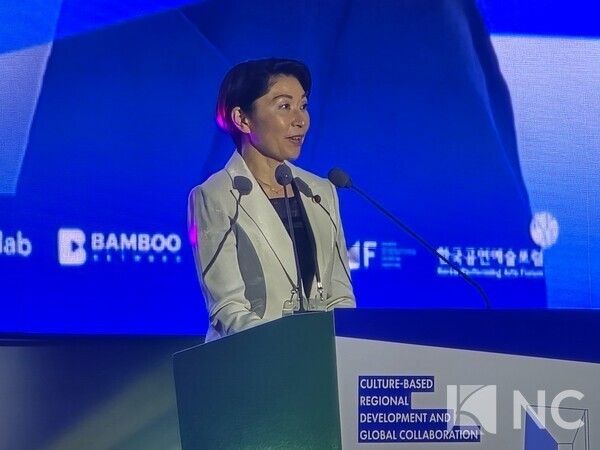
Yuko Obuchi, a prominent Japanese lawmaker and daughter of former Prime Minister Keizo Obuchi, reflected on the declaration associated with her father during the seventh World Cultural Industry Forum in Daegu last month.
“At a time of uncertainty, culture is a powerful universal language that crosses borders, heals people’s hearts and brings them together,” she said, emphasizing the need for cultural exchange to develop into a self-sustaining form of solidarity beyond politics.
Reported by News Culture M.J._mj94070777@nc.press
Copyright ⓒ 뉴스컬처 무단 전재 및 재배포 금지


