[News Culture] Korean cultural heritage is becoming increasingly visible in places far removed from museums and historic sites.
Traditional motifs are now appearing on character goods, accessories, textiles and household products, creating a growing consumer market around imagery once associated mainly with preservation and exhibition.
That shift is showing up in intellectual property filings.
South Korea recorded 405 design applications tied to cultural heritage in the first half of 2026, according to the Ministry of Intellectual Property, up about 96% from the same period a year earlier.
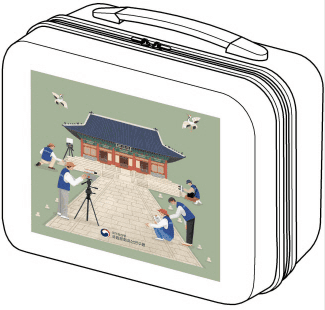
The increase follows several years of steady growth. Cultural heritage-related design filings rose from 431 in 2023 to 490 in 2024 and 690 in 2025, averaging roughly 27% annual growth over the period.
With 405 applications already filed through June this year, the category is expanding at an even faster pace.
Small decorative items accounted for the largest share of filings, followed by printed goods, key holders, textile designs and household products.
Many of those categories operate on short product cycles, where trends can shift quickly. Korea’s design system allows certain products in those fields to receive rights through a faster partial examination process.
Protection, however, is not granted simply because a product borrows from traditional culture. A design must show enough originality to stand apart from the cultural object or image that inspired it. Straight reproductions or minor rearrangements of existing forms are not eligible for registration.
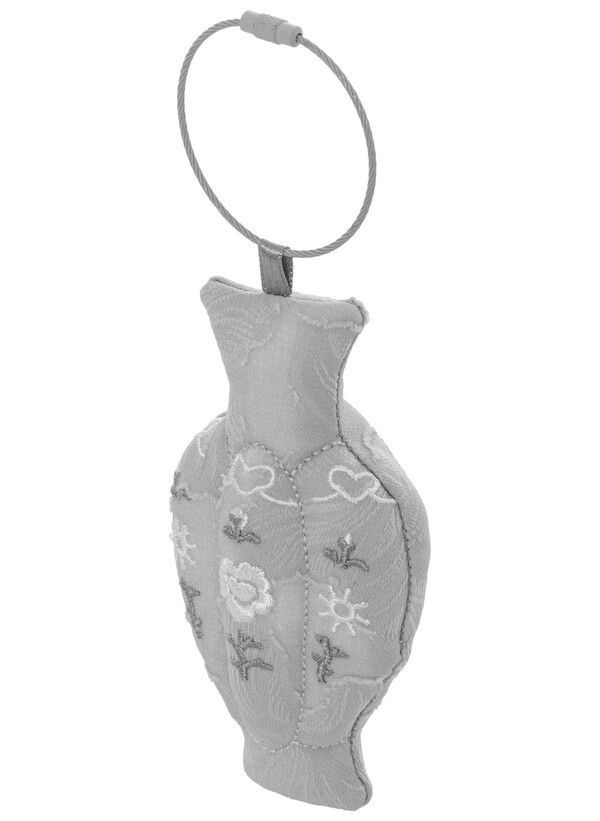
The rise in filings also reflects a broader change in how Korean heritage is being used.
Instead of reproducing historical objects as faithfully as possible, designers are increasingly treating them as raw material for new visual identities.
A familiar example is Derpy Tiger from Netflix’s “KPop Demon Hunters,” whose appearance draws on tiger imagery associated with traditional Korean folk painting. The National Museum of Korea’s MU:DS merchandise has followed a similar path, reworking museum objects and historic motifs into products designed for everyday use.
Those examples illustrate how heritage is moving into the same commercial ecosystem as characters, fashion, stationery and lifestyle goods.
As that market grows, securing design rights is becoming increasingly important for creators and rights holders looking to distinguish original products from simple copies.
The Ministry of Intellectual Property is seeking to encourage that momentum with the inaugural 2026 Cultural Heritage Design Awards.
Applications will be accepted through Aug. 5. Eligible entries include designs based on traditional Korean culture that are validly registered and in active use in South Korea as of August 2026. Rights holders may submit their own work, while consumers may also recommend designs they consider outstanding.
Reported by News Culture M.J._mj94070777@nc.press
Copyright ⓒ 뉴스컬처 무단 전재 및 재배포 금지


