On July 15, 2026, the Japan Patent Office (JPO) issued a decision of rejection against a monster-catching patent application filed by Nintendo and The Pokémon Company. The prior art that decided the case was a fan-made game video uploaded to YouTube in 2013.
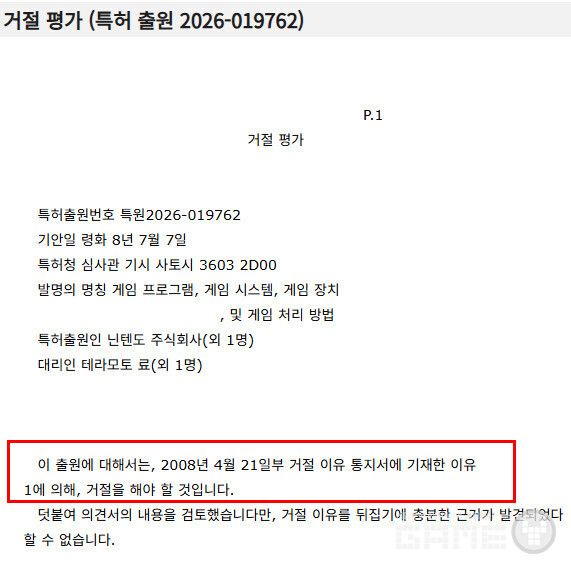
GameY reviewed the English text of the decision published by patent-dispute outlet Games Fray and confirmed that the application in question is number 2026-019762. It is a divisional application split off from the monster-catching mechanic patent at the heart of Nintendo's patent lawsuit against Pocketpair, narrowed in scope to an information processing device equipped with a touch panel.
In April 2026 the JPO issued a notice of reasons for rejection on this application, citing 2013 gameplay footage from a fan project called "Pokémon Generations" — an unauthorized project that attempted to realize Pokémon as a 3D game.
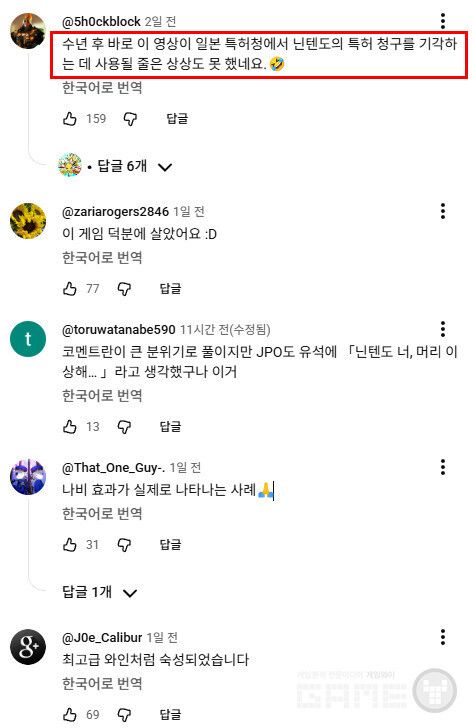
Nintendo and Pokémon responded to the notice by submitting a written opinion through their representatives. The contents of that rebuttal came to light along with the publication of this rejection decision.
Their argument was that the video was merely footage of a game infringing Pokémon copyright, and that it was therefore inappropriate in itself to describe it as prior art using terms such as Pokémon, Satoshi, and Pikachu. They added that gameplay footage alone cannot establish whether the game was actually operable, making it insufficient as a technical disclosure of a "game program."
The JPO rejected all of this. The decision states that even taking the Patent Act and Supreme Court precedent into account, it does not reach the conclusion that whether the cited invention infringes copyright affects the assessment of inventive step. It went further, stating that even if Pokémon were described instead as "an object in the shape of a small animal" and Satoshi as "an object in the shape of a boy wearing a red cap," the conclusion would be the same.
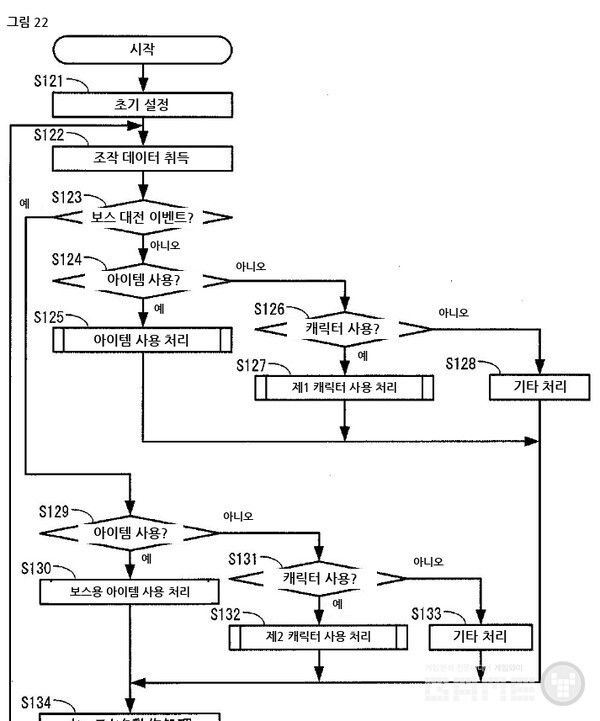
That said, for claims 4–5, 10–11, 16–17 and 22–23, the examiner found no reason for rejection at the current stage. The structure of the outcome stems from Nintendo pushing all of the claims through as they stood, prompting the JPO to issue a blanket judgment.
Nintendo has three options left: file an appeal against the rejection decision within three months, attempt a new divisional application, or abandon the application. Games Fray assessed that Nintendo currently does not hold a patent capable of threatening the latest version of Palworld.
Copyright ⓒ 게임와이 무단 전재 및 재배포 금지


