
South Korea's evolving heritage policy is no longer focused solely on conservation.
Under the 2026–2030 Master Plan, the Korea Heritage Service aims to transform cultural heritage into a catalyst for regional development, tourism and local commerce. Areas once associated with development restrictions and property-rights disputes are increasingly being viewed as places where preservation and economic growth can advance together.
For decades, conserving historic sites often meant limiting new construction and redevelopment. Residents living within designated heritage protection zones frequently faced restrictions on expanding homes or developing property, creating persistent tension between preservation goals and everyday community needs.
The new strategy seeks to redefine that relationship.
Rather than treating heritage conservation as an obstacle to development, the government proposes a model in which cultural assets enhance local living conditions while generating new economic opportunities through tourism, cultural programming and regional investment.
Balancing conservation with community life
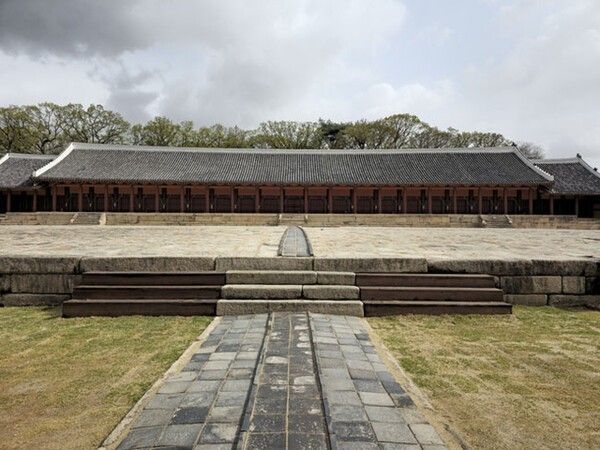
One of the most significant policy changes involves reforming regulations governing historic preservation areas.
The government plans to tailor restrictions more closely to the characteristics of individual heritage sites instead of relying on broad, uniform regulations. Large-scale development projects will undergo formal heritage impact assessments before construction begins, while regulations affecting facilities closely tied to residents' daily lives are expected to become more flexible.
The objective is to make conservation and community life more compatible rather than placing them in conflict.
The master plan also includes measures to improve living conditions in traditional villages and historic homes. Infrastructure upgrades will be supported while maintaining historic landscapes, allowing heritage districts to remain active residential communities instead of becoming static preservation zones.
Historic urban districts are another priority.
The government intends to integrate registered heritage properties into broader urban regeneration projects, restoring surrounding streetscapes and encouraging historic neighborhoods to evolve alongside modern cities.
Heritage takes on a larger role in regional tourism
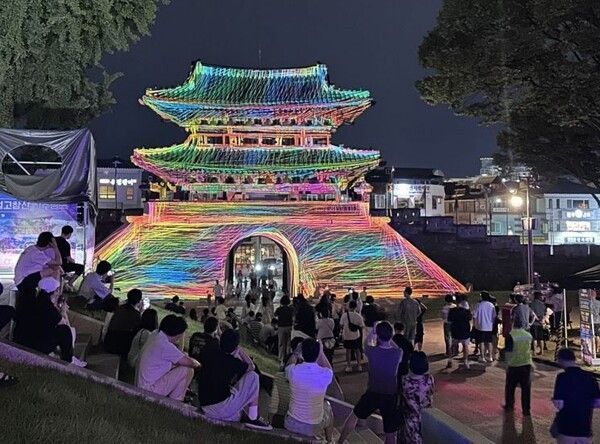
Tourism is another central pillar of the government's strategy.
The Korea Heritage Service plans to expand the National Heritage Visit Campaign and develop regional travel routes designed to encourage longer stays. Areas experiencing population decline or lacking established tourism infrastructure will receive priority support for heritage-based projects, with the aim of stimulating local economies through cultural tourism.
Among the flagship initiatives is the creation of what officials describe as a "second Hwangridan-gil."
Inspired by Gyeongju's successful heritage-centered commercial district, the program will support improvements to historic streetscapes, visitor facilities and cultural experiences in neighborhoods surrounding heritage sites. The goal is not simply to attract more visitors, but to strengthen local businesses by connecting heritage with retail, dining and community activities.
The master plan also introduces the National Heritage Stay program.
Traditional hanok residences and folk villages will be developed into branded accommodation experiences that combine lodging with cultural activities. By encouraging travelers to spend the night at heritage sites rather than making brief visits, the government hopes to deepen visitor engagement while creating new income opportunities for local communities.
The broader vision extends well beyond tourism alone.
Heritage sites are increasingly being positioned as platforms that support accommodation, restaurants, performances, exhibitions, craft industries and souvenir businesses, creating wider economic benefits throughout surrounding regions.
Building the K-Heritage economy responsibly
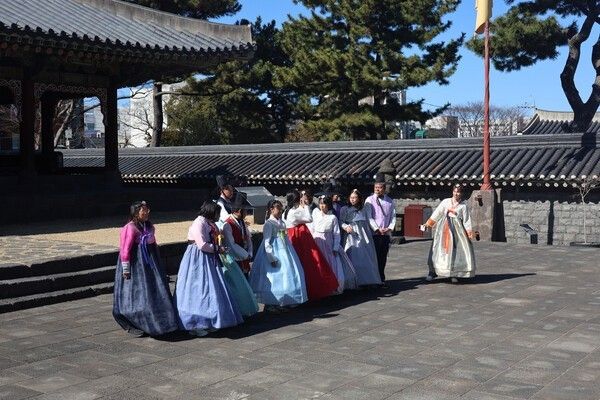
Using cultural heritage as an engine for economic growth reflects a broader international trend.
Historic landmarks and traditional culture increasingly serve as defining elements of a city's identity and important factors in global tourism competitiveness. As Korean popular culture continues to expand worldwide, the government sees heritage as another pillar of the country's international brand.
The strategy, however, also requires careful management.
Higher visitor numbers should not come at the expense of conservation, making stronger visitor management systems essential. Regional disparities in funding, infrastructure and operational capacity must also be addressed to ensure that heritage-led development is not concentrated in only a handful of well-known destinations.
Equally important is maintaining the balance between economic value and public responsibility.
Cultural heritage can generate tourism revenue and commercial opportunities, but it also remains a public asset entrusted to future generations. Preserving historical authenticity will continue to be as important as expanding economic potential.
The 2026–2030 Master Plan marks a significant shift in South Korea's approach to heritage policy, presenting cultural assets as drivers of sustainable regional development rather than protected spaces alone. Whether that vision delivers lasting results will depend on how effectively preservation, tourism and local economic development reinforce one another over the coming five years.
Part Four concludes the series by examining South Korea's strategy to elevate K-Heritage as a global cultural brand.
Reported by News Culture M.J._mj94070777@nc.press
Copyright ⓒ 뉴스컬처 무단 전재 및 재배포 금지


