The Joseon Tongsinsa are remembered as diplomatic envoys, but their journeys shaped far more than relations between neighboring states. Over two centuries, the missions carried scholarship, art and political thought across the sea, creating one of East Asia's most significant cultural exchanges while leaving behind strikingly different memories in Korea and Japan.
This week's KBS History Special: Time Traveler revisits that legacy through historical records, rare artifacts and locations connected to the envoys. Rather than simply recounting a chapter of diplomatic history, the documentary examines how an exchange built on trust also became a story of competing perspectives and enduring misunderstandings.
When Diplomacy Became a Public Spectacle
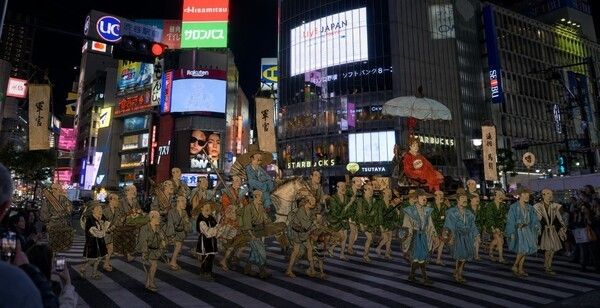
Each mission departed from Hanyang and traveled nearly 4,500 kilometers on a round trip to Edo, with the journey often lasting close to ten months. The arrival of the Korean delegation became one of the largest public events of its time, drawing crowds wherever it stopped.
The chief priest of Sogakuji Temple in Nagoya compares the excitement to "the Olympics or BTS coming to town," reflecting the extraordinary anticipation that surrounded the visitors. Their calligraphy was treasured as more than artwork, with many believing it could bring good fortune, protect households or bless families with children.
Scholarship That Crossed the Sea
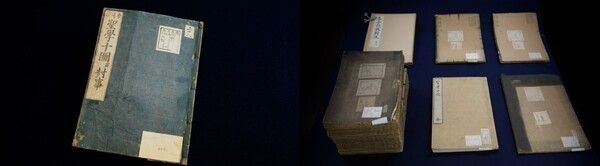
The documentary also traces the intellectual legacy of the missions. Neo-Confucian scholarship introduced from Joseon spread widely among Japan's scholars, monks and samurai, helping shape academic life during the Edo period.
Works by the Korean philosopher Yi Hwang remain preserved in Tokyo's Jimbocho book district, archival collections in Nagoya and Japan's National Archives. Joseon scholar Shin Yuhan wrote that Yi Hwang's writings were among the most respected texts in Japan, highlighting the influence Korean learning held across the country.
When Exchange Failed to Become Understanding
Despite the admiration, each country continued to interpret the other through its own worldview.
By the time the envoys arrived, Edo had grown into one of the world's largest cities, with a population exceeding London and Paris. Yet many Joseon officials viewed its prosperity as extravagance through a Confucian lens. Japanese observers, meanwhile, often regarded Joseon as a tributary of Qing China. Even at the height of diplomatic exchange, deeply rooted assumptions continued to shape how the two societies saw one another.
Why the Journey Still Matters
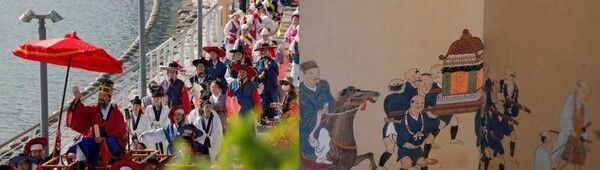
By following historical sites, documents and artifacts preserved across Japan, the documentary looks beyond official diplomacy to examine the broader legacy of the Joseon Tongsinsa. It argues that the missions transformed intellectual and cultural life on both sides of the sea while revealing the limits of diplomacy when mutual understanding remains incomplete.
Four centuries later, the questions raised by the Joseon Tongsinsa remain strikingly relevant. How much can cultural exchange accomplish when nations continue to interpret one another through different historical and political perspectives?
Episode 28, titled What Failed to Connect? The Joseon Tongsinsa, premieres July 5 at 9:30 p.m. KST on KBS1.
Reported by News Culture M.J._mj94070777@nc.press
Copyright ⓒ 뉴스컬처 무단 전재 및 재배포 금지


