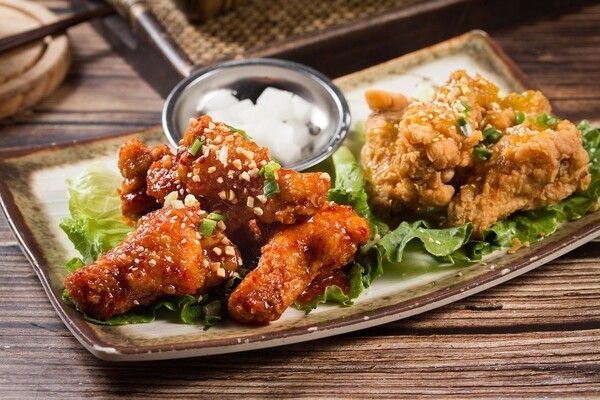
South Korea is turning its regional chicken dishes into a nationwide tourism network with the launch of the K-Chicken Belt, a new culinary travel platform designed to connect food, culture and local destinations. Rather than promoting individual attractions, the initiative encourages travelers to build their itineraries around regional cuisine, reflecting the country's broader effort to position food as a driver of domestic and inbound tourism.
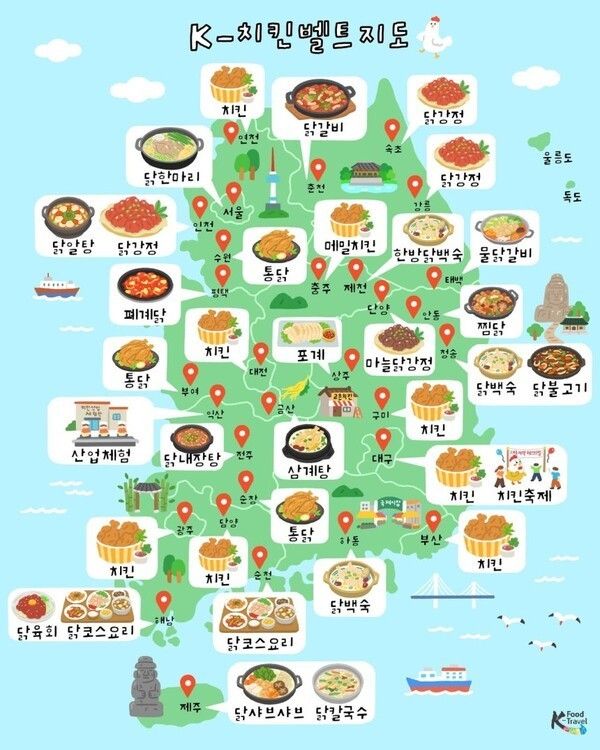
Introduced by the Ministry of Agriculture, Food and Rural Affairs as the first phase of its K-Gastronomy Journey project, the platform features 30 chicken destinations across the country. Each location highlights a signature local specialty while connecting visitors to nearby cultural attractions, traditional markets, festivals and rural tourism sites.
Regional dishes form the backbone of the network. Featured destinations include Taebaek's muldakgalbi in Gangwon Province, Haenam's multi-course chicken cuisine in South Jeolla Province and Daegu's famous Chicken Gizzard Alley at Pyeonghwa Market. Each stop emphasizes local culinary identity, turning regional specialties into destinations in their own right.
Presented as an interactive digital map, the platform allows travelers to plan one-day or multi-day itineraries centered on a single meal. By combining restaurants with surrounding tourism resources, it encourages visitors to spend more time exploring local communities rather than limiting their trips to individual dining experiences.
The initiative also reflects a broader change in tourism planning. Traditional travel guides typically begin with landmarks and sightseeing destinations, whereas the K-Chicken Belt starts with food and builds travel routes outward. The approach recognizes the growing importance of experience-based tourism, where culinary culture increasingly shapes how travelers choose and experience destinations.
Participation is another core element of the platform. Users are encouraged to upload reviews, document their visits and share personalized travel routes. As more travelers contribute their experiences, the platform is designed to evolve continuously, creating an expanding database of locally informed recommendations rather than remaining a static tourism guide.
The platform also incorporates recommendations from local residents, allowing visitors to discover neighborhoods through the perspective of the communities themselves. Rather than highlighting destinations curated exclusively for tourists, it introduces places that remain closely connected to everyday local life, naturally bringing traditional markets and small business districts into the travel experience.
Chicken was selected not only for its popularity but also for its accessibility. As one of Korea's most familiar and affordable foods, it lowers the barrier to culinary tourism while providing a versatile foundation for showcasing regional identities. From dakgangjeong (sweet crispy fried chicken) and jjimdak (braised chicken) to dakgalbi (spicy stir-fried chicken) and grilled chicken gizzards, each region has developed distinctive cooking styles that reflect its own culinary traditions. The diversity within a single ingredient offers travelers compelling reasons to explore multiple destinations.
The ministry also expects the initiative to generate broader economic benefits by directing visitor spending beyond major tourist attractions. As travel routes expand into neighborhood markets and local commercial districts, small businesses and independent merchants are expected to benefit from increased tourism activity.
Officials plan to continue expanding the platform through user participation, regularly adding new destinations and strengthening its content. Rather than functioning as a one-time campaign, the K-Chicken Belt is intended to serve as an evolving digital tourism platform that grows alongside traveler engagement.
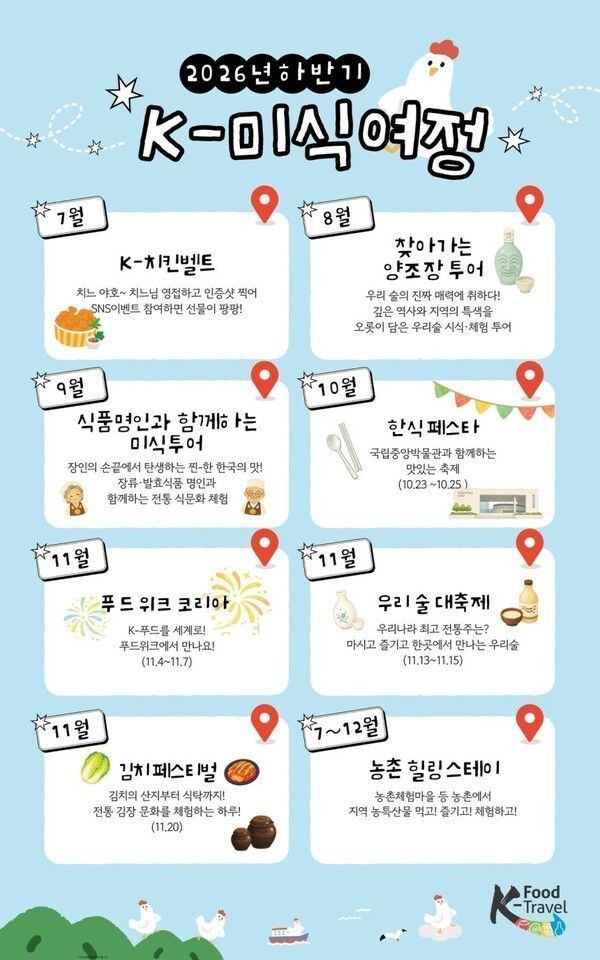
The K-Chicken Belt will also anchor a series of culinary tourism programs scheduled for the second half of the year.
Beginning in July, visitors will be invited to participate in a nationwide campaign by verifying their visits to K-Chicken Belt destinations and sharing recommended travel itineraries. The initiative encourages travelers to contribute content while helping expand the platform's collection of regional travel information.
In August, the ministry will launch tours of Korea's traditional breweries, pairing regional cuisine with locally produced traditional liquors. The program is designed to introduce visitors to local food culture through integrated culinary experiences that combine dining, beverages and regional heritage.
September will feature culinary tours led by officially designated Korean Food Masters, offering participants opportunities to learn directly from artisans who preserve traditional cooking techniques and regional food culture.
The seasonal program will continue into autumn with large-scale culinary events centered on Korean cuisine. Visitors will be able to experience chef-led demonstrations, tasting sessions and cultural programs at the Korean Food Festa, which will be held at the National Museum of Korea.
Food Week Korea, the Korea Traditional Liquor Festival and the Kimchi Festival will continue through November, providing additional opportunities for travelers to explore Korea through seasonal food experiences while encouraging repeat visits to different regions.
The ministry is also expanding its Rural Healing Stay program, which combines overnight stays in farming communities with local food experiences and agricultural activities. By encouraging longer stays in rural areas, the program aims to deepen visitors' understanding of local culture while generating sustained economic benefits for regional communities.
The strategy reflects growing international demand for culinary tourism. Government surveys have consistently identified food experiences as one of the strongest motivations for foreign visitors traveling to South Korea. By combining globally familiar dishes with distinct regional traditions, the K-Chicken Belt seeks to transform Korean cuisine into a gateway for discovering the country's diverse local cultures.
More broadly, the initiative illustrates how South Korea is repositioning food as a strategic tourism asset rather than simply a cultural attraction. By connecting regional cuisine with local destinations and encouraging visitor participation, the K-Chicken Belt aims to promote longer stays, wider regional spending and a more sustainable model for culinary tourism.
Reported by News Culture M.J._mj94070777@nc.press
Copyright ⓒ 뉴스컬처 무단 전재 및 재배포 금지


