When discussing the global success of Korean culture, one figure is cited repeatedly: content exports.
Exports of dramas, music, games and publishing products have long served as key indicators of the growth of South Korea's cultural industries. Yet as Hallyu continues to evolve, a new question is emerging. Do existing export statistics still reflect the true economic impact of Korean culture?
Increasingly, the answer appears to be no.
Today's Hallyu economy extends far beyond content consumption. International viewers who discover Korean dramas often become visitors to Korea. K-pop fans purchase official light sticks, photo cards and merchandise. Interest in Korean culture frequently expands into character products, traditional crafts, food experiences and cultural tourism.
While the influence of Korean culture has broadened dramatically, the statistical systems used to measure that impact remain rooted in older industrial classifications. As a result, a significant share of Hallyu-driven economic activity is scattered across multiple categories and often goes unrecognized as part of the cultural industry's overall performance.
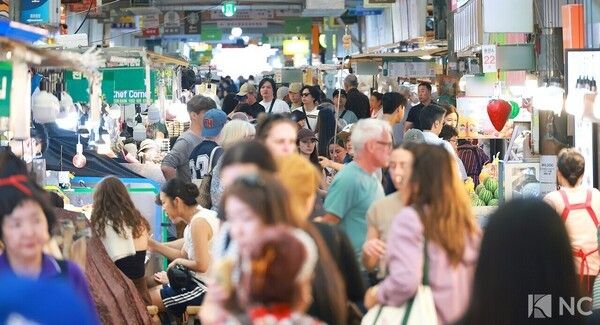
The issue has recently gained attention as the Korea Culture & Tourism Institute explores new approaches to developing cultural and creative industry export statistics.
Researchers have argued for the creation of a broader export classification framework that encompasses both content and arts-related industries. The proposal reflects a growing recognition that measuring only direct content exports no longer captures the full value generated by cultural industries.
Instead of focusing exclusively on the export performance of content itself, the revised framework seeks to account for the wider ecosystem of products, services and consumer spending that cultural content creates.
The proposed categories include publishing and comics, gaming, music, film, animation, broadcasting, knowledge information services, advertising and character businesses.
Particularly notable is the treatment of character-related products. Dolls, figurines and toys would be recognized as cultural exports, acknowledging that intellectual property has become an independent export sector rather than merely an extension of content production.
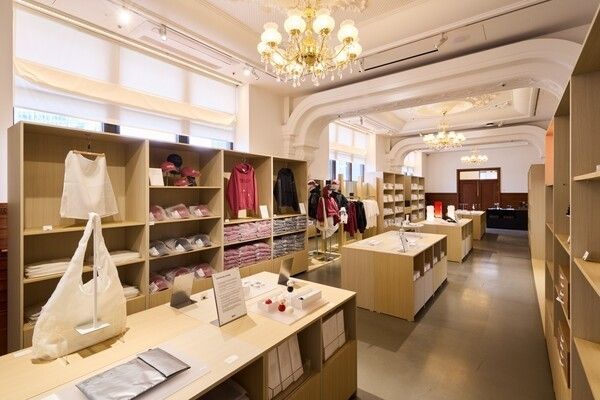
The transformation of the K-pop industry offers one of the clearest examples of why statistical reform is needed.
Global fan spending now extends well beyond albums and streaming. Official merchandise, collectible products, light sticks and concert-related purchases have become major contributors to the industry's economic footprint.
Yet much of that activity is currently recorded under separate industrial categories, making it difficult to assess the full economic value generated by K-pop in a single dataset.

A similar trend can be seen in traditional crafts.
As international interest in Korean heritage continues to grow, demand for lacquerware, ceramics, jewelry and traditional furniture has expanded steadily across overseas markets.
The proposed classification system would incorporate a broad range of craft exports, including lacquerware products, ceramics, glass crafts, precious-metal accessories and traditional furniture. The move reflects a shift toward viewing crafts not only as heritage items but also as commercially significant cultural exports.
The performing arts sector presents another example.
Live entertainment generates economic activity far beyond ticket sales. Musical instruments, audio systems, stage technology and production equipment all contribute to the broader ecosystem surrounding performances.
The proposed framework therefore includes products such as pianos, violins, guitars and saxophones, as well as projectors, sound amplification systems and wireless microphones.
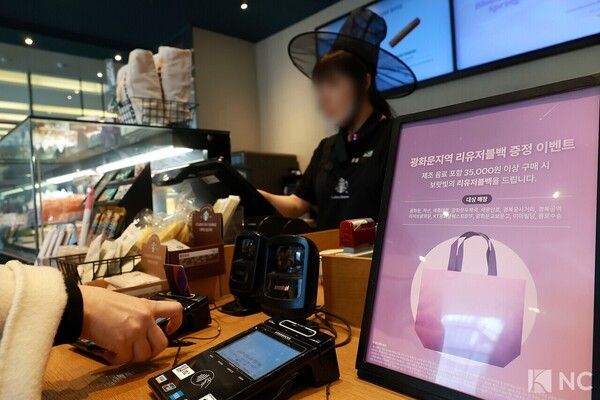
What distinguishes cultural industries from many traditional sectors is their ability to generate spillover effects across multiple markets.
A single television series can boost tourism. A successful character can drive merchandise sales. Popular artists can stimulate demand for events, consumer products and regional festivals. Cultural content increasingly functions as the starting point for a much larger commercial ecosystem.
The challenge is that existing statistical systems often struggle to capture those connections.
Without accurate measurement tools, policymakers face limitations when evaluating industry performance and designing support programs. As public investment in cultural industries grows, reliable data is becoming increasingly important for identifying emerging sectors and allocating resources effectively.
That is why institutions including the Ministry of Culture, Sports and Tourism, Bank of Korea, Korea Creative Content Agency, Korea Foundation for International Cultural Exchange and Korean Film Council have joined ongoing discussions aimed at improving cultural export statistics.
South Korea's cultural industries have already secured a powerful position in global markets.
The next challenge is no longer proving that growth exists. It is ensuring that growth can be measured accurately.
Hallyu today represents far more than music and television. It is a vast consumer ecosystem built around cultural intellectual property, tourism, merchandise, crafts and experiences.
The debate over cultural export statistics is therefore about more than administrative methodology. It is an effort to properly document the scale, value and economic influence of one of South Korea's most significant global industries.
Reported by News Culture M.J._mj94070777@nc.press
Copyright ⓒ 뉴스컬처 무단 전재 및 재배포 금지


