As temperatures rise across Korea, the nation’s national parks are inviting travelers to swap city streets for mountain valleys, coastal waters and island landscapes through a new slate of summer ecotourism programs.
The Korea National Park Service has launched a series of themed ecotourism experiences that combine natural attractions with local culture and community-based tourism. The initiative is organized around four categories—ecology, history and culture, scenery and family travel—offering visitors a deeper look at some of Korea’s most distinctive protected landscapes.
Participating parks showcase a wide range of geographic features. Juwangsan National Park is known for its dramatic cliffs and forested valleys, while Dadohaehaesang National Park encompasses an expansive archipelago of islands scattered across Korea’s southern waters. Hallyeohaesang National Park is recognized for its scenic coastline and maritime views, and Seoraksan National Park remains one of the country’s most celebrated mountain destinations, renowned for its granite peaks and rugged terrain.
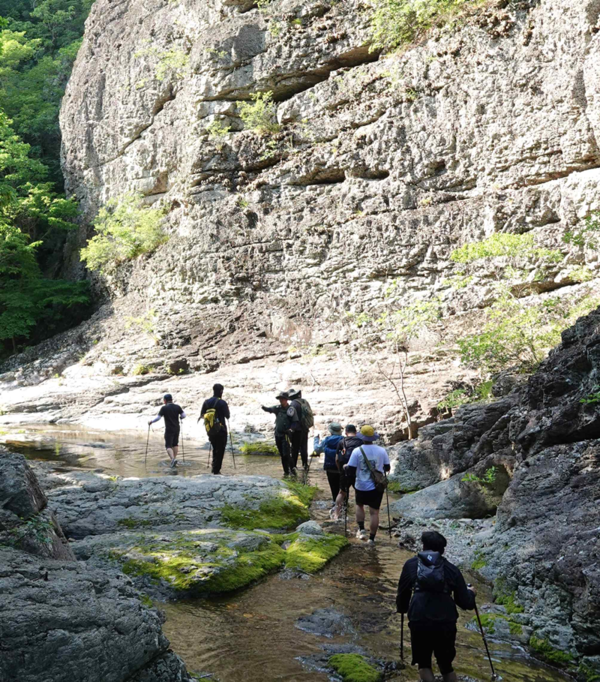
One of the season’s signature offerings is Juwangsan National Park’s “Jeolgol Valley Splash Trek,” available during July and August. The program allows visitors to walk directly through a mountain stream while observing freshwater ecosystems firsthand—an experience the National Park Service describes as a first for its organized visitor programs. Beginning in September, the experience will expand to include autumn foliage walks and regional activities such as apple harvesting.
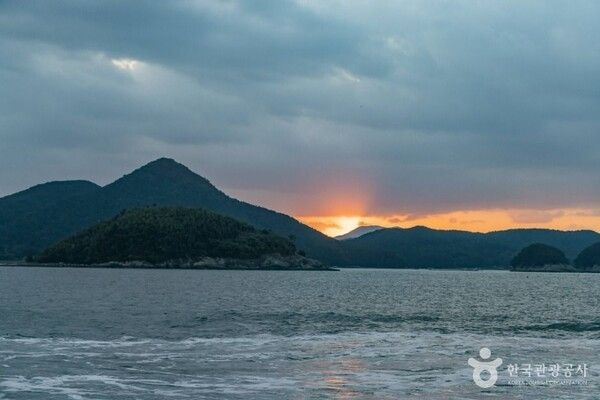
On the southern coast, Hallyeohaesang National Park’s “Hallyeo Seasonal Journey” takes participants to islands including Bijindo, Manjido and Yeondaedo. The itinerary combines island exploration with local culinary experiences, featuring regional specialties such as mulhoe and eel soup, alongside opportunities to engage with local culture.
A distinguishing element of the program is the involvement of trained local guides, who accompany visitors throughout the journey. Their knowledge of regional history, community traditions and lesser-known landmarks offers travelers a more immersive understanding of each destination.
The Korea National Park Service also expects the initiative to generate direct economic benefits for local communities by linking tourism spending with resident-led services and experiences.
Reported by News Culture M.J._mj94070777@nc.press
Copyright ⓒ 뉴스컬처 무단 전재 및 재배포 금지


