From Na Un-gyu's landmark 1926 film Arirang to the chants that filled the streets during the 2002 FIFA World Cup, a new exhibition at the National Gugak Center explores the many ways Korea's most iconic folk song has shaped the nation's history and identity.
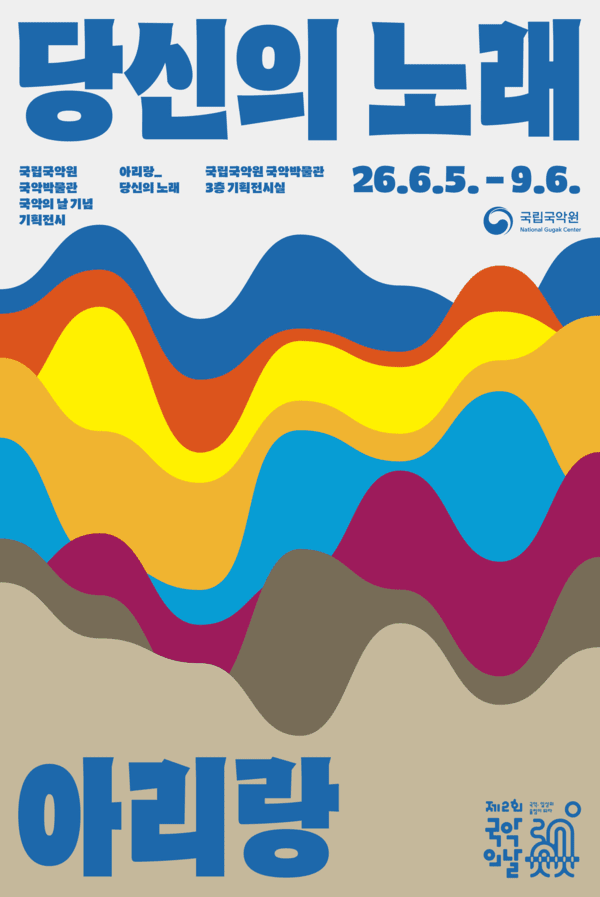
Presented in celebration of Korea's National Gugak Day, Your Song, Arirang runs through Sept. 6 at the Special Exhibition Hall on the third floor of the Gugak Museum. Through historical artifacts, recordings, and archival materials, the exhibition traces how Arirang evolved from a folk melody passed down by word of mouth into a powerful symbol of Korean history, solidarity, and cultural identity.
Widely regarded as Korea's representative folk song, Arirang was not created by a single composer but emerged through oral tradition. Over generations, numerous regional variations developed, expressing themes of labor, love, separation, hardship, and hope. During the late Joseon period and the Japanese colonial era, the song came to embody the emotions and resilience of the Korean people, serving as a source of comfort and unity during times of crisis.
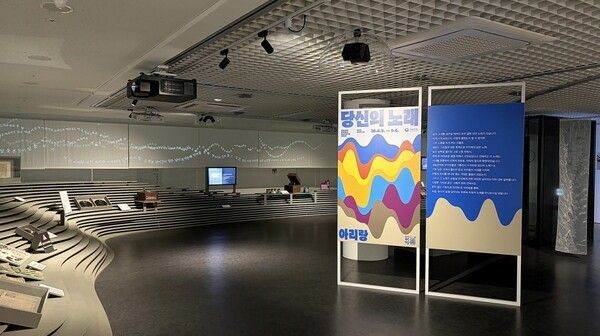
The exhibition is organized into three thematic sections highlighting Arirang's enduring significance as a song of consolation, solidarity, and identity.
The first section, "Arirang of Consolation," features materials related to filmmaker Na Un-gyu's landmark 1926 film Arirang, versions of the song used by Korean independence fighters, and early gramophone recordings that preserve regional interpretations from across the Korean Peninsula.
The second section, "Our Arirang," revisits pivotal moments when the song became a shared national symbol, including its use as the anthem of the unified Korean team at the 1991 World Table Tennis Championships and its role as a rallying song during the 2002 FIFA World Cup.
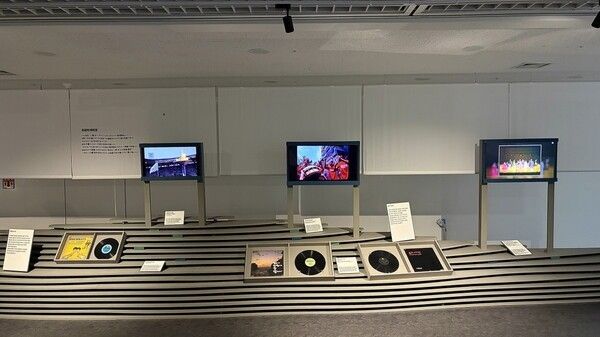
The final section, "My Arirang," explores how Korean diaspora communities have preserved cultural identity through the song while examining Arirang's continued presence on global stages today.
The exhibition also includes an interactive experience titled "Your Arirang." By scanning QR codes located throughout the gallery, visitors can enter personal thoughts and emotions that are transformed by artificial intelligence into customized Arirang lyrics, allowing them to create and perform their own version of the iconic folk song.
In July, the museum will host a lecture series titled Beyond the Song: Arirang every Wednesday at 6:30 p.m. as part of Korea's Culture Day program. Scholars and experts will discuss the historical, cultural, and academic significance of Arirang and its lasting place in Korean society.
Reported by News Culture M.J._mj94070777@nc.press
Copyright ⓒ 뉴스컬처 무단 전재 및 재배포 금지


