Across South Korea, rivers, valleys and reservoirs have long shaped the way communities eat. This week's episode of Korean Cuisine and Dining turns its focus to the people who continue to preserve those traditions, showcasing the ingredients, recipes and local knowledge that define the country's early summer cuisine.
Airing June 14, Episode 758, titled "At Summer's Threshold, Following the Waterways," travels from the Seomjin River in South Jeolla Province to the mountain valleys of North Gyeongsang Province and the agricultural communities surrounding Junam Reservoir in South Gyeongsang Province.
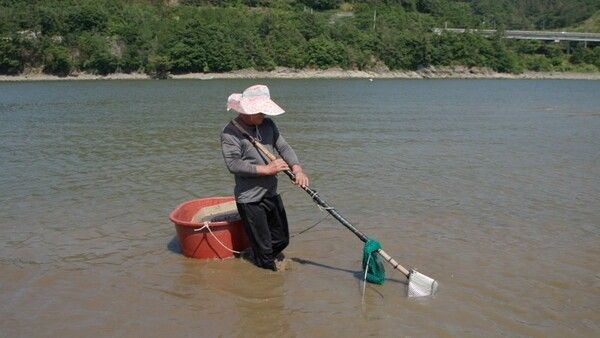
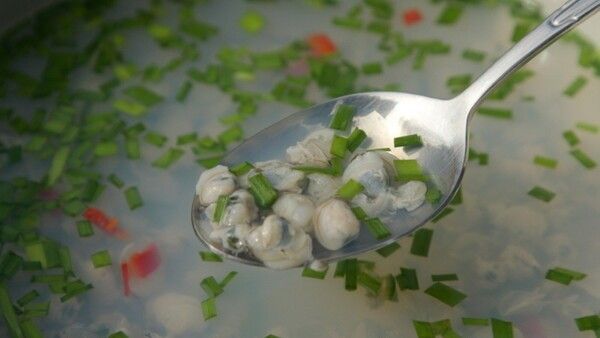
The journey begins in Gwangyang, where freshwater clams remain one of the Seomjin River's most celebrated seasonal delicacies. For veteran harvester Lee Gwang-woo, the river has provided both a livelihood and a way of life. Each summer, local residents gather clams using methods passed down through generations, producing dishes that have become closely associated with the region's culinary identity.
The program highlights how these prized shellfish are transformed into comforting soups, savory pancakes and refreshing seasonal dishes, while also introducing the family traditions that accompany them. Together with homemade side dishes prepared by his wife, the meal reflects the deep connection between local ingredients and everyday life.
In the mountain community of Yeongyang, viewers meet another family whose lifestyle remains closely tied to the natural environment. After relocating from the city more than a decade ago, Kwon Han-dong and his wife embraced a self-sufficient life surrounded by forests and streams.
Their seasonal table is built around ingredients gathered from nearby valleys, including freshwater fish and river snails that have long been valued in local cooking. Through recipes developed over generations, the couple demonstrates how regional food traditions continue to thrive far from urban centers.
The episode also explores the role food plays in preserving memories, community ties and a sense of place, particularly in rural areas where seasonal rhythms still shape daily life.
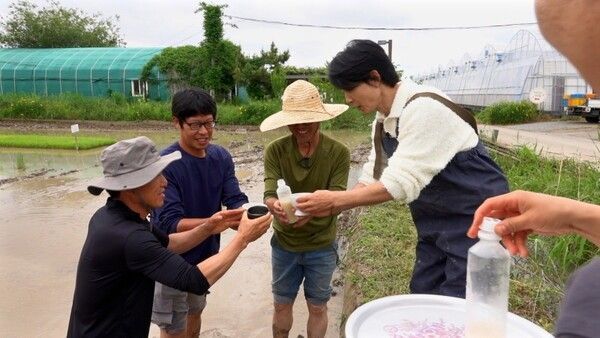
The final chapter travels to the wetlands surrounding Junam Reservoir, where farmers are working to protect indigenous rice varieties that have gradually disappeared from commercial agriculture. For rice grower Woo Bong-hui, preserving traditional grains is about more than farming—it is an effort to safeguard flavors and cultural practices that risk being lost.
His family's table showcases a range of regional dishes, including fermented specialties and recipes passed down through generations. Together, they offer a glimpse into a food culture rooted in patience, local knowledge and a deep respect for the land.
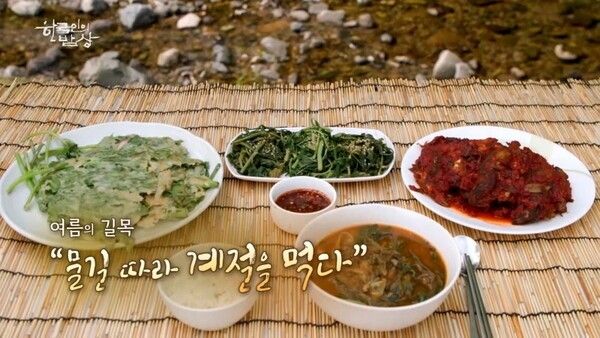
Rather than focusing solely on recipes, Korean Cuisine and Dining uses food as a lens through which to examine the communities that sustain Korea's culinary heritage. From river harvesters and mountain homesteaders to farmers protecting heirloom crops, the episode presents a portrait of early summer shaped by both nature and tradition.
As waterways continue to nourish fields, villages and families across the country, the people featured in the program remind viewers that food is not only about taste—it is also a record of history, identity and place.
Reported by News Culture M.J._mj94070777@nc.press
Copyright ⓒ 뉴스컬처 무단 전재 및 재배포 금지


