Coastal tidal flats serve as vital ecosystems where land and sea meet, providing habitat for marine microorganisms, shellfish, and endangered bird species. Large-scale tidal flat systems that remain ecologically intact are increasingly rare worldwide. As coastal wetlands continue to disappear due to development and pollution, protecting these unique environments has become an important part of preserving global biodiversity.
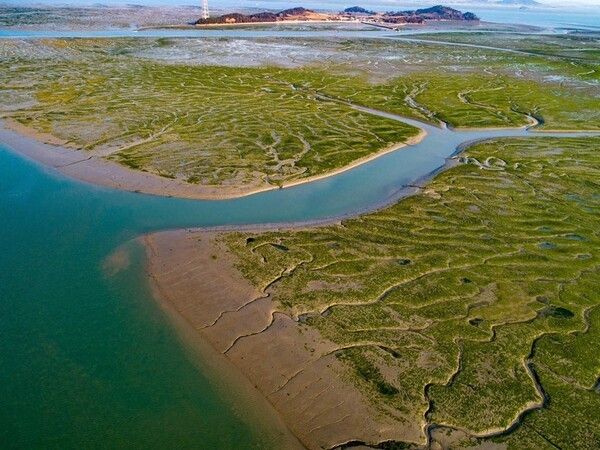
The Korea Heritage Service and the Ministry of Oceans and Fisheries announced on June 5 that the International Union for Conservation of Nature (IUCN), the advisory body for natural heritage evaluations under the UNESCO World Heritage Committee, has recommended the inscription of "Getbol, Korean Tidal Flats (Phase II)" as an extension of the existing World Heritage property.
The recommendation follows the initial inscription of four tidal flat areas in 2021, including Seocheon, Gochang, Shinan, and Boseong-Suncheon. At the time, UNESCO encouraged Korea to pursue a second-phase expansion to further strengthen the property's Outstanding Universal Value. In response, the government submitted a modification proposal that would expand the existing heritage site, resulting in the latest recommendation.
According to the IUCN evaluation, the proposed expansion meets World Heritage criteria due to its exceptional value for biodiversity conservation and the protection of endangered species. The tidal flats along Korea's southwestern coast serve as critical stopover sites on the East Asian-Australasian Flyway, where migratory birds traveling between Siberia and Australia rest and replenish energy during their long journeys. Any significant degradation of these habitats could pose risks to migratory bird populations on an international scale.
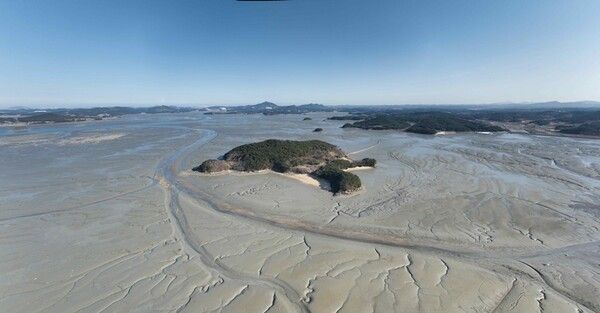
While tidal flats may be a familiar landscape to Koreans, extensive mudflat systems such as those found along the southwestern coast of the Korean Peninsula are considered exceptionally rare from a global perspective. If the UNESCO-listed property "Jeju Volcanic Island and Lava Tubes" represents geological value created by volcanic activity, "Getbol, Korean Tidal Flats" demonstrates the dynamic processes of a living ecosystem. These tidal flats function as natural filtration systems that remove pollutants flowing from land, buffer coastal areas against storms, and absorb carbon, providing significant environmental benefits.
If the expansion is formally approved, "Getbol, Korean Tidal Flats" will be reorganized as a serial World Heritage property consisting of six component sites.
Alongside its recommendation, the IUCN advised Korea to maintain sustainable traditional fishing and resource-harvesting practices and to strengthen international cooperation with neighboring countries to protect migratory bird routes.
The final decision on the inscription of "Getbol, Korean Tidal Flats (Phase II)" will be made during the 48th session of the UNESCO World Heritage Committee, scheduled to take place in Busan this July. The Korean Tidal Flat World Heritage Promotion Team stated that it will implement the advisory body's recommendations and work toward securing final inscription at the upcoming committee meeting.
Reported by News Culture M.J._mj94070777@nc.press
Copyright ⓒ 뉴스컬처 무단 전재 및 재배포 금지


