Gyeongju National Museum continues to expand its "Silla Cultural Heritage Series," a collection of guidebooks designed to offer deeper insight into the kingdom's most important artifacts. Written by museum curators and outside scholars, the series translates academic research into accessible narratives for general readers.
According to the museum on June 1, the latest installment comprises Volumes 6 through 10, adding five new books to the collection. Following the publication of the first five volumes, the new titles further examine the technological achievements and historical significance of Silla's cultural heritage through detailed analysis and photography.
The featured artifacts represent some of the finest achievements of Silla civilization. Volume 6, The Divine Bell of King Seongdeok, investigates the structure, casting techniques, and enduring mysteries behind the bell's resonant sound. Cast in the eighth century, the massive bell embodies the pinnacle of Silla bronze-casting technology. Its intricately carved celestial figures and inscriptions reveal both the aspirations of the royal court and the kingdom's artistic sophistication. More than 1,300 years later, it remains remarkably well preserved.
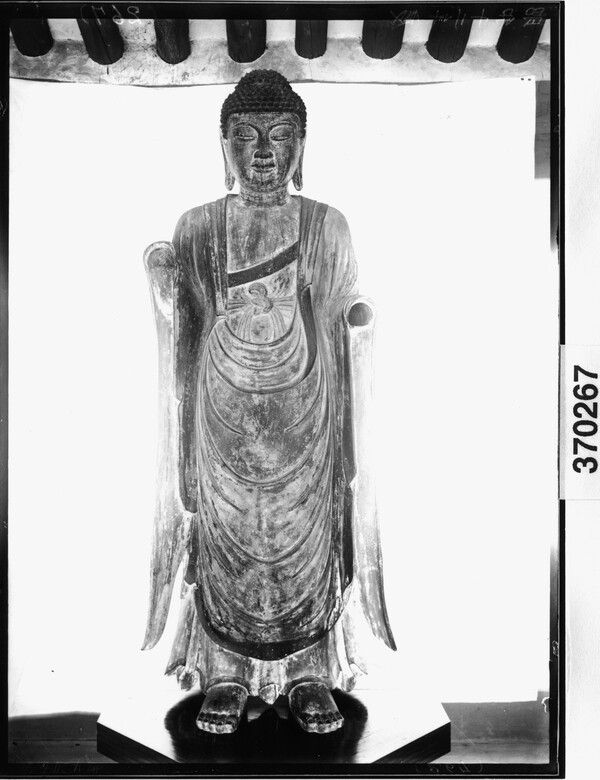
Volume 7, Standing Gilt-Bronze Medicine Buddha from Baengnyulsa Temple, highlights the production techniques behind one of Unified Silla's largest gilt-bronze Buddhist statues and examines the significance of Medicine Buddha worship during the period. Standing nearly 180 centimeters tall, the sculpture reflects the importance of faith in healing and salvation within Silla society.
Volume 8, The Reliquary Assemblage of Gameunsa Temple, explores the artistry of the sacred reliquary objects created to embody King Munmu's wish to protect the kingdom. Unearthed from the Gameunsa Temple site, the collection represents the height of Silla metalcraft. Its lavish gold decoration and sophisticated workmanship demonstrate a level of technical mastery supported by the full resources of the state.
Volume 9, The Stone Maitreya Triad of Jangchanggok, examines the discovery and stylistic characteristics of the sculpture affectionately known as the "Baby Buddha." Preserved in the condition in which it was discovered in 1924, the work's approachable facial expressions reveal how Silla sculptors sought to give sacred figures a distinctly human presence.
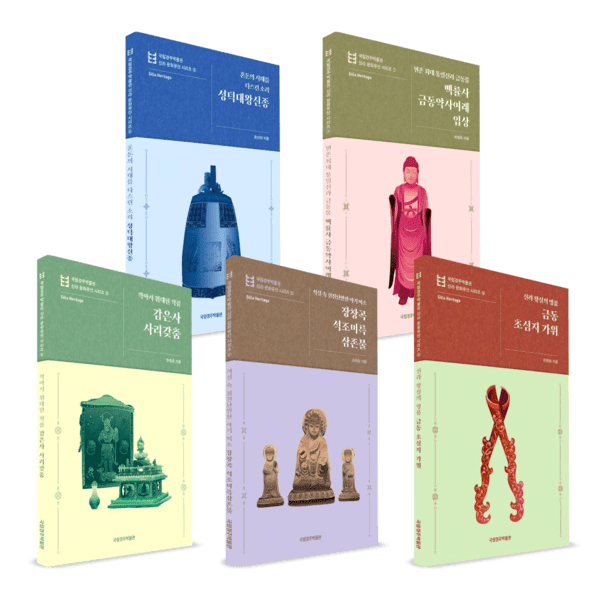
Volume 10, Gilt-Bronze Wick Trimming Scissors, focuses on an everyday object that offers a rare glimpse into royal life. Discovered at Wolji Pond in Gyeongju, the scissors were used to trim and maintain lamp wicks. The artifact sheds light on lighting technology and the daily routines of the Silla royal court.
Each volume draws upon years of field research and accumulated scholarly data, offering readers a comprehensive account of each artifact, from its discovery to its academic interpretation.
By connecting objects with the historical periods that produced them, the series helps readers better understand not only how these treasures were made, but also why they mattered. Through bells, Buddhist statues, reliquaries, stone sculptures, and even a pair of scissors, the books reveal the technological ingenuity, religious beliefs, and everyday experiences that shaped the world of Silla.
Reported by News Culture M.J._mj94070777@nc.press
Copyright ⓒ 뉴스컬처 무단 전재 및 재배포 금지


