The cultural and artistic works surrounding the Sewol Ferry Disaster have long centered on documentation and testimony. Documentaries seeking the truth behind the tragedy, theater productions and exhibitions observing the lives of bereaved families, and civic movements dedicated to preserving collective memory have gradually established the disaster as one of the defining narratives of remembrance in contemporary Korean society. When We Bloom Again occupies a distinctive place within that landscape. Though it adopts the form of narrative cinema rather than documentary, the film refuses sensationalized reconstruction, choosing instead to quietly observe the emotional reality of those who remain.
Directed by Shin Kyung-soo, When We Bloom Again was produced as the final installment of the Sewol Ferry 10th Anniversary film project Spring Comes Again. Conceived by the collective Yeonbunhongchima and the 4.16 Sewol Ferry Disaster Family Council, the film turns away from recreating the catastrophe itself and instead focuses on a family whose sense of time has remained frozen for a decade. In doing so, it challenges conventional disaster narratives. While many films in the genre emphasize fear, urgency, and spectacle, When We Bloom Again concentrates on silence, absence, and the fractures left behind in everyday life.
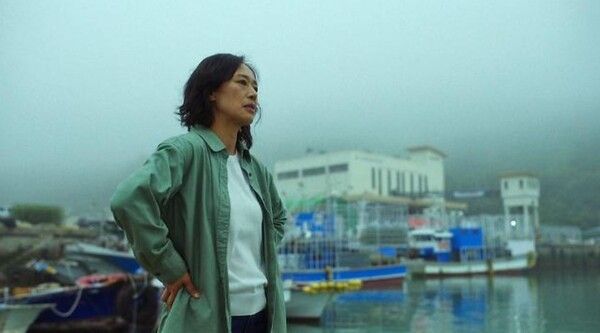
At the center of the story is a family mourning the loss of their daughter, Kyung-eun. Byung-ho, the father, gradually loses his memory. Soo-hyun, the mother, chooses emotional distance as a means of survival. Their eldest daughter, Chae-eun, quietly shoulders fears she can no longer share. Though bound by the same tragedy, each family member remembers and endures it differently. Rather than turning these differences into dramatic conflict, the film patiently follows the individual paths through which grief takes shape.
One of the film’s most significant social observations concerns the nature of memory itself. Public remembrance of the Sewol Ferry Disaster has often been condensed into rituals of mourning. When We Bloom Again suggests something more complicated. Some people revisit memories repeatedly to avoid forgetting. Others push parts of them away simply to keep living. Still others endure in silence. Memory, the film argues, is not a single emotional state but an ever-changing movement shaped by relationships, time, and survival.
Byung-ho serves as the film’s most potent symbol. His fading memory extends beyond personal illness, becoming an allegory for the fragility of collective memory. As years pass, tragedies become records, anniversaries, and political rhetoric. Familiarity risks eroding urgency. Byung-ho’s struggle to hold onto traces of his daughter reflects a broader question: what effort must a society make to continue remembering?
Soo-hyun offers a different perspective. Rather than confronting grief head-on, she attempts to contain it, sealing emotional wounds to endure another day. Popular culture often portrays mothers as unwavering symbols of sacrifice and resilience, but the film allows her vulnerability to remain visible. It neither condemns nor glorifies her. Instead, it quietly reveals the exhaustion and guilt carried by those who survive.
Chae-eun embodies the film’s most contemporary emotional reality. Her fear of losing her father as well suggests that loss is never a singular event. Disasters do not end on the day they occur. They continue reshaping lives in new forms. Through Chae-eun, the film captures the lingering emotional aftershocks experienced throughout Korean society: distrust in safety, fragile relationships, and the persistent awareness that ordinary life can collapse without warning.

The film’s title functions as its most resonant symbol. Cotton blooms emerge after flowers have fallen, often described as a second flowering. The image becomes a metaphor for life after death and meaning after devastation. Yet the film does not equate regeneration with healing or closure. Instead, it suggests a way of living alongside wounds, carrying absence without erasing it.
This symbolism also mirrors the broader debate surrounding collective remembrance. Social tragedies often become trapped between demands to “move on” and calls to “never forget.” When We Bloom Again refuses to choose either side. It proposes that memory continues to bloom in different forms within the lives of those still living. Like cotton flowers appearing after loss, new meanings emerge without canceling grief.
The performances favor restraint over emotional excess. Park Won-sang delivers a delicate portrayal of a man caught between collapse and numbness, expressing the fragmentation of memory with remarkable subtlety. Woo Mi-hwa conveys layers of suppressed emotion through silence and stillness. Familiar faces including Choi Deok-moon and Jo Hee-bong help establish a believable communal atmosphere. Rather than relying on explosive emotional scenes, the film communicates grief through pauses, expressions, and unspoken moments.
The directing style is similarly observational. The camera rarely explains emotions. Instead, it remains beside its characters, allowing viewers to inhabit their emotional duration. Long takes and carefully sustained silences encourage audiences not to consume sorrow but to move through it. This approach aligns closely with the emotional realism increasingly visible in contemporary Korean independent cinema, where lingering feelings matter more than dramatic incident.

Yet the film never sinks entirely into despair. It gradually captures moments in which relationships begin to shift. Family members struggle to understand one another, yet each recognizes that the others are the only survivors of the same catastrophe. The coexistence of fracture and tenderness becomes the film’s most human source of warmth.
The continued necessity of Sewol-related works emerges from this very point. Public attention inevitably drifts with time, but art retains the ability to reactivate forgotten emotions. Cinema, in particular, communicates forms of experience that statistics and historical records cannot. When We Bloom Again does not seek to explain the Sewol Ferry Disaster. Instead, it invites viewers to inhabit the emotional reality of living after it.
The film ultimately reopens questions about collective memory. Memory does not reside only in ceremonies or anniversaries. It survives in dining tables, silences, arguments, personal belongings, and absent names. By observing one family’s daily life, the film demonstrates how tragedy continues reshaping individual existence, revealing that social disasters remain ongoing experiences rather than completed events.
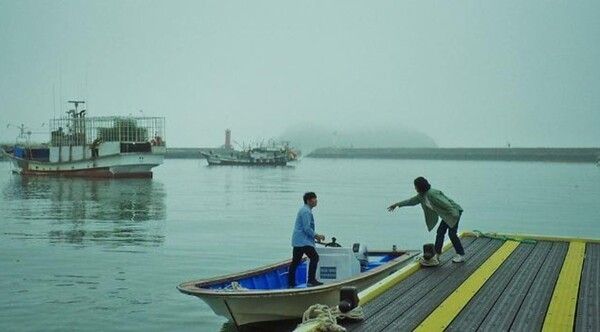
Within Korean independent cinema, the significance of When We Bloom Again extends beyond its subject matter. The film refuses to commodify disaster through suspense or spectacle while still seeking an emotional connection with broader audiences. The participation of the 4.16 Sewol Ferry Disaster Family Council throughout production further distinguishes the project, grounding it within a community of memory rather than an external act of representation.
Introduced as part of the 25th Jeonju International Film Festival, the film chooses to hold onto the weight of quiet time rather than dramatic events. In doing so, it reflects the contemporary reality of recurring disasters in Korean society. News headlines move quickly, but the lives left behind continue for years. When We Bloom Again refuses to look away from that extended duration.
Ultimately, When We Bloom Again is less a film about revisiting the Sewol Ferry Disaster than a film about observing life afterward. Memory is not a static act of mourning but a living process that continuously changes shape. Relationships damaged by loss may never fully recover, yet they can continue. Like cotton blooming after the flower has fallen, the film suggests that even after unimaginable tragedy, people continue reaching for one another and finding ways to endure.
Reported by News Culture M.J._mj94070777@nc.press
Copyright ⓒ 뉴스컬처 무단 전재 및 재배포 금지


