Popular songs often carry the emotions and social atmosphere of their time. Many beloved hits that defined a particular era have evolved into historical records, reflecting everything from political repression to the hopes and hardships experienced during periods of rapid economic growth.
Recognizing the documentary value of popular music, the Seoul Museum of History has introduced a new educational program that allows older citizens to revisit the history they lived through by using familiar melodies as a gateway to the past.
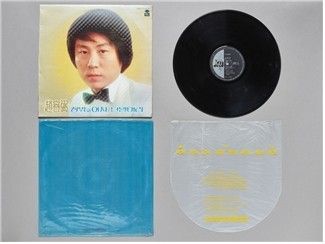
A new cultural program titled My Signature Song Becomes the Song of an Era! will begin on June 10. Created to expand the museum's educational offerings beyond children and family-centered activities, the program specifically targets senior citizens, a demographic with growing demand for lifelong learning opportunities. Sessions will continue through October in the museum's classrooms and permanent exhibition halls.
The curriculum traces the 100-year history of Korean popular music through four distinct seasonal segments, spanning from the Japanese colonial period to the decades following the 1990s.
Songs from each era reflect the dominant social conditions and ideologies of their time. Featured works include Yun Sim-deok's Hymn of Death, which embodies the nihilistic sentiment of the colonial period and the sensibilities of modern intellectuals; Han Myeong-suk's The Man in the Yellow Shirt, which illustrates the dynamism of postwar reconstruction and the influx of Western culture; and Cho Yong-pil's The Lady Outside the Window, which comforted audiences amid the dislocation brought by rapid industrialization.
Participants will explore the cultural shifts, censorship practices, and social contexts embedded within song lyrics through lectures by a popular culture critic.
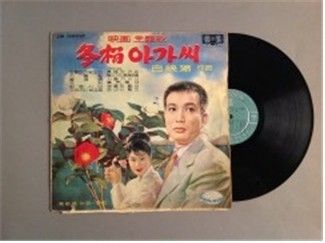
The program combines historical music appreciation sessions with hands-on activities. Participants will create glass art inspired by the emotions conveyed in classic songs and experiment with artificial intelligence technology to produce their own original popular music compositions.
Museum visits are also integrated into the curriculum, connecting lessons learned through music with artifacts and visual materials displayed in the museum's modern and contemporary history galleries. This allows participants to experience history through multiple perspectives and mediums.
For senior participants, the program offers more than an educational opportunity. It provides a chance to connect personal memories and youthful experiences with the broader narrative of modern Korean history. In doing so, they can witness how the lives they have lived become part of the nation's cultural history itself.
Reported by News Culture M.J._mj94070777@nc.press
Copyright ⓒ 뉴스컬처 무단 전재 및 재배포 금지


