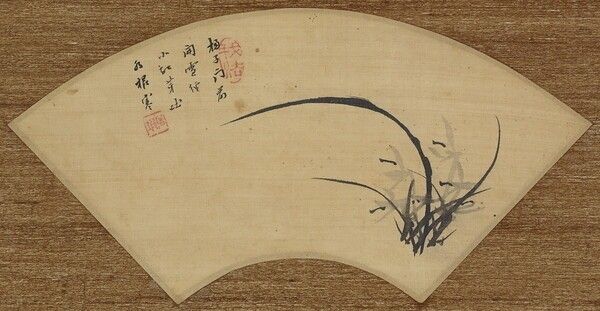
In traditional Korean ink painting, the Four Gracious Plants—plum blossom, orchid, chrysanthemum, and bamboo—symbolized integrity, cultivation, and scholarly virtue.
Even as Korea entered periods of political upheaval and encountered Western artistic theories, the spirit of brush-and-ink painting endured, evolving into new forms of modern Korean art rather than disappearing.
From June 6 to July 5, the Seoul Arts Center will present the special exhibition The Fragrance of Orchids Travels a Thousand Miles on the Wind at Gallery 3 of the Calligraphy Museum.
The exhibition features 21 carefully selected works from the institution's collection, tracing the flow from late Joseon literati painting to modern Korean painting in a single exhibition space.
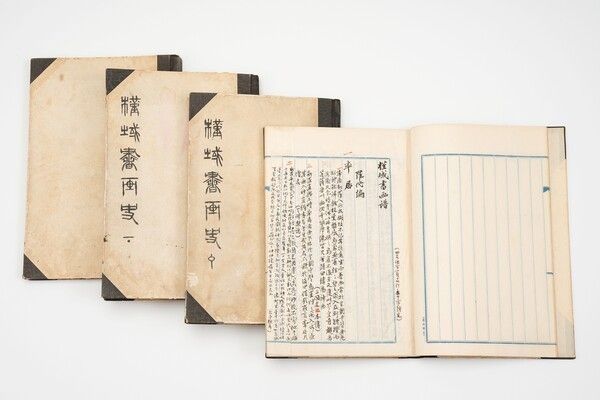
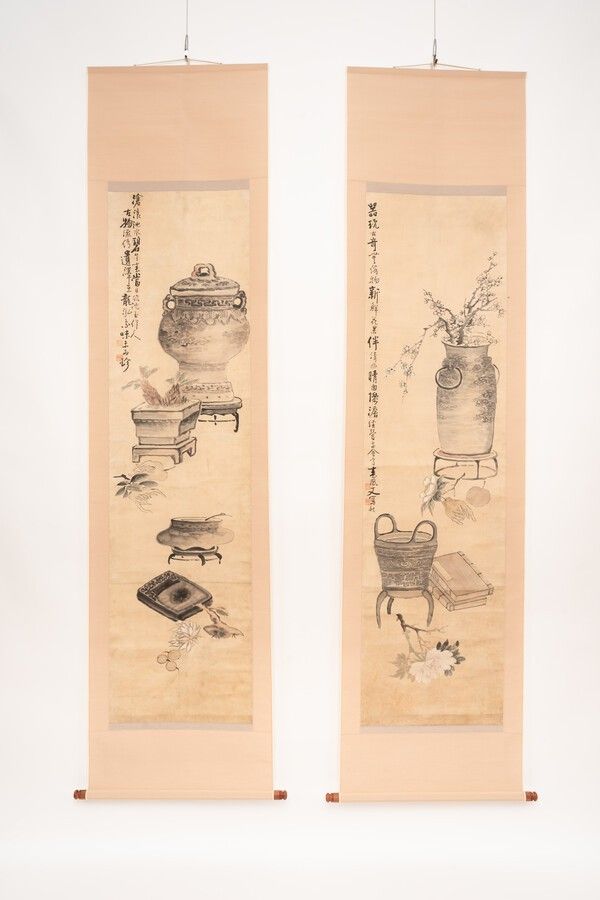
One of the exhibition's central themes is the changing visual language of orchid painting and the Four Gracious Plants within Korean art history.
The first section begins with Ink Orchid Fan Painting by Heungseon Daewongun, a major late Joseon political figure and artist who established a highly distinctive style of literati painting that later influenced generations of Korean artists.
Works such as Still Life and Seasonal Flowers Diptych by court painter Ahn Jung-sik reveal the refined essence of traditional brush-and-ink aesthetics.
Particular attention is given to Collaborative Painting: Seven Masters' Ink Plum Blossoms, created collectively by artists including Ahn Jung-sik and Jo Seok-jin during the Japanese colonial era.
The work reflects how traditional painting also functioned as a form of artistic solidarity during one of Korea's darkest historical periods.
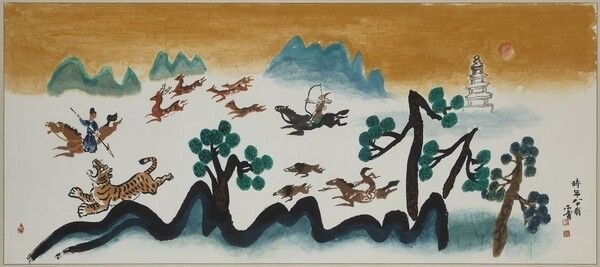
The exhibition's later sections move into the post-liberation era through artists such as Lee Ungno and Kim Ki-chang, demonstrating how Korean painting dismantled and reconstructed traditional brush techniques to achieve modern visual expression.
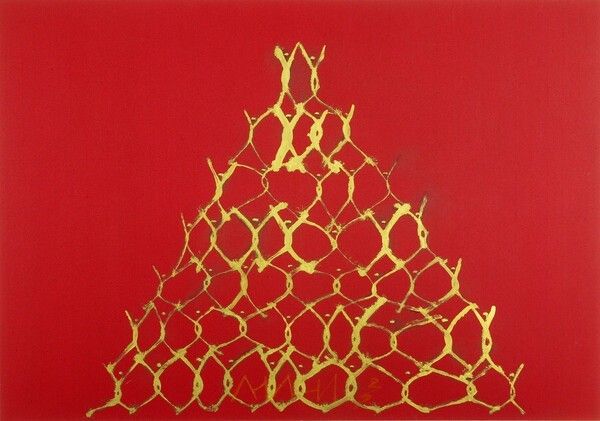
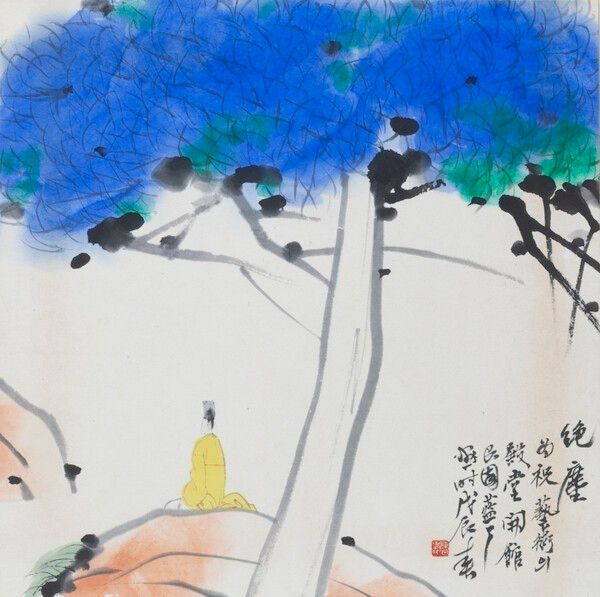
Visitors will also encounter works created to commemorate the opening of the Seoul Arts Center itself.
Among them are the original version of Group Dance by modern Korean art master Seo Se-ok and Jeoljin by Park No-soo, both of which demonstrate how traditional ink painting evolved into highly individual modern forms.
The exhibition additionally includes interactive programs allowing visitors to participate in collaborative painting experiences, while docent tours are offered twice daily.
Environmental considerations also shape the exhibition design. Reusable paper walls have been installed throughout the gallery space, emphasizing the coexistence of historical preservation and future-oriented values.
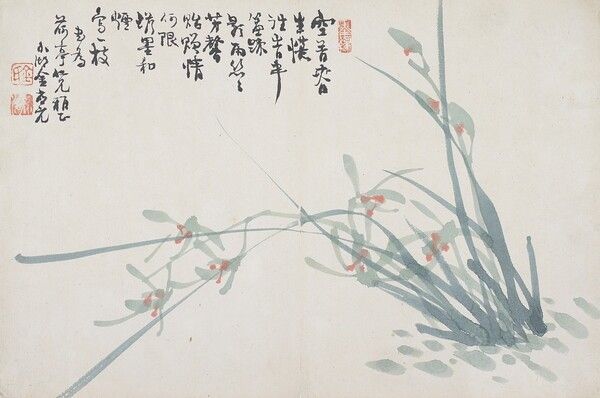
As visitors follow the spreading ink and flowing brush lines across the exhibition, they encounter artists who continued painting through periods of profound historical turmoil.
The exhibition ultimately asks how the spiritual discipline once pursued by Joseon scholars transformed into the expressive visual language of modern Korean art.

Reported by News Culture M.J._mj94070777@nc.press
Copyright ⓒ 뉴스컬처 무단 전재 및 재배포 금지


