Joseon white porcelain is often remembered for its soft curves and gentle silhouettes, from moon jars to smooth bowls. But in the 17th century, a different kind of beauty began to emerge. Potters started carving away rounded surfaces and shaping vessels with flat planes and sharp edges, giving birth to what became known as faceted white porcelain.
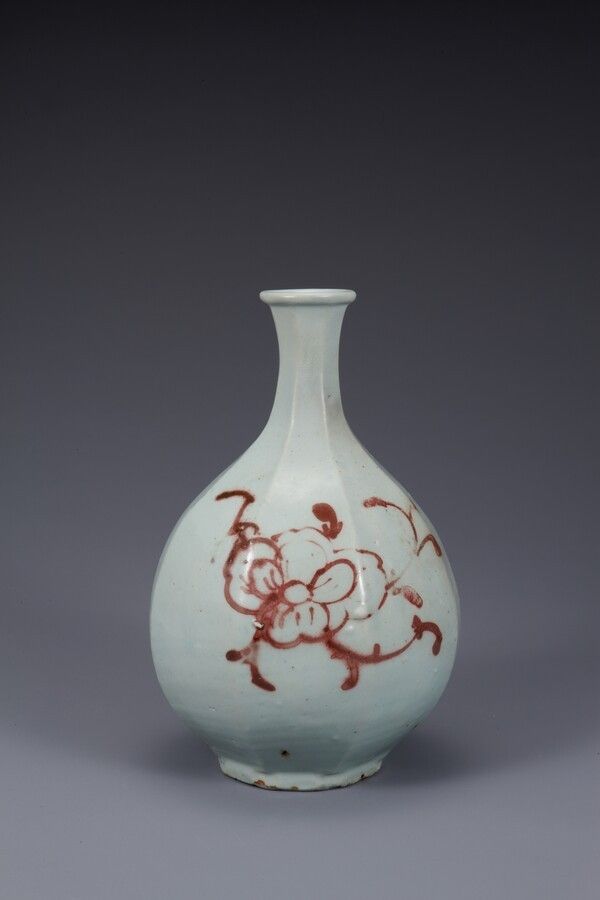
Instead of relying on elaborate decoration, these pieces drew attention through structure itself. The bold geometry of the vessels created a fresh visual tension, establishing a new aesthetic that would later become one of the defining styles of late Joseon ceramics in the 18th century.
The rise of faceted porcelain was closely tied to the atmosphere of the era. As Joseon rebuilt after war, restraint and simplicity became important social values under Neo-Confucian ideals. Rather than pursuing extravagant surface decoration, artisans explored new forms through balance, proportion, and structure. Faceted porcelain reflected the refined taste of scholars who sought sophistication without excess.
The technique behind these vessels required remarkable concentration and skill. Potters first shaped a round form on the wheel, then carefully trimmed the outer surface before the clay fully dried. Most pieces featured eight sides, though some were crafted with six or ten planes. Because each surface had to maintain an even thickness, even the slightest imbalance could cause cracks or distortion inside the kiln.
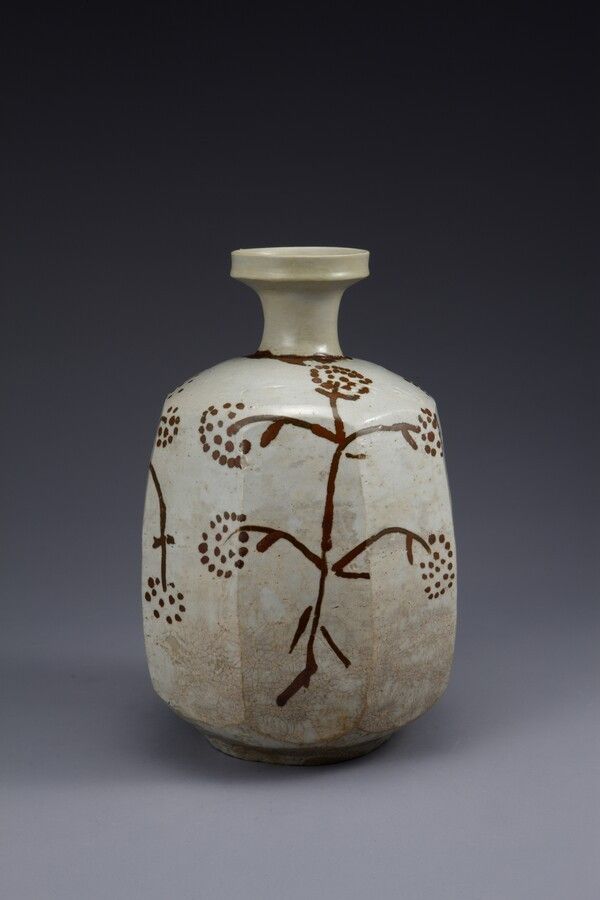
The appeal of faceted porcelain lies in the way light interacts with its sharply divided surfaces. As light touches the edges and planes, shifting contrasts of brightness and shadow give the vessel a strong sense of depth and presence. The flattened surfaces also became ideal spaces for painting. Copper-red peonies, bold iron-painted grasses and flowers, and delicate cobalt-blue orchid motifs spread across the divided planes with a cool, dynamic energy unique to faceted porcelain.
Behind every carefully carved edge remains the trace of artisans who willingly embraced the labor of cutting into clay to create a new kind of ceramic beauty. Their pursuit of restrained elegance and structural sophistication continues to leave a lasting impression today.
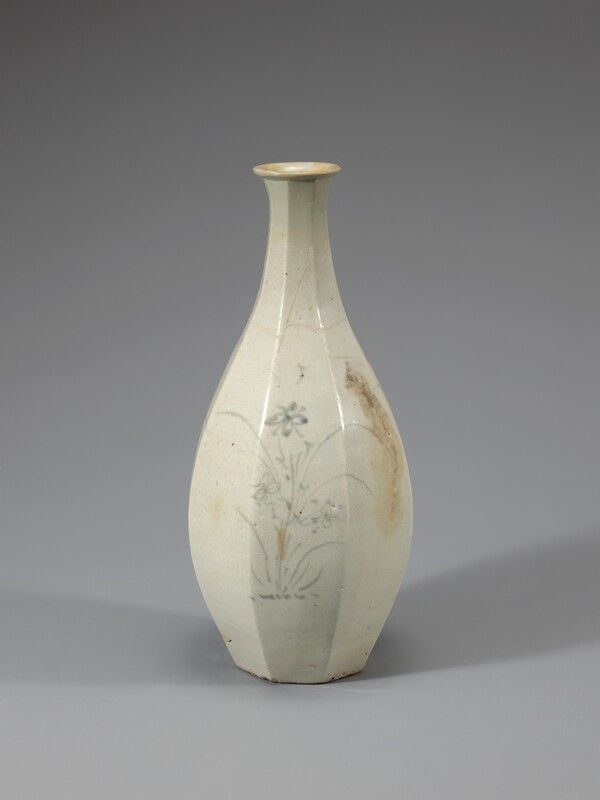
Visitors can experience this distinctive achievement of late Joseon ceramic art at the National Museum of Korea’s Buncheong Ware and White Porcelain Gallery, where the special exhibition “Stories of Faceted White Porcelain” continues through June 21. The exhibition features 14 works with different forms and personalities, including cobalt-blue plum blossom bottles and orchid-patterned faceted vessels, offering a closer look at the quiet tension and refined beauty hidden within faceted white porcelain.
Reported by News Culture M.J._mj94070777@nc.press
Copyright ⓒ 뉴스컬처 무단 전재 및 재배포 금지


