Large-scale Hallyu concerts are increasingly evolving beyond entertainment events into catalysts reshaping the structure of inbound tourism and urban consumption in Korea. Recent research surrounding performances held in Gwanghwamun and Goyang suggests that K-pop concerts are now functioning as major entry points for long-stay tourism and high-value visitor spending.
According to the Korea Culture & Tourism Institute, field analysis conducted around recent large-scale Hallyu performances examined foreign visitor ratios, average stay duration, spending 규모, and tourism movement patterns across Seoul and surrounding areas.
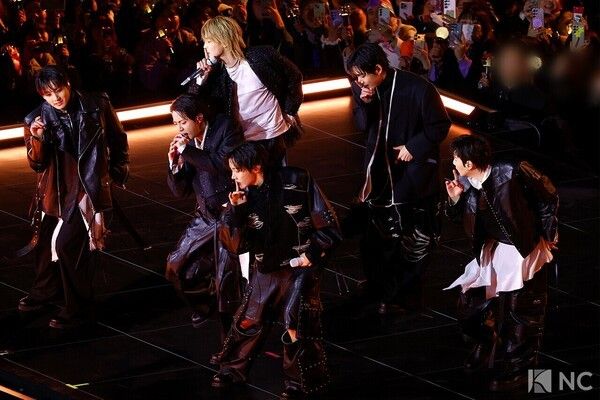
The findings indicated that international visitors are increasingly traveling to Korea with concerts positioned as primary travel motivations rather than secondary leisure activities. Foreign attendees accounted for 44.7% of visitors at the Gwanghwamun performance and 59.8% at the Goyang event, highlighting the expanding role of K-pop concerts within Korea’s tourism economy.
Survey responses also showed that performances themselves played a decisive role in travel planning. A significant portion of overseas visitors reportedly organized flights, accommodations, and broader travel schedules around concert attendance.
Rather than short-term event tourism, the concerts generated extended-stay travel patterns combining accommodation, transportation, dining, shopping, exhibitions, and local cultural experiences. Researchers noted that cultural content is increasingly functioning as the central driver of tourism consumption structures.
Foreign visitors attending the Gwanghwamun event stayed an average of 8.7 days and spent approximately 3.53 million won during their trips, while visitors attending the Goyang performance stayed an average of 7.4 days with spending reaching roughly 2.91 million won.
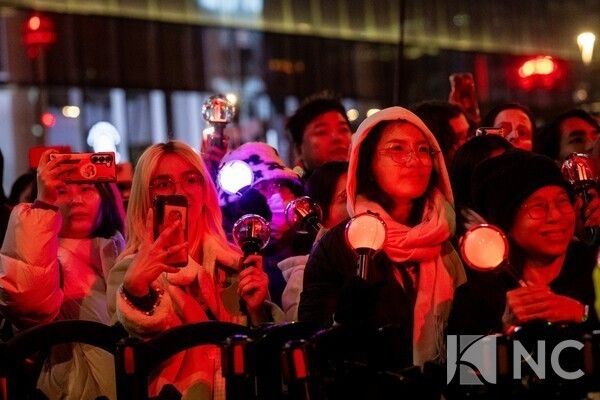
The research further suggested that spending linked to Hallyu concerts extends far beyond ticket purchases. Consumption patterns expanded across hotels, retail, transportation, food services, exhibitions, and citywide cultural programs, creating a multilayered tourism economy connected to live entertainment content.
Tourism flow across Seoul also widened considerably. International visitors attending the Goyang performance reportedly traveled through major districts including Yongsan, Myeongdong, Dongdaemun Design Plaza, and the National Museum of Modern and Contemporary Art, illustrating how concert-centered tourism increasingly disperses consumption throughout the broader city.
Programs linked to “THE CITY” concert tourism initiatives further strengthened these movement patterns by connecting performances with exhibitions, shopping programs, and urban cultural events. Researchers viewed the structure as evidence that entertainment content can function as a citywide tourism platform rather than remaining limited to a single venue.
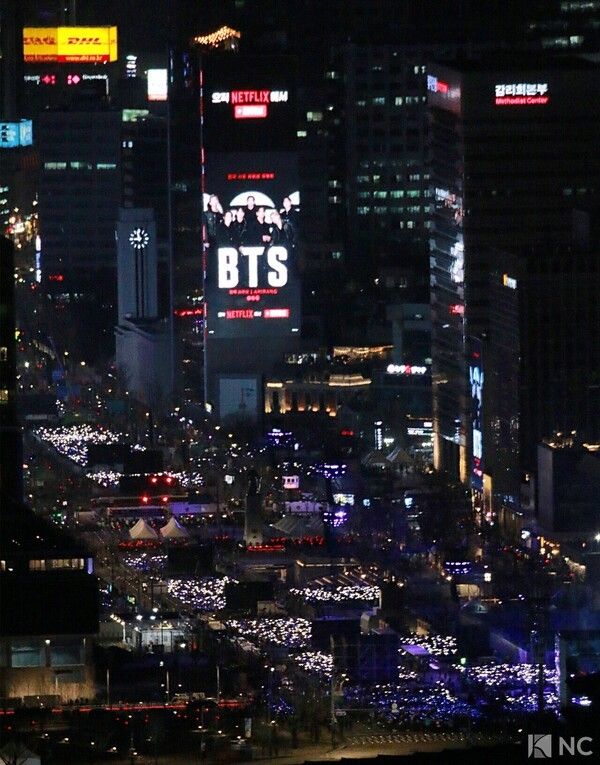
Amid these developments, calls are growing for more integrated tourism policy models capable of connecting cultural events with long-stay consumption strategies. Analysts argue that tourism frameworks focused only on concert attraction or venue operation are becoming increasingly limited in responding to the scale of Hallyu-driven tourism demand.
Policy discussions are now shifting toward broader urban tourism models linking performances, exhibitions, transportation systems, shopping districts, and local commercial areas into unified cultural consumption ecosystems. Expanding tourism circulation throughout entire cities while reducing concentration around specific venues is also emerging as a key policy challenge.
Experts additionally emphasized the need for tourism programs designed to encourage longer visitor stays and higher-value spending structures. As Hallyu content increasingly drives both international travel demand and urban consumption simultaneously, stronger coordination between cultural industries and tourism infrastructure is being viewed as essential.
The findings ultimately suggested that Hallyu concerts are no longer functioning solely as cultural events, but as structural forces influencing tourism patterns, urban spending flows, and broader city-based consumption models across Korea.
The Korea Culture & Tourism Institute stated that additional analysis regarding the economic impact of Hallyu-linked tourism programs will be released in the future as part of efforts to refine integrated cultural tourism policy strategies.
Reported by News Culture M.J._mj94070777@nc.press
Copyright ⓒ 뉴스컬처 무단 전재 및 재배포 금지


