The 46th Traditional Craft Masterpieces Exhibition returns this year with a renewed focus on how traditional craftsmanship can continue living within contemporary society rather than remaining confined to the past. Under the theme “Tradition in Today,” the exhibition highlights works that preserve ancestral techniques while carefully adapting them to modern aesthetics and practical use.
The exhibition will run from May 14 to 22 at “Ol,” the exhibition hall of the annex building at the National Intangible Heritage Center in Seoul’s Gangnam district. Jointly organized with the Korea Association of National Intangible Cultural Heritage Crafts, the event has long been regarded as one of Korea’s leading traditional craft exhibitions, continuously introducing works by nationally recognized master artisans and craft practitioners.
Over nearly half a century, the exhibition has played an important role in preserving traditional craft ecosystems endangered by industrialization while encouraging contemporary creative practice among working artisans. A ceremony honoring outstanding creators will take place on May 13 ahead of the official opening. A total of 128 handcrafted works will be presented.
Since 2018, the exhibition has also selected three individuals each year for the Cultural Heritage Administration Commissioner’s Award recognizing contributions to the development of Korean crafts.
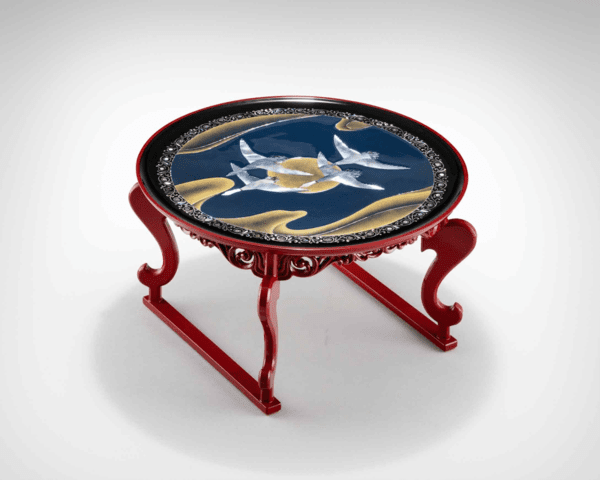
This year’s highest honor, the Cheongongsang Grand Prize, was awarded to master lacquer artisan Lee Hyeong-man for Goose-Pattern Tea Table. The work strengthens its structural framework through repeated applications of natural lacquer and hemp cloth before incorporating highly sophisticated mother-of-pearl inlay techniques. At its center, finely detailed geese — symbols of peace and stability — are meticulously rendered through advanced cutting and polishing processes.
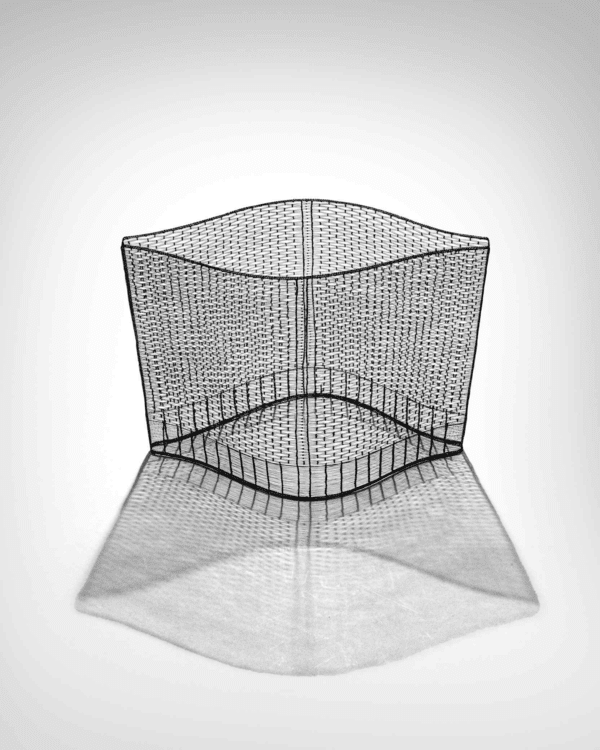
The Myeonggongsang Award was presented to traditional tanggeonjang craft instructor Kim Gyeong-hui for Sabanggwan, a square indoor headpiece historically worn by Confucian scholars. Crafted from horsehair, the piece preserves the material’s elasticity and translucent texture while embodying the restrained elegance associated with Joseon-era scholar culture.
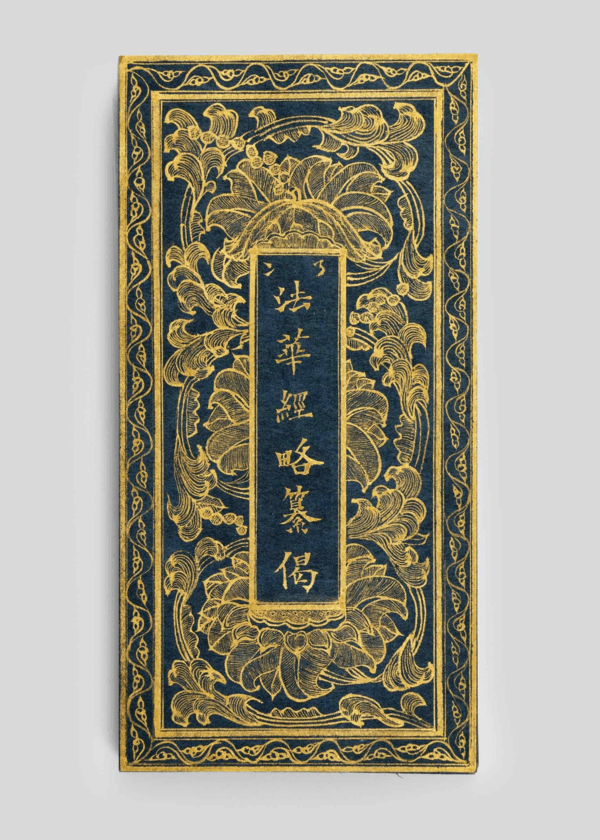
In the field of Buddhist manuscript art (sagyeong), artist Kim Gyeong-mi received the Myeongjangsang Award for Lotus Sutra Yaksongga in Gold on Indigo Paper (Accordion Folding Book). After dyeing paper a deep indigo tone and treating it with lacquer and jade polishing, the artist meticulously inscribed 1,008 Buddhist characters and illustrations using gold powder pigment, demonstrating extraordinary precision and discipline.
Across the exhibition, visitors encounter surfaces shaped through hundreds of brushstrokes, layers of polishing, and repeated acts of refinement. The works reveal how natural materials such as clay, wood, horsehair, and mother-of-pearl can be transformed through human craftsmanship into objects that are simultaneously functional and artistic.
Ultimately, the exhibition asks not only how tradition survives, but how it continues evolving — creating future relevance from inherited forms and techniques.
Reported by News Culture M.J._mj94070777@nc.press
Copyright ⓒ 뉴스컬처 무단 전재 및 재배포 금지


