May has once again become one of the busiest seasons for animated films in Korean theaters. With Children’s Day and Family Month drawing parents and children to cinemas nationwide, animated releases from the United States and Japan are dominating the box office while Korean animation continues to face limited commercial success.
During the recent Children’s Day holiday, , jointly produced by Illumination and Nintendo, topped the Korean box office with more than 280,000 admissions in a single day. Additional animated releases arriving throughout May include , , and , further reinforcing the annual dominance of American and Japanese animation in Korean theaters.
Meanwhile, the relatively weak performances of domestic titles such as "Heartsping Special Edition" and "Sparkling Moony: Sing-Along Party" have once again highlighted the ongoing struggles of Korean theatrical animation.
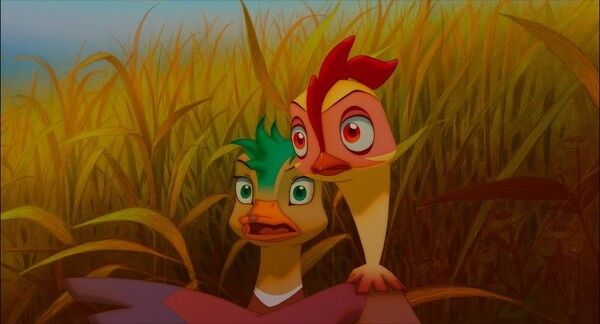
The most successful Korean animated feature to date remains , directed by and released in 2011. Based on by , the film explored themes of freedom, adoption, life, and death while attracting more than 2.2 million moviegoers. Voice performances by , , and also drew considerable attention at the time.
Aside from , which surpassed one million admissions in 2012, most Korean animated films released in theaters have struggled to exceed 500,000 viewers.
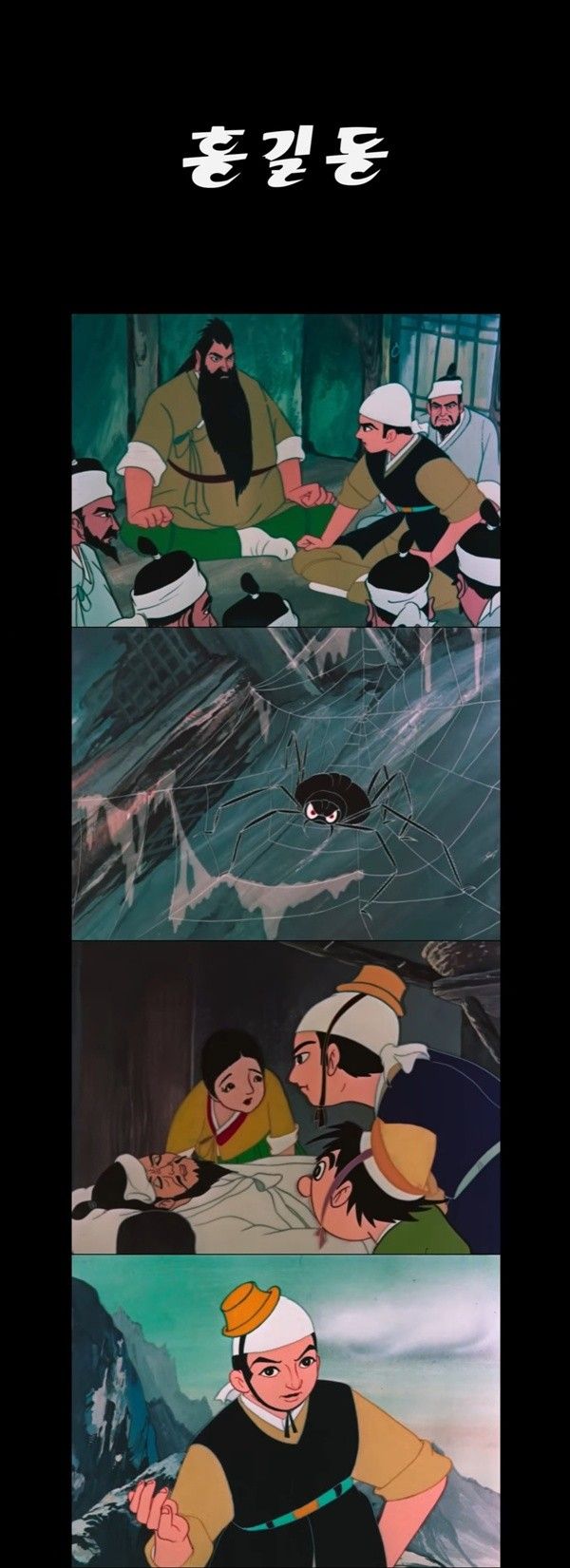
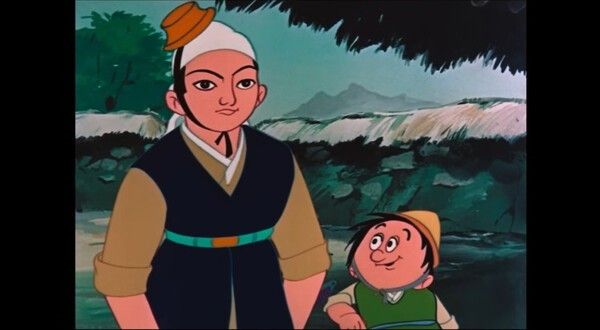
The history of Korean animated feature films dates back 59 years to January 1967, when , directed by , premiered at Daehan Theater in Seoul as Korea’s first theatrical feature-length animated film.
The film was adapted from "The Adventurous Hong Gil-dong," a comic serialized in the Chosun Ilbo by Shin’s younger brother, cartoonist . Production reportedly took a full year under extremely difficult conditions. Materials for theatrical animation were difficult to obtain, budgets were severely limited, and discarded U.S. military film stock was allegedly reused during production.
Despite those circumstances, "Hong Gil-dong" attracted hundreds of thousands of viewers in Seoul alone and became a symbolic milestone for Korean animation.
Before the release of "Hong Gil-dong," Korean animation had largely existed in short television and commercial advertisements. In the early 1960s, several animated commercials for pharmaceutical companies and liquor brands appeared during movie theater intermissions. One of the best-known examples was a Jinro Soju advertisement produced by Shin Dong-heon himself.
Around the same period, imported American animated films such as , , and began screening widely in Korean theaters. Audiences encountered an entirely new cinematic experience through their sophisticated animation styles and fluid movement, inspiring domestic creators to pursue feature-length animation production.
Although "Hong Gil-dong" demonstrated the commercial potential of Korean animation, the industry failed to establish long-term momentum afterward. Structural conflicts between production companies and directors, limited technical infrastructure, and an excessive focus on short-term box office success led to a series of low-quality productions.
As audiences became increasingly aware of the technological and artistic gap between Korean animation and imported foreign works, interest in domestic animation gradually declined.
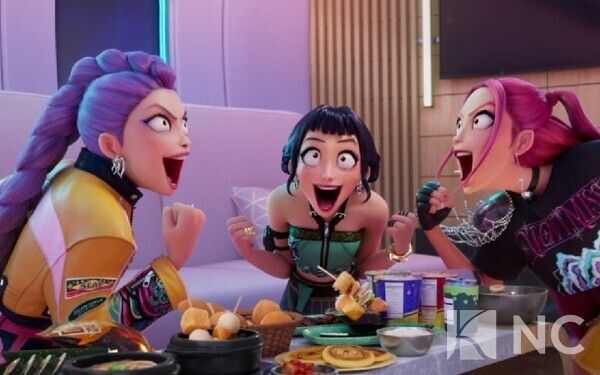
Nearly six decades later, , directed by , achieved worldwide success through Netflix. Built around K-pop and Korean cultural elements, the animated project generated global enthusiasm and renewed pride among Korean audiences. At the same time, the production once again underscored the reality that large-scale global animation success connected to Korean culture continues to emerge primarily through overseas production systems.
According to the Korean Film Archive, the original print of "Hong Gil-dong" had long been considered lost before it was rediscovered in Japan in 2008. Through information provided by animation researcher , the archive secured a 16mm print of the film and later completed a 4K digital restoration in 2016, preserving one of the foundational works in Korean animation history.
Reported by News Culture M.J._mj94070777@nc.press
Copyright ⓒ 뉴스컬처 무단 전재 및 재배포 금지


