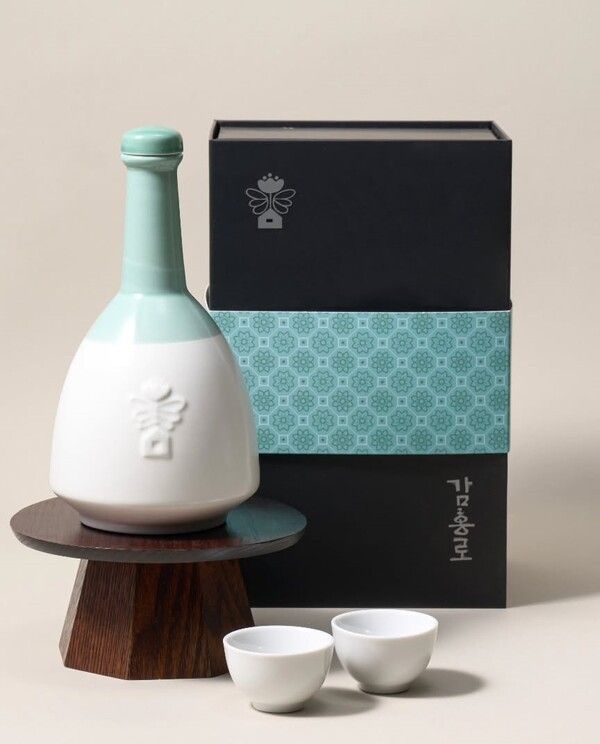
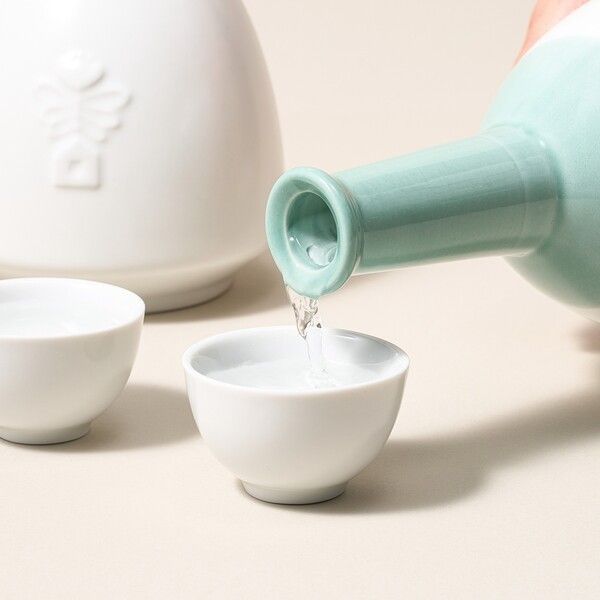
Gamhongro (甘紅露) reveals the character of the liquor through its very name. “Gam” refers to sweetness, “Hong” to its crimson hue, and “Ro” to dew-like droplets formed during distillation. It is a traditional Korean distilled spirit made by infusing clear grain liquor with the red color of gromwell root, the sweetness of honey, and the layered aromas of medicinal herbs. When poured into a glass, the liquor carries a subtle reddish glow, while the palate opens with honeyed sweetness and herbal spice wrapped around the intensity of high-proof alcohol.
Gamhongro was historically known as a representative liquor of the Gwanseo region centered around Pyongyang in present-day North Korea. The names “Gwanseo Gamhongro” and “Pyongyang Gamhongro” both originate from this heritage. In the colder northern climate, strong distilled liquors developed naturally due to their long shelf life, and Gamhongro distinguished itself with its crimson color, sweetness, and aromatic depth. Historical texts often compared its color to yeonji, the traditional red cosmetic pigment once used to tint lips and cheeks.
The liquor appears repeatedly throughout Joseon-era records. The 1611 medical text Dongui Bogam documented methods for producing red-colored distilled liquor using soju and gromwell root, while texts such as Gosachwalyo, Mincheonjipseol, and Juchan also recorded recipes related to Hongroju-style spirits. A 1737 text described Gamhongro as “sweet, fierce, and crimson like rouge,” praising it as the finest among red distilled liquors.
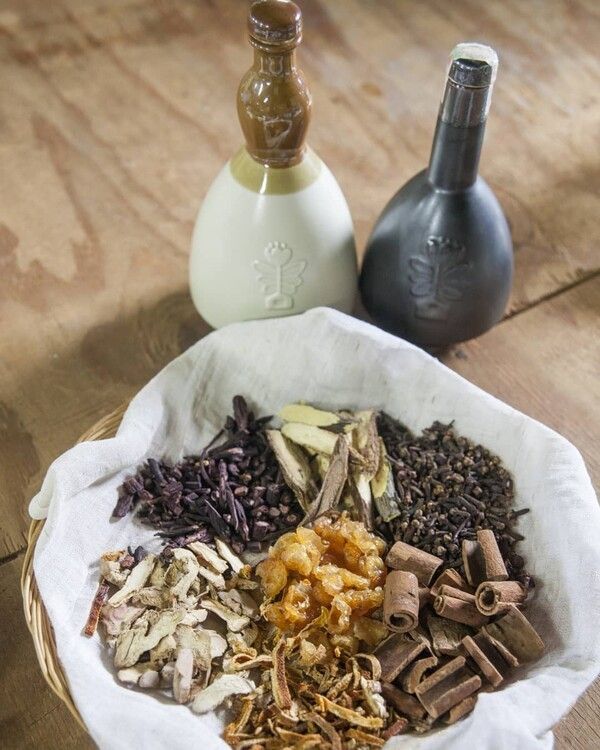
One of Gamhongro’s defining characteristics is the balance between gromwell root and honey. Gromwell root creates the spirit’s vivid red color, while honey softens the sharp edges of the high-proof liquor and binds together the herbal aromas. Cinnamon adds warmth, cloves contribute spice, ginger sharpness, dried citrus peel brightness, longan fruit subtle sweetness, and licorice root a rounded finish. Together, these ingredients produce a spirit that is simultaneously sweet, spicy, aromatic, and powerful.
Gamhongro also held a strong cultural presence in Korean literature. Scholar Yu Deukgong wrote in his poem “Aeryeonjeong,” “Everywhere there is Gamhongro; the village itself seems drunk,” reflecting how deeply the liquor was woven into Pyongyang’s drinking culture. The liquor also appeared in classical Korean novels and pansori narratives such as Sugungga and Chunhyangjeon, where it symbolized luxury and refinement. Later, writer Choe Nam-seon listed Gamhongro alongside Jukryeokgo and Iganggo as one of Korea’s great traditional liquors.
The modern history of Gamhongro, however, was marked by disruption. The liquor’s traditional lineage was displaced during the Korean War, and later weakened by postwar grain control policies and the rise of diluted industrial soju. After master brewer Lee Giyang passed away in 2000, Gamhongro faced the possibility of disappearing entirely.
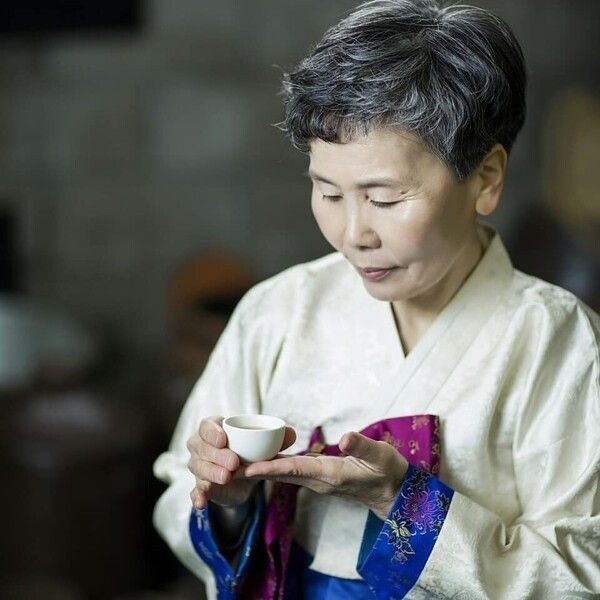
The revival of Gamhongro was led by master brewer Lee Gisuk, the youngest daughter of the brewing family. Together with her husband Lee Minhyung, she established a new production base in Paju and reconstructed the liquor using historical documents and inherited techniques. Recognized as Korea’s Food Master No. 43, Lee Gisuk rebuilt Gamhongro through a combination of traditional craftsmanship and modern quality control. In 2014, the liquor was added to the Slow Food “Ark of Taste,” gaining international recognition as a culinary heritage worth preserving.
Today, Gamhongro represents more than a traditional alcoholic beverage. It stands as a restored legacy of Korean distilled liquor culture, carrying within its crimson color the memory of Pyongyang, the resilience of a displaced tradition, and the determination of artisans who refused to let the spirit disappear.
Reported by News Culture M.J._mj94070777@nc.press
Copyright ⓒ 뉴스컬처 무단 전재 및 재배포 금지


