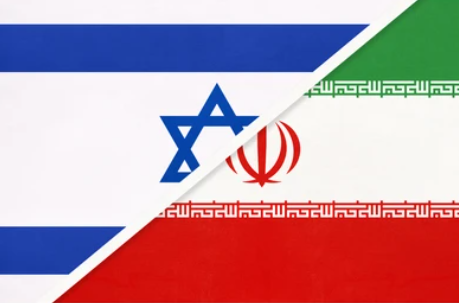
SEOUL, April 25 (AJP) - Wars may begin with grand justifications, but they end in ruin, fatigue, and overwhelming economic bills. The escalating conflict in the Middle East is no exception. What started under the banner of security and deterrence is rapidly exposing the limits of military sustainability, threatening both regional stability and the broader global economy.
The financial and material toll of this war of attrition is staggering. For Israel, the illusion of limitless defense is being tested. While its multi-layered air defense systems are technologically formidable, the economic asymmetry is undeniable: interceptor missiles cost exponentially more than the incoming drones and rockets they destroy. When the cost of defense consistently eclipses the cost of offense, a perpetual war becomes unsustainable.
Iran faces a similarly grim reality. Prolonged conflict, coupled with severe economic sanctions, is degrading its industrial base and supply chains. Modern warfare requires more than just ideological resolve; it demands semiconductors, specialized metals, and a stable economy. As the conflict drags on, the economic foundation required to sustain such military operations is crumbling.
Ultimately, both sides are nearing a phase where avoiding mutual destruction must take precedence over calculating a hollow victory.
The consequences of this prolonged instability extend far beyond the Middle East. For trade-dependent nations like South Korea, the ripple effects are immediate and severe. Volatile oil prices and supply chain disruptions translate into inflation, currency instability, and an overall chilling effect on global trade. A war without a clear endgame holds the global economy hostage.
The region requires a new diplomatic imagination. In 2020, the Abraham Accords reshaped Middle Eastern diplomacy, proving that pragmatic national interests could override decades of emotional and political stalemates. However, the current crisis demands we look even deeper.
We need what might metaphorically be called a "Noah Accord." While Abraham represents the diverging branches of the region's faiths, Noah symbolizes a more fundamental, shared human origin and the ultimate imperative of collective survival.
The Middle East is not a monolith; it is a complex tapestry of Arab, Persian, Turkish, and Jewish civilizations. A sustainable peace cannot be built on military dominance or the complete subjugation of one side. It requires a structural agreement that addresses mutual security guarantees, economic cooperation, and the stabilization of energy supply chains.
Peace does not arrive through declarations, but through the shared construction of a livable future. It is time to recognize that no one can achieve absolute victory, and no one will entirely disappear. Diplomacy and a renewed commitment to coexistence must replace the exhausted stockpiles of weapons.
Copyright ⓒ Aju Business Daily 무단 전재 및 재배포 금지


