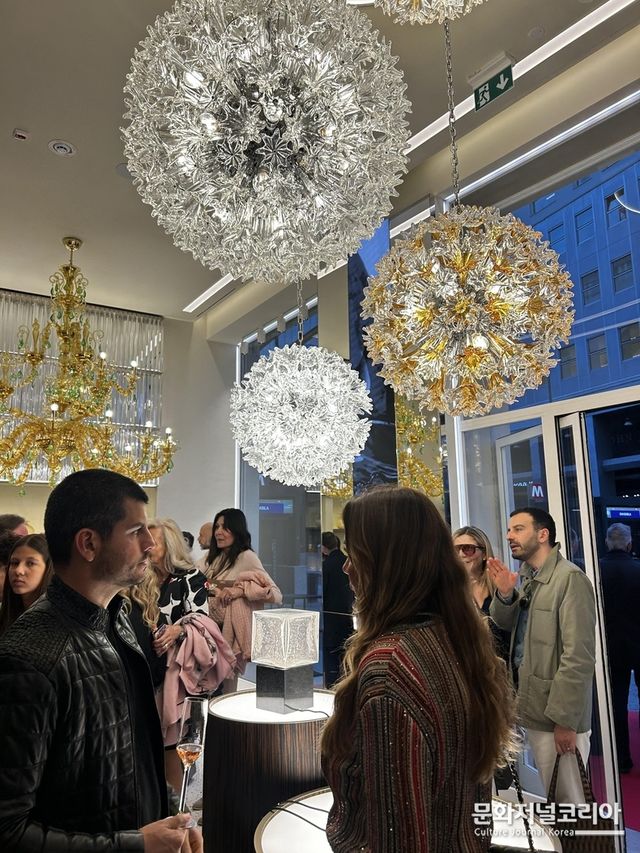
문화저널코리아 조정일 문화전문기자 | 2026년 4월 21일부터 26일까지 열렸던 밀라노 디자인 위크는 올해도 이탈리아 디자인과 공예, 브랜드 유산이 동시대 문화와 교차하는 국제 무대로 기능했다. 같은 기간 도시 전역에서 펼쳐진 디자인 프로젝트들은 밀라노를 단순한 전시의 장이 아니라, 감각과 산업, 장인정신이 함께 움직이는 플랫폼으로 다시 확인하게 했다.
이 흐름 안에서 주목되는 축 가운데 하나는 다미아니 그룹과 베니니의 관계다. 다미아니 그룹은 2020년 베니니의 잔여 지분을 인수하며 브랜드를 완전히 소유하게 됐고, 이후 베니니는 무라노 유리 공예의 유산을 오늘의 언어로 다시 제시하는 브랜드로 자리해 왔다. 실비아 다미아니는 다미아니 그룹 부회장이자 베니니 회장으로 알려져 있으며, 두 브랜드를 잇는 상징적 인물로 읽힌다.
한국과의 연결도 더욱 선명해지고 있다. 다미아니는 2026년 1월 서울 청담동에 Casa Damiani Seoul을 열며 서울을 중요한 접점으로 제시했다. 이는 서울이 단순한 판매 거점을 넘어, 이탈리아 럭셔리 하우스가 아시아와의 관계를 확장하는 감각의 도시로 읽히고 있음을 보여준다.
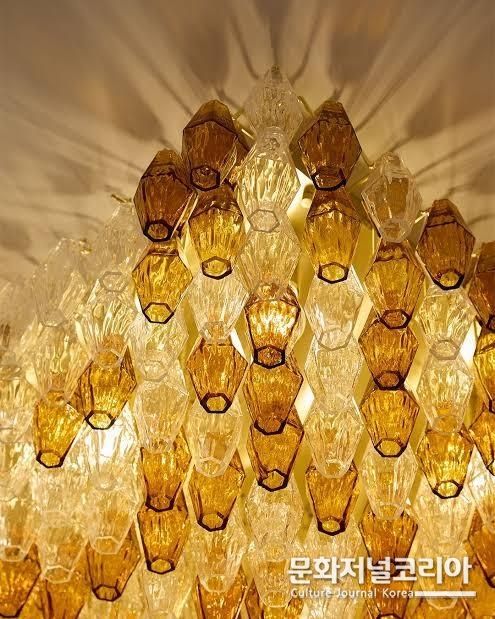
이번 밀라노 디자인 위크에서 베니니가 보여준 공예적 존재감 역시 같은 흐름 안에 놓인다. 무라노의 장인정신을 기반으로 한 베니니는 전통의 보존에 머무르지 않고, 디자인과 예술의 언어 안에서 그 유산을 동시대적으로 확장하고 있다. 이는 단순한 브랜드 소개를 넘어, 이탈리아 공예가 현재에도 여전히 살아 있는 문화 자산임을 보여주는 장면이다.
이런 흐름 속에서 아그네스 리는 이탈리아와 한국 사이의 문화·예술·디자인 연결을 읽고 해석하는 큐레이터로 자리한다. 그의 시선은 개별 브랜드의 이미지보다, 이탈리아 장인정신이 한국에서 어떻게 감각되고 사랑받는지, 그리고 그 반응이 다시 국제 무대에서 어떤 의미를 가지는지에 머문다.
다미아니와의 만남, 베니니의 공예적 전개, I.N.을 통해 드러난 한국 문화의 존재감, 그리고 서울이라는 도시의 전략적 부상은 서로 분리된 장면이 아니다. 오히려 이는 이탈리아의 유산과 한국의 동시대 감각이 점점 더 정교하게 연결되고 있음을 보여주는 하나의 흐름에 가깝다.
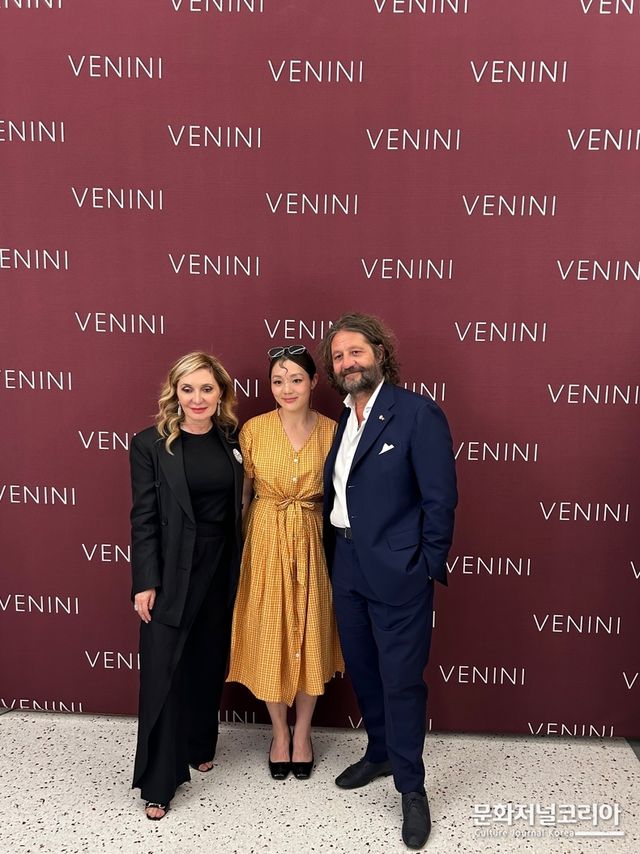
아그네스 리는 이번 디자인 위크를 통해 그 흐름의 결을 읽는다. 이탈리아의 장인정신과 한국의 문화적 수용력, 디자인 감각과 대중적 영향력이 교차하는 지점은 앞으로 더욱 중요한 문화적 장면이 될 가능성이 크다. 그 의미에서 밀라노와 서울 사이에 형성되는 이 연결은 단순한 시장의 확장이 아니라, 두 문화가 서로를 해석하고 확장하는 새로운 관계의 시작으로 읽힌다.
영어_
_Milan Design Week 2026, Damiani, VENINI and Seoul
_Reading the point where Italian craftsmanship meets Korean cultural sensibility
From April 21 to 26, 2026, Milan Design Week once again served as an international stage where Italian design, craftsmanship and brand heritage intersected with contemporary cultural language. Across the city, projects and presentations confirmed Milan not simply as a showcase, but as a platform where aesthetics, industry and artisanal legacy continue to move together.
Within this broader context, one of the most notable axes was the relationship between Damiani Group and VENINI. In 2020, Damiani Group acquired the remaining shares of VENINI, taking full ownership of the historic Murano glass house. Since then, VENINI has continued to position itself as a brand that rearticulates the legacy of Murano craftsmanship in a contemporary design language. Silvia Damiani is widely identified as Vice President of Damiani Group and President of VENINI, embodying a key point of continuity between the two houses.
The connection with Korea has also become increasingly visible. In January 2026, Damiani opened Casa Damiani Seoul in Cheongdam, presenting Seoul as a meaningful point of contact for the maison. This suggests that Seoul is no longer perceived merely as a retail market, but as a city through which Italian luxury houses deepen and extend their relationship with Asia.
That connection is further reinforced by the presence of Korean popular culture. I.N. of Stray Kids, who serves as a global brand ambassador for Damiani, became a visible symbol of this cultural linkage during the Milan Fashion Week period in February 2026. In that context, the language of an Italian jewellery house and the presence of a Korean artist converged in a way that made the connection between Italian luxury and Korean cultural influence more tangible.
VENINI’s presence during Milan Design Week belongs to the same trajectory. Rooted in the heritage of Murano glassmaking, the brand continues not only to preserve tradition but to expand it through the language of art and design. Its position within the week pointed to Italian craftsmanship not as a static legacy, but as a living cultural asset capable of renewed relevance.
Within this evolving landscape, Agnes Lee stands as a curator who reads and interprets the connection between Italy and Korea through culture, art and design. Her perspective does not remain at the level of brand image alone. It focuses instead on how Italian craftsmanship is perceived, embraced and culturally translated in Korea, and on how that response returns with meaning on the international stage.
The encounter with Damiani, the artisanal dimension of VENINI, the symbolic presence of I.N., and the strategic rise of Seoul should not be read as isolated moments. Together, they indicate a broader movement in which Italian heritage and contemporary Korean sensibility are becoming more closely and more precisely aligned.
Through this year’s Design Week, Agnes Lee reads the texture of that movement. The point at which Italian craftsmanship, Korean cultural receptivity, design intelligence and popular influence meet is likely to become increasingly significant. In that sense, the growing connection between Milan and Seoul may be understood not simply as market expansion, but as the beginning of a new relationship in which two cultures interpret and extend one another.
이탈리아_
Milano Design Week 2026, Damiani, VENINI e Seoul
Dove l’artigianalità italiana incontra la sensibilità culturale coreana
Dal 21 al 26 aprile 2026, la Milano Design Week si è confermata ancora una volta come una piattaforma internazionale in cui design italiano, artigianalità e patrimonio di marca si intrecciano con il linguaggio della contemporaneità. I progetti diffusi in città hanno ribadito il ruolo di Milano non soltanto come vetrina, ma come spazio in cui estetica, industria e tradizione manifatturiera continuano a dialogare.
All’interno di questo scenario, uno degli assi più significativi è rappresentato dal rapporto tra Damiani Group e VENINI. Nel 2020 Damiani Group ha acquisito le quote residue di VENINI, assumendo il pieno controllo della storica maison del vetro di Murano. Da allora, VENINI ha continuato a riproporre la propria eredità artigianale attraverso un linguaggio capace di dialogare con il design contemporaneo. Silvia Damiani è riconosciuta come Vicepresidente di Damiani Group e Presidente di VENINI, figura che collega in modo diretto le due realtà.
Anche il legame con la Corea si è fatto più evidente. Nel gennaio 2026 Damiani ha inaugurato Casa Damiani Seoul a Cheongdam, presentando Seoul come un punto di contatto strategico per la maison. Il dato suggerisce che Seoul non venga più letta soltanto come mercato di consumo, ma come città attraverso cui le maison italiane possono approfondire il loro rapporto con l’Asia.
A questo quadro si aggiunge la presenza della cultura pop coreana. I.N. degli Stray Kids, ambasciatore globale del brand Damiani, ha rappresentato un segnale visibile di questa connessione durante il periodo della Milano Fashion Week del febbraio 2026. In quel contesto, il linguaggio di una maison italiana di alta gioielleria e la presenza di un artista coreano si sono incontrati in modo capace di rendere più concreta la relazione tra lusso italiano e influenza culturale coreana.
Anche la presenza di VENINI durante la Milano Design Week si inserisce nello stesso movimento. Radicato nella tradizione del vetro di Murano, il marchio non si limita a custodire un’eredità storica, ma continua ad ampliarla attraverso i codici del design e dell’arte. In questo senso, il suo ruolo durante la settimana milanese ha restituito l’immagine di un’artigianalità italiana non statica, ma ancora pienamente viva e culturalmente attiva.
In questo contesto, Agnes Lee si colloca come curatrice capace di leggere e interpretare la connessione tra Italia e Corea attraverso cultura, arte e design. Il suo sguardo non si ferma alla sola immagine dei brand, ma osserva il modo in cui l’artigianalità italiana viene percepita, accolta e tradotta culturalmente in Corea, e il modo in cui questa risposta torna poi ad avere significato sulla scena internazionale.
L’incontro con Damiani, la dimensione artigianale di VENINI, la presenza simbolica di I.N. e l’ascesa strategica di Seoul non appaiono quindi come episodi separati. Insieme delineano un movimento più ampio, in cui patrimonio italiano e sensibilità coreana contemporanea sembrano entrare in una relazione sempre più precisa.
Attraverso questa edizione della Design Week, Agnes Lee legge la trama di tale movimento. Il punto in cui si incontrano artigianalità italiana, ricettività culturale coreana, intelligenza progettuale e influenza popolare è destinato ad assumere un peso crescente. In questo senso, il legame che si sta consolidando tra Milano e Seoul può essere interpretato non soltanto come un’espansione di mercato, ma come l’inizio di una nuova relazione culturale in cui due mondi si leggono e si ampliano reciprocamente.
Copyright ⓒ 문화저널코리아 무단 전재 및 재배포 금지


