In today’s viral digital landscape in South Korea, violence is no longer hidden — it is performed, filmed and monetized in plain sight.
Across YouTube, Telegram and livestreaming platforms, a burgeoning genre of “fight content” is blurring the line between sport and exploitation, drawing millions of viewers and echoing the voyeuristic brutality of the Netflix hit Squid Game.
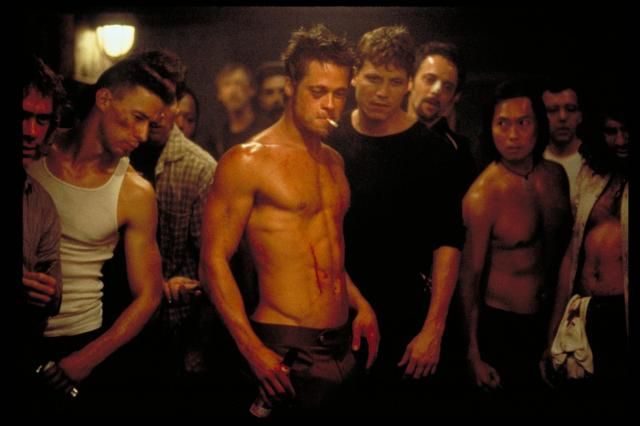
A video titled “Real Fight Among Guys in Their 20s Working Construction #Yacharule,” which has racked up over 12 million views, shows two shirtless men trading punches, surrounded by roughly ten onlookers. Someone films the scene.
At the call of “Fight!”, the two exchange punches before quickly grappling on the ground.
One man, pinned underneath, takes a direct blow to the nose. Blood pours over his face and chest. He loses.
The winner beams at the camera: “I’m not trying to brag, but I’ve never even trained at a gym.”
Channels like this follow the so-called “Yacha Rule,” a format of semi-staged or raw combat named after the Yaksha — a predatory spirit in Buddhist mythology. Unlike regulated MMA or boxing, Yacha fights operate in a legal and safety vacuum. With minimal protection and few rules beyond banning eye-gouging, their appeal lies in a curated sense of visceral “authenticity.”
The scale is already significant. One YouTube channel dedicated to such content has amassed more than 180 million cumulative views, while short clips routinely draw millions. A single one-minute video recently surpassed 4.4 million views, translating into substantial advertising revenue under standard monetization models.
What began with trained or semi-trained participants is now spilling into everyday life. Some creators stage retaliatory fights under the banner of “teaching a lesson,” livestreaming confrontations against perceived wrongdoers.
More troubling is its seepage into youth culture. A Telegram channel reportedly purchased and distributed footage of real assaults involving minors, paying informants between 5,000 and 50,000 won (.4 to ) depending on severity. With roughly 1,000 uploaded clips and thousands of subscribers, many videos show victims bleeding or losing consciousness — erasing any meaningful line between documentation and exploitation.

“Humans are neurologically attuned to threat and conflict,” said Rosie Dutt, a professor of psychology and neuroscience at the University of North Carolina at Chapel Hill.
“Violent or high-stakes stimuli capture attention more quickly and hold it longer than neutral content,” activating both fear-processing systems and reward pathways.
This creates what researchers describe as a “safe danger” experience — intense yet detached.

Over time, repeated exposure may not directly increase violent behavior, but it can dull emotional responses and normalize aggression.
The digital environment amplifies this dynamic. Online anonymity reduces accountability, encouraging engagement with extreme content — a phenomenon widely known as the online disinhibition effect.
Yet the legal reality is far less ambiguous.
“The presence of consent does not automatically eliminate criminal liability,” said Sung Joong Tak, a law professor at Kyungpook National University. Courts have consistently held that consent is invalid when it violates social norms, particularly in unregulated and high-risk physical confrontations.
Under South Korean law, causing bodily harm is punishable by imprisonment or fines, and prosecution does not hinge on whether the victim presses charges. Even if participants agree beforehand — or reconcile afterward — legal responsibility remains.
The implications extend beyond participants. Organizers, promoters and those filming or distributing the content may face charges for aiding and abetting violence. If betting is involved, gambling laws apply; if minors are exposed, youth protection statutes come into force.
What appears to be a consensual “sport” can quickly trigger a cascade of criminal violations.
The broader shift is cultural.
Violence has long been part of entertainment — from ancient gladiator arenas to modern action films. But the Yacha Rule signals something different: the erosion of distance between performer and audience, fiction and reality.

For regulators, the challenge is acute: balancing freedom of expression with the need to curb harmful content. Enforcement is equally complex, particularly when distribution spans encrypted platforms and decentralized networks.
Copyright ⓒ Aju Business Daily 무단 전재 및 재배포 금지


