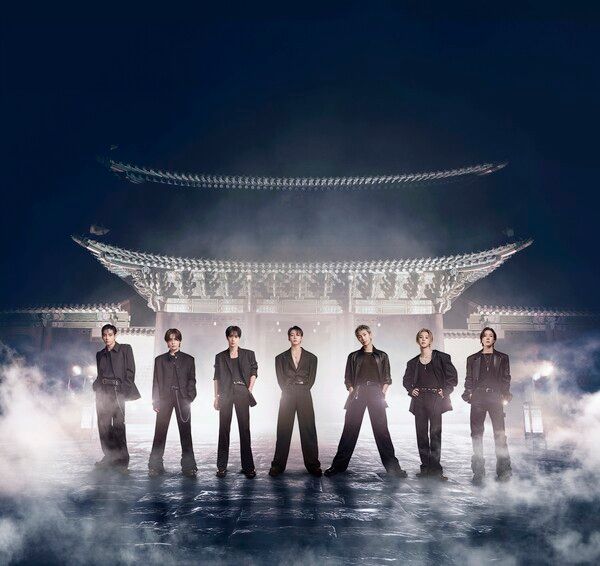
K-culture is no longer confined to the framework of “exported content.” It has evolved into a cultural mechanism that actively shapes the sensibilities, preferences, and modes of connection among the 2030 generation. For this demographic, K-culture is not merely something to consume. It functions as a means of self-expression and a pathway to engage with the world.
Where earlier waves of Hallyu were interpreted through the lens of national competitiveness and industrial output, today’s K-culture is increasingly reorganized around individual emotion and lived experience. The 2030 generation does not stop at passive consumption. They reinterpret, remix, and redistribute content, layering it with personal meaning. In doing so, content becomes raw material for constructing personal narratives.
Identity, in this context, is no longer fixed. Within an ecosystem where K-pop, K-dramas, K-fashion, and K-beauty intersect, individuals continuously recalibrate how they present themselves depending on context. Rather than adhering to a singular taste, the coexistence of multiple, parallel preferences has become normalized.
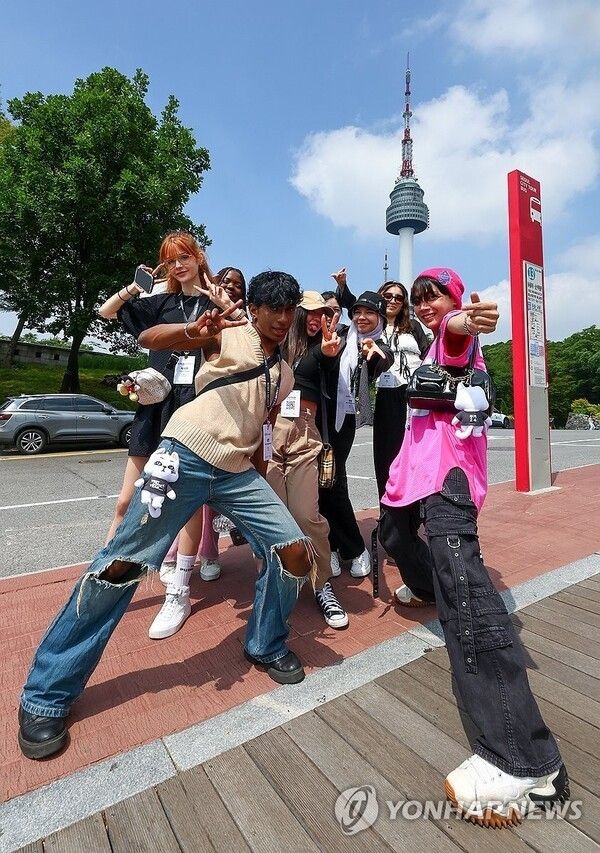
K-pop operates at the core of this transformation. Its integrated structure, combining music, performance, and narrative universes, encourages participation beyond passive listening. Fans organize coordinated streaming campaigns, produce interpretation videos, and replicate stage styling on social media. Aligning one’s profile aesthetics with a specific idol concept has become a recognizable form of identity expression.
Fan-driven secondary creation further reinforces this dynamic. Fan fiction, fan art, and edited video content extend original narratives while embedding the creator’s own interpretation and emotional investment. In this process, individuals shift from consumers to active creative agents.
K-dramas, meanwhile, function as vehicles for emotional articulation. Their narrative density and psychological depth resonate closely with the lived experiences of the 2030 generation. Viewers frequently translate scenes into personal reflections, sharing them with captions such as “today’s mood,” effectively turning content into tools for self-narration.
Romantic storylines are often repurposed into meme culture, gaining new meanings through short-form video clips circulated across platforms. Confession or breakup scenes, for instance, become modular emotional expressions, adapted to individual contexts. Fragments of content evolve into a shared emotional language.
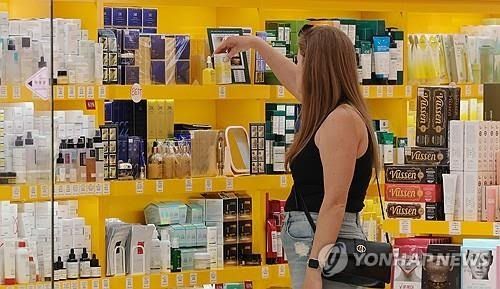
K-fashion and K-beauty serve as primary instruments for constructing visual identity. Adapting an idol’s styling or reinterpreting a drama character’s wardrobe into everyday wear reflects a broader desire to align with specific images. The rapid sellout of items worn by actors underscores this phenomenon.
On social media, “Outfit of the Day” (OOTD) posts exemplify this trend. Users frequently tag the idols or characters that inspired their styling, simultaneously revealing both aesthetic preference and identity alignment. Fashion becomes a narrative medium.
Digital environments accelerate these processes. The 2030 generation embraces a fluid, multi-layered sense of self, rather than a singular identity. Music tastes, viewing habits, and fashion choices converge within curated social media feeds, forming a cohesive yet dynamic representation of self.
In this ecosystem, individuals operate almost as personal brands. Visual tone, language patterns, and content selection create a consistent identity framework. K-culture functions as a core component in constructing this framework.
Global connectivity further amplifies its reach. Through K-culture, the 2030 generation maintains Korean cultural elements while simultaneously acquiring a global sensibility. Real-time interaction with international fans, multilingual content consumption, and participation in global platforms extend identity beyond national boundaries.
Language itself is evolving. Expressions and memes derived from K-culture strengthen intra-generational cohesion. Catchphrases from variety shows or the speech patterns of idols increasingly permeate everyday communication, signaling shared cultural codes.
Speed underpins the entire structure. Content is produced, consumed, and reprocessed at a rapid pace, and identity evolves accordingly. In an environment where yesterday’s preferences may quickly shift, constant change becomes the default state.
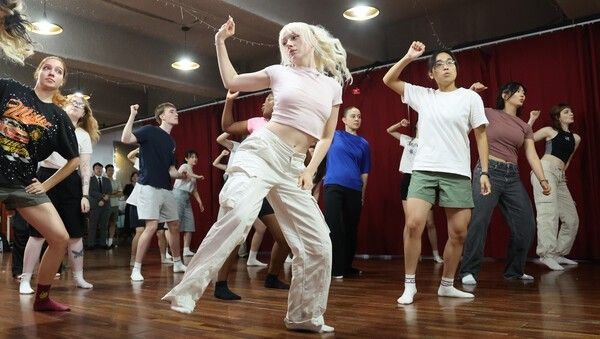
Challenge culture on video platforms illustrates this dynamic. Participating in choreography or audio-based challenges is less about imitation and more about signaling belonging. Participation itself becomes an extension of identity.
At the same time, there is an inherent tension. The demand for constant self-expression and updates introduces fatigue. The pressure to maintain a curated identity, coupled with comparison dynamics, generates new forms of stress.
Despite this, K-culture remains one of the most powerful tools for self-expression among the 2030 generation. Within its multi-layered structure combining music, visuals, fashion, and language, individuals continuously reconstruct themselves. Identity, in this framework, is not a fixed outcome but an ongoing process.
Ultimately, K-culture is no longer an external influence separate from daily life. It operates as an internal system, where taste, emotion, relationships, and expression intersect. For the 2030 generation, identity is not formed alongside K-culture. It is formed through it.
Reported by News Culture M.J._mj94070777@nc.press
Copyright ⓒ 뉴스컬처 무단 전재 및 재배포 금지


