A war film does not always begin with explosions. In The Hunt for Red October Part 1, tension accumulates quietly, confined within the steel walls of a warship drifting across a cold and indifferent sea. The battlefield is not visible, yet it is unmistakably present in the minds of those aboard.
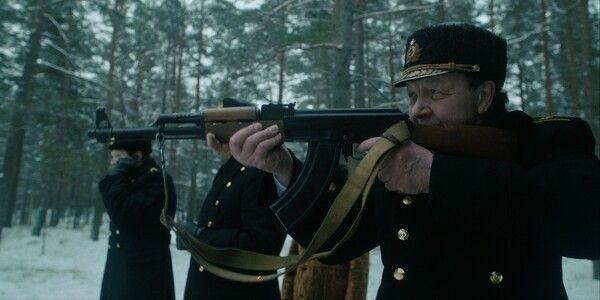
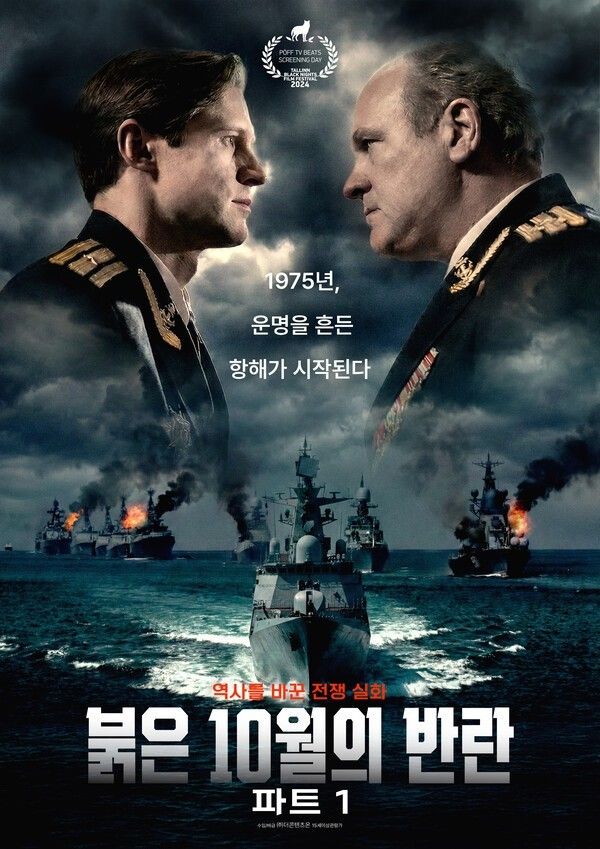
Set against the backdrop of the Cold War in 1975, the film reconstructs the real-life mutiny aboard the Soviet vessel Storozhevoy. Rather than focusing on external enemies, the narrative dissects internal fractures within a rigid system. This approach distinguishes the film from conventional war dramas, replacing spectacle with suffocating psychological pressure.
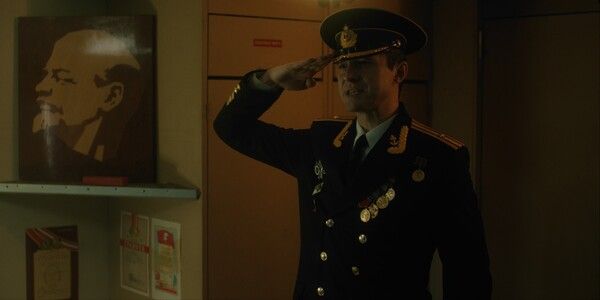
The enclosed space of the warship functions as both setting and mechanism. Isolation removes any possibility of escape, forcing characters into direct confrontation with their beliefs, loyalties, and fears. Hierarchical structures intensify this tension, where even minor doubts ripple outward, threatening the stability of the entire chain of command.
Unlike action-driven war films, the film builds tension incrementally. Subtle exchanges, fleeting glances, and restrained performances replace overt conflict. This restrained direction amplifies immersion, allowing viewers to experience the same unease that permeates the ship.
In comparison to works such as Hacksaw Ridge and Dunkirk, which center on faith and survival respectively, this film pivots toward the weight of decision-making. Each choice made by the characters carries cascading consequences, reinforcing the narrative’s core theme: the burden of individual agency within an oppressive system.
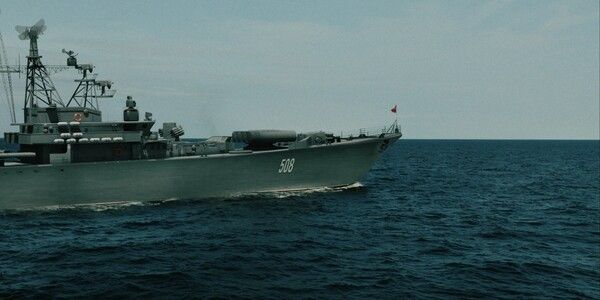
Visually, the film reinforces its thematic density. The vast ocean and imposing structure of the warship create an overwhelming atmosphere, while the textured aesthetic of the 1970s enhances realism. Moments of apparent calm, such as social gatherings or routine interactions, are layered with underlying instability, further sharpening the contrast between surface and reality.
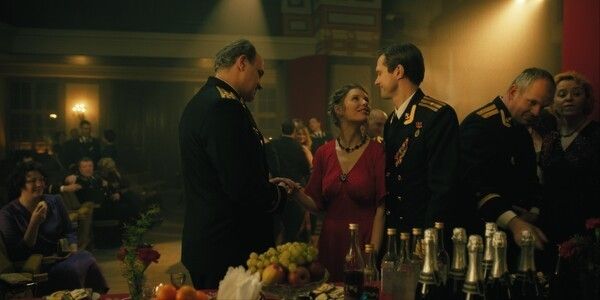
Ultimately, The Hunt for Red October Part 1 is less about combat and more about the human condition under extreme pressure. It presents war not as a sequence of battles, but as a psychological state shaped by ideology, confinement, and choice.
This is a film that rejects spectacle in favor of precision. Its strength lies in the slow accumulation of tension and the meticulous portrayal of internal conflict, offering a distinctly introspective perspective on war.
Reported by News Culture M.J._mj94070777@nc.press
Copyright ⓒ 뉴스컬처 무단 전재 및 재배포 금지


