"What's notable is not just the sharp rise in U.S. submissions, but their exceptional diversity in both genre and form. From comedy and horror to documentary and experimental cinema, the range and ambition were particularly striking."
That was how programmer Kim Hyo-jung summarized this year's international competition landscape at the Jeonju International Film Festival.
The United States drew attention with a total of 44 submissions, the highest among all participating countries.

Running from April 29 to May 8 across Jeonju Film Street and venues throughout the city, the 27th edition of the festival will showcase 10 films in its international competition. The section focuses on emerging filmmakers with fewer than three feature-length works, presenting titles making their Asian premiere.
A total of 421 films from 70 countries were submitted between November and January. Europe ranked first by region in number of entries, followed by Asia and North America, while the United States topped all countries with 44 films.
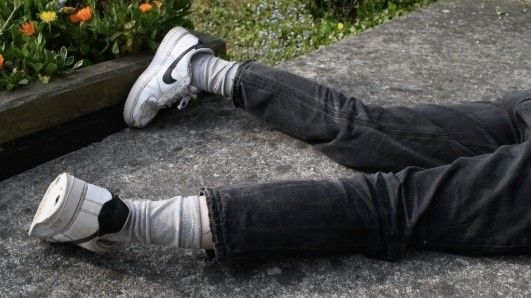
Walter Thompson-Hernandez expands his Sundance-recognized short into the feature “If I Go,” a dreamlike portrait of a young Black boy growing up in the hood. From Türkiye, Ragıp Türk presents “Stones and Feathers,” a fiction feature tracing Nazire’s desperate journey to reclaim her child after imprisonment.

“Chronovisor,” the debut feature by Baltimore-based duo Zach Owen and Kevin Walker, unfolds as an intellectual mystery intertwining a reclusive scholar with a technology capable of capturing the past. Argentina’s Ezequiel Salinas and Ramiro Sonzini present “The Night Fades Slowly,” a lyrical black-and-white depiction of a man whose life grows harsher yet closer to cinema.
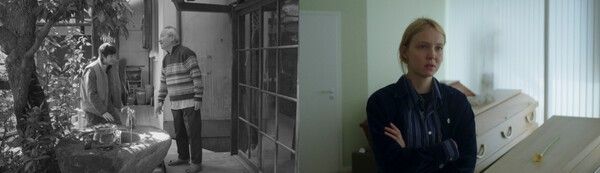
Hiromichi Nakao returns with “Michiyuki: Voices of Time,” delicately tracing a young man’s drifting journey through memory after moving into an old house. Germany’s Jacqueline Jansen presents “Six Weeks Later,” a quiet exploration of grief following a daughter’s six-week mourning period after her mother’s death.
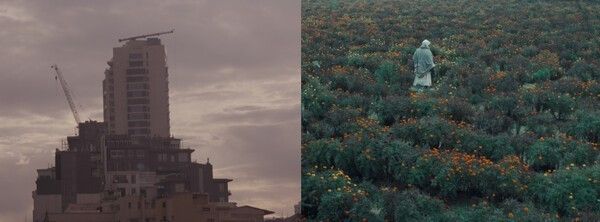
“Another Summer’s Dream” by Irene Bartolomé constructs visual surrealism through the interplay of Beirut’s decaying urban landscape and interior spaces. Ankur Huda’s “The Calf Doll” blends fiction and documentary into a hybrid narrative shaped by villagers’ improvisation and lived experience.
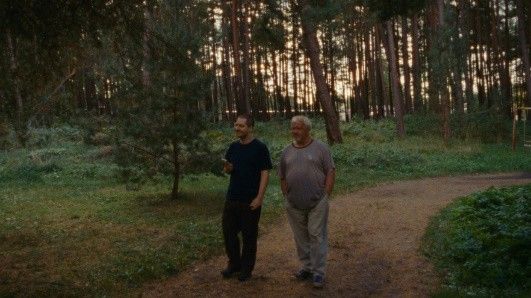
Isabel Pagliai’s “Fantasy” experiments with the blurred boundary between dreams and reality through a mysterious notebook, while Vytautas Katkus’s “The Visitor” paints a watercolor-like portrait of nostalgia as a man returns home to sell his parents’ house.
Reported by News Culture M.J._mj94070777@nc.press
Copyright ⓒ 뉴스컬처 무단 전재 및 재배포 금지


