At the far northern edge of Gamak Bay stands Yeosu Naval Shipyard Historic Site, a quiet shoreline that once functioned as the operational core of Joseon’s naval defense. Designated as Historic Site No. 392, it was here that warships were built, weapons forged, and strategy materialized at a moment when the nation stood on the brink.
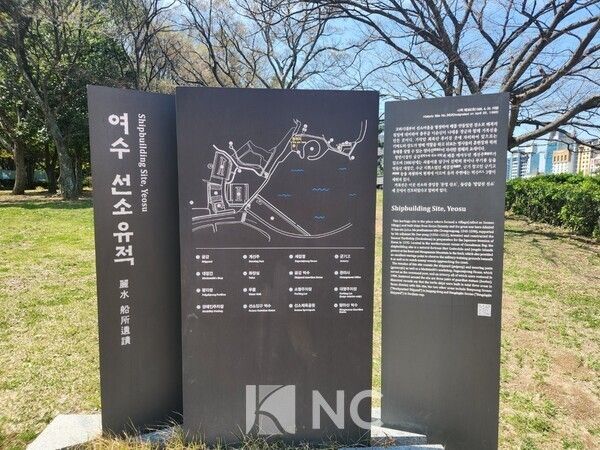
Geography defined everything. Shielded by surrounding islands, the inlet concealed its interior from the open sea while maintaining calm waters ideal for shipbuilding. This natural fortress, formed long before war arrived, became a decisive advantage when conflict did.
It was in this concealed basin that Yi Sun-sin, alongside Na Dae-yong, constructed the turtle ship, a vessel that would alter the course of naval warfare. What remains today are not just ruins, but fragments of a system built on precision and urgency.
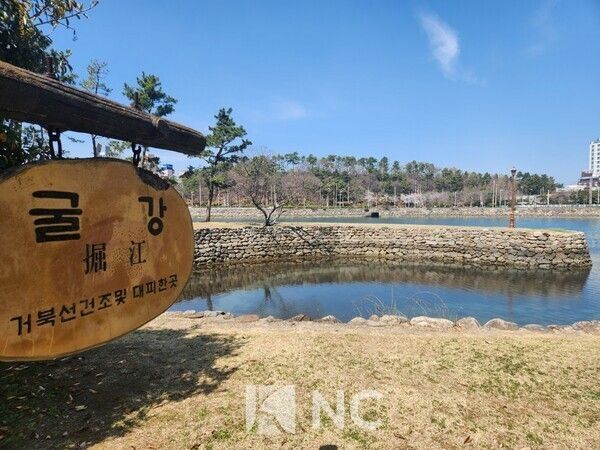
The dug canal, Gulgang, functioned as a controlled dock where ships were assembled, repaired, and concealed. Its still surface belies its former role as a staging ground for war. Nearby, the remains of a blacksmith site suggest continuous weapon production, supported by natural spring water drawn from the surrounding rock.
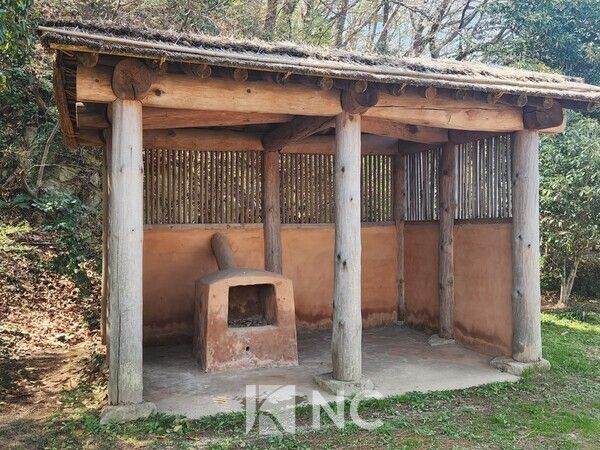
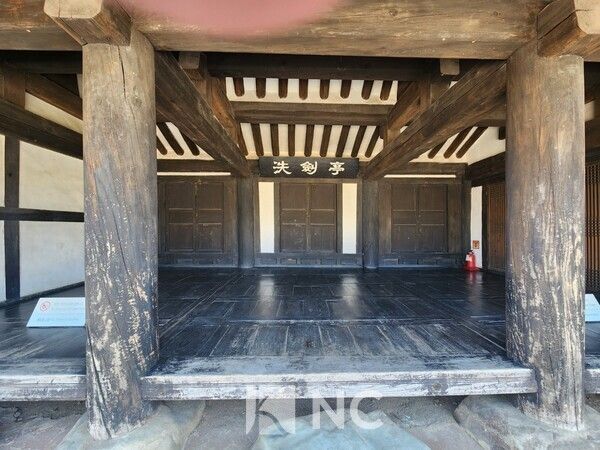
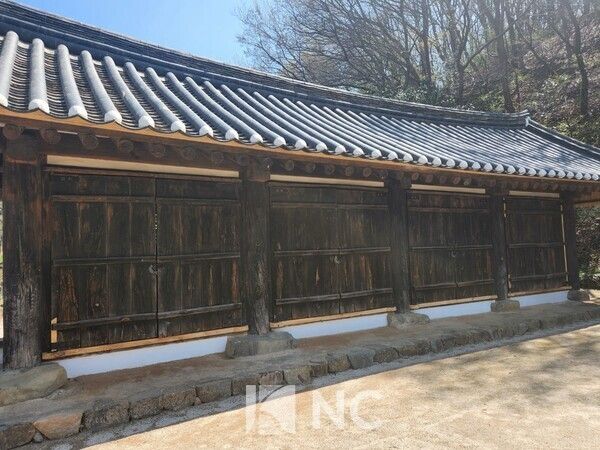
Further inland, Segumjeong and Gungigo outline the command and logistics structure of the base. Excavations uncovered iron arrowheads and ship nails, confirming the site’s operational role. Reconstructed in 1986, the buildings stand not as replicas, but as structural evidence of how the base once functioned.
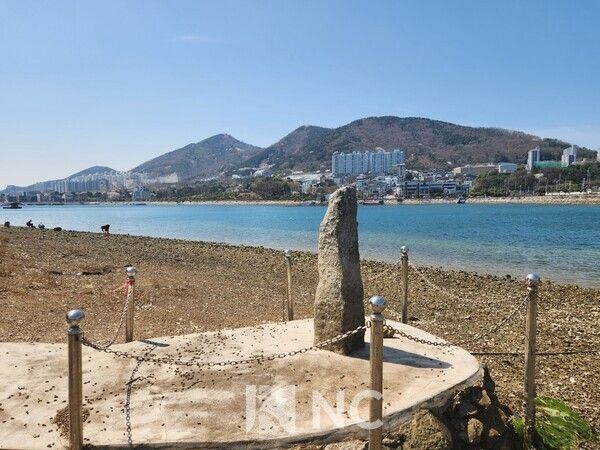
At the edge of the shore stands Gyeseonju, a solitary stone pillar. Measuring roughly 1.4 meters, it is believed to have secured warships before deployment. Whether functional or symbolic, it marks the boundary between preparation and departure.
Yet the preservation of this site carries a cost. Following its designation in 1995, residents of the surrounding Seonso village were displaced. Their absence is recorded at the entrance, a reminder that history is often secured through sacrifice.
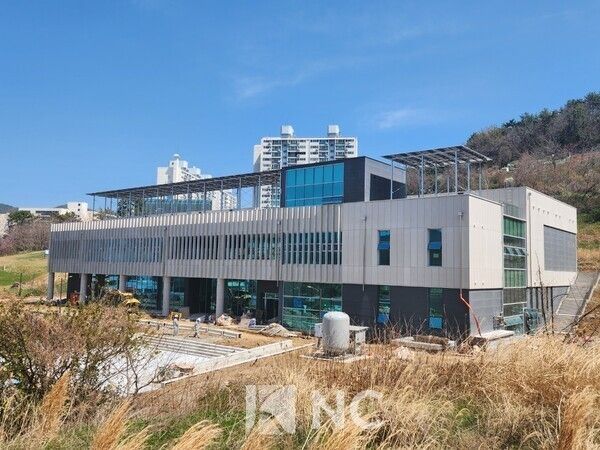
Today, Yeosu is reshaping the site into a historical park with exhibition facilities and walking paths. The project, initiated in 2021, is nearing completion, with an opening expected in June 2026.
Yeosu Naval Shipyard does not overwhelm with scale. Instead, it endures through density.
Here, strategy took form, technology found purpose, and unnamed hands carried the weight of survival.
Along the quiet waters of Gamak Bay, the site remains less a monument than a system that once held a nation together.
Reported by News Culture M.J._mj94070777@nc.press
Copyright ⓒ 뉴스컬처 무단 전재 및 재배포 금지


