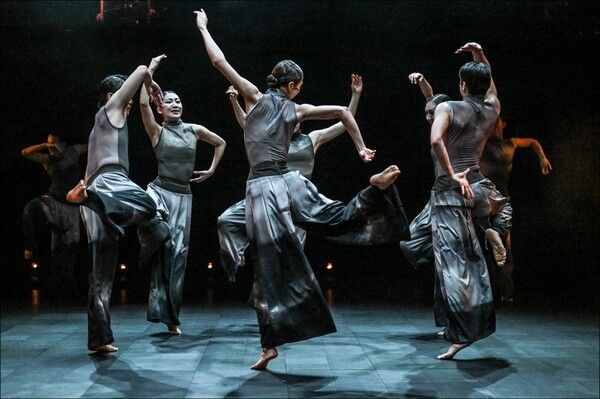
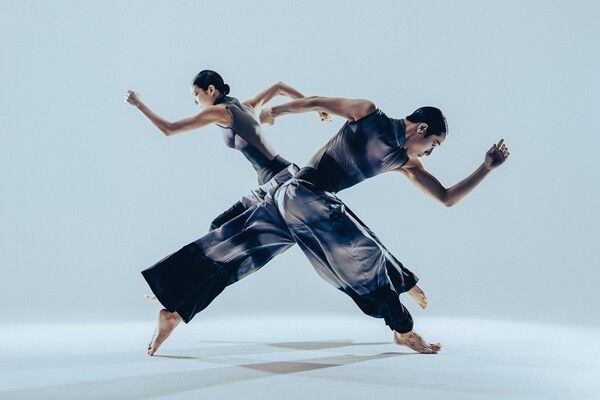
In a culture that once chanted “faster, faster,” even trends now expire before they settle. A gift that was once “in” is already out of date. South Korean society has accelerated further, to the point where falling behind happens in the blink of an eye. We live in an age defined by speed. Younger generations in particular pursue immediacy and find waiting uncomfortable. How can this era’s obsession with speed be embraced? What stories can be told through velocity? One performance begins with these questions.
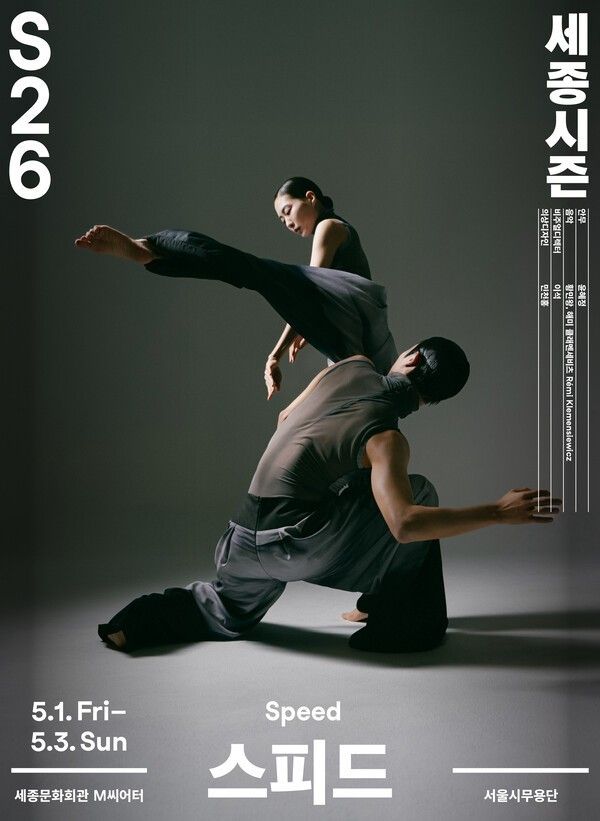
Seoul Metropolitan Dance Theatre’s “Speed” explores the flow of time and shifts in tempo through “jangdan,” the rhythmic framework at the core of Korean traditional dance. Beginning with a slow, measured breath, the piece builds toward extreme tempo before returning to stillness, expressed through the dancers’ movements. Artistic director Yoon Hye-jung conceived the work as a way to revisit modern society’s sense of speed within the extended breath of Korean dance. By merging tradition-based aesthetics with contemporary imagination, the production aims to expand the expressive boundaries of the company.
The performance opens on May 1 at the Sejong Center M Theater. Unlike its premiere, which was staged at the 300-seat S Theater, this revival expands to the 600-seat M Theater, presenting a more amplified scale. The stage structure also evolves. While the original used a black-box format with a full LED floor viewed from above, the new version adopts a proscenium stage to emphasize more dramatic visual compositions.
The entire stage is designed with the form of the traditional drum janggu as its central motif. At the positions corresponding to the drum’s heads, live musicians and media artists are placed, creating an interplay of sound and visuals. Within this giant janggu-shaped space, dancers move as audiences experience the rhythm expanding throughout the theater in a multidimensional way.
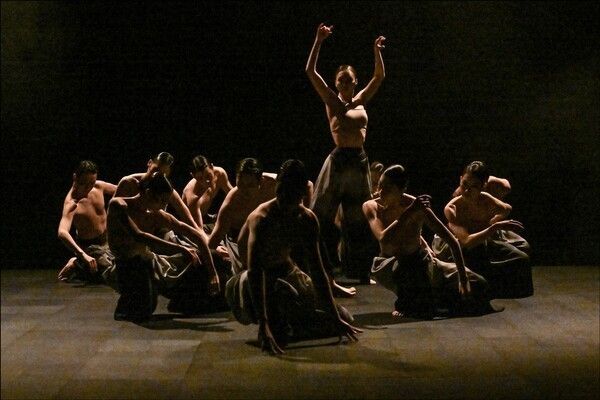
Traditional Korean music, electronic sound, and media art converge on stage. Hwang Min-wang, a percussionist from SMTO Muso-eum and the band Black String, joins forces with Haemi Clemencevitz, a musician and visual artist working between Marseille and Seoul, along with new media artist Lee Seok. Together, they respond in real time to the dancers’ movements through live performance and visual work, intensifying the energy of the stage.
A highlight comes in the middle of the performance with an improvised solo. A single dancer moves without predetermined choreography, while the music evolves spontaneously in response. No two performances are the same. Kim Min-ji and Noh Yeon-taek of the Seoul Metropolitan Dance Theatre, both praised in the premiere, return to present this improvisational sequence.
The work stems from a broader inquiry into the identity of contemporary Korean dance. At its origin lies the janggu and its rhythmic patterns, which have shaped diverse repertoires of Korean dance. The production asks what contemporary dance can contain and what it can resonate with today. It arrives at the idea that the diversity and expansiveness of jangdan can drive the evolution of movement, choosing the janggu as a medium to narrate the story of speed.
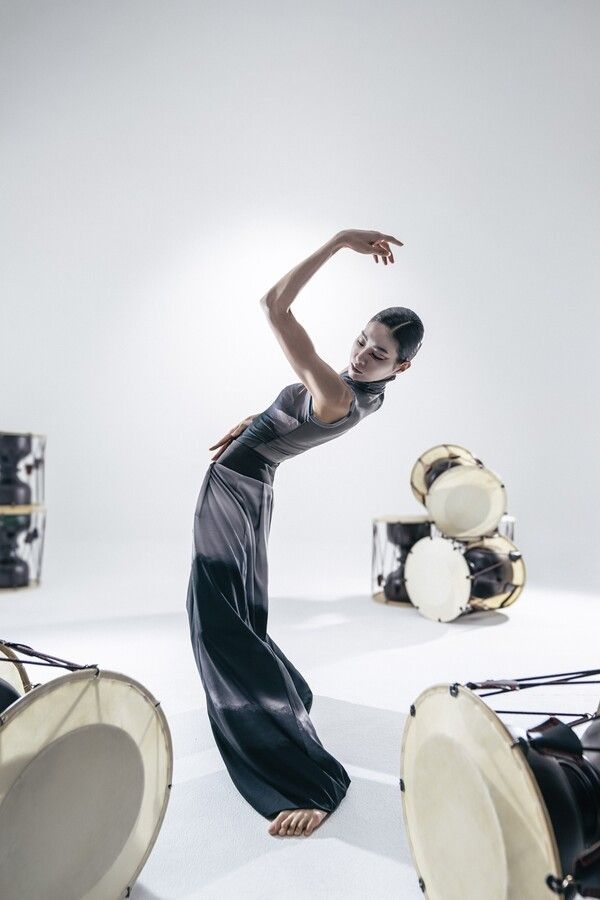
Ultimately, “Speed” focuses on the differences in individual tempo. It questions what awaits beyond the peak of the speed modern life demands. Each dancer becomes a physical vibration within the resonating body of the janggu. The stage transforms into a space of rhythm, where movements accelerate from beat to off-beat, building toward increasing velocity.
Earlier this year, Seoul Metropolitan Dance Theatre gained international recognition by winning the “Best Choreographer/Creator” award at the Bessie Awards in New York for its repertoire “One Dance.” “Speed” carries added significance as the company’s first production of the year following that achievement.
Reported by News Culture M.J._mj94070777@nc.press
Copyright ⓒ 뉴스컬처 무단 전재 및 재배포 금지


