The consumer price index rose 2.0 percent from a year earlier in February to 118.40 (2020=100), unchanged from January, according to data released Thursday by Statistics Korea.
On a monthly basis, prices increased 0.3 percent, driven by gains in services, agricultural products and utilities even as industrial goods declined.
Service prices rose 2.6 percent from a year earlier, with personal services climbing 3.5 percent, the fastest pace since January 2024.
The increase was largely attributed to higher travel and accommodation costs during the Lunar New Year holiday.
Prices for overseas package tours jumped 10.1 percent, domestic group tours 9.5 percent, and hotel accommodation 12.8 percent from a year earlier. Car rental charges surged 37.1 percent, marking the sharpest increase since related data began in 1995.
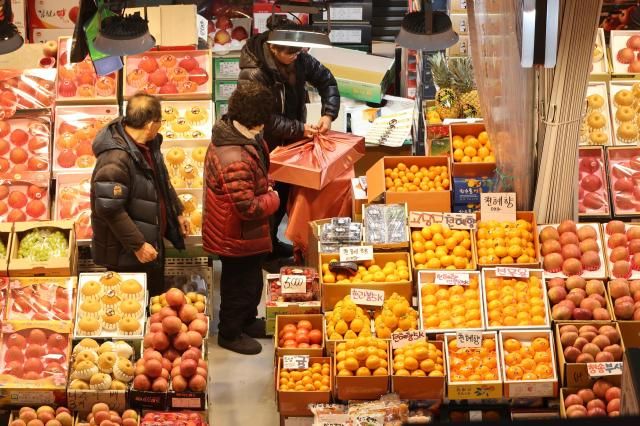
Food and agricultural prices showed mixed movements. Agricultural, livestock and fishery products rose 1.7 percent from a year earlier, slowing from 2.6 percent in January. Vegetable prices dropped 5.9 percent, reflecting improved supply and a base effect from the previous year.
Livestock prices rose 6.0 percent, the fastest increase in six months, with pork up 7.3 percent, domestic beef 5.6 percent, and eggs 6.7 percent.
Industrial goods prices increased 1.2 percent, while processed food prices rose 2.1 percent, easing from 2.8 percent the previous month. Officials partly attributed the slowdown to seasonal Lunar New Year promotions and a base effect from last year.
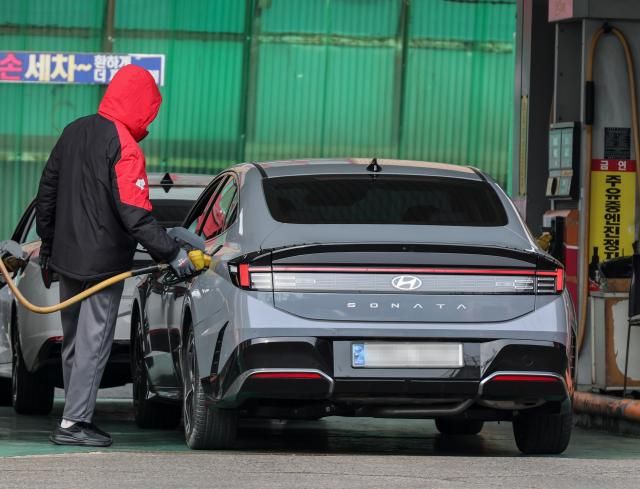
Petroleum prices fell 2.4 percent from a year earlier, pulling down the overall inflation rate by 0.09 percentage point as global oil prices eased.
However, the recent spike in fuel prices following the outbreak of conflict in the Middle East has not yet been reflected in the February data.
Gasoline prices climbed about 8 percent over the past week following U.S.-Israeli strikes on Iran that escalated into a broader regional crisis.
Core inflation indicators remained slightly above the headline figure. The core CPI excluding food and energy rose 2.3 percent, while another core measure excluding agricultural products and petroleum climbed 2.5 percent.
The living cost index, which tracks frequently purchased items, rose 1.8 percent, sharply lower than the near 3-percent levels seen in late 2025.
The fresh food index — often referred to as “table inflation” — fell 2.7 percent from a year earlier, the sharpest decline since May last year.
Officials said the stability could be disrupted by Middle East tensions that brought the Strait of Hormuz — the choke point responsible for about 80 percent of South Korea’s crude oil shipments — into focus, along with rising shipping fees from disruptions to maritime traffic.
Copyright ⓒ Aju Business Daily 무단 전재 및 재배포 금지


