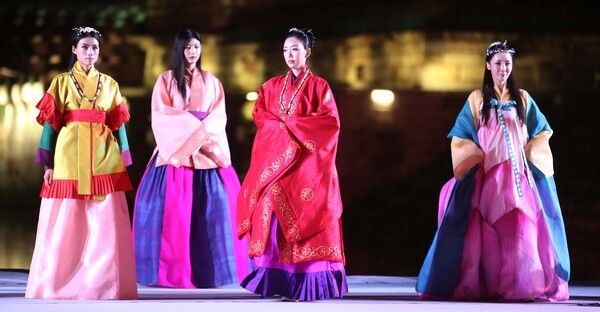
Hanbok, the traditional attire of Korea, is a cultural artifact that has carried within it the Korean body, society, nature, hierarchy, and worldview across thousands of years. Fabrics shifted with the seasons. Colors and patterns varied according to social order. Forms changed depending on the setting of life. From the solemn ceremonies of royal palaces to the modest routines of village homes, hanbok has preserved the breath of each era and the lived realities of its people.
The vivid hues and flowing lines displayed in Joseon palaces, alongside the restrained and modest silhouettes sustained among commoners, coexist within the single frame of hanbok. It stands as both a historical record and a reflection of social status, cultural values, and the identity of individuals and communities within Korean tradition.
Within the structured hierarchy of the Joseon Dynasty, hanbok was meticulously regulated. Royalty and the yangban elite expressed authority through yellow, blue, and red tones, gold-thread embroidery, and elaborate ornamentation. Patterns, color combinations, and even the number of decorative elements were strictly controlled. Garments worn for state rituals followed codified conventions.
In contrast, commoners relied primarily on cotton and ramie, favoring practical garments suited for mobility and labor. Colors and motifs were limited, and functionality prevailed. These distinctions reveal that hanbok was not merely clothing but a visual device that articulated social order.
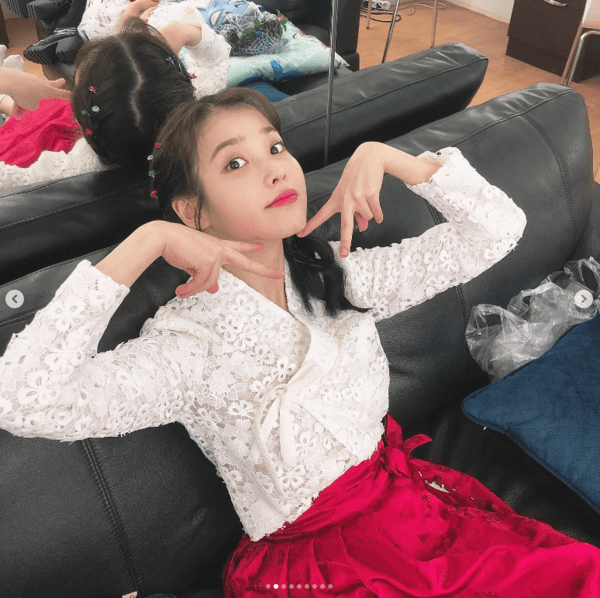
Hanbok was also distinguished by context. Everyday hanbok featured clean lines and generous silhouettes appropriate for household work and outdoor activity. Ceremonial hanbok, worn for weddings, ancestral rites, and other major communal milestones, displayed richer ornamentation and color.
By the late Joseon period, even among commoners, a movement emerged toward incorporating diverse colors into daily hanbok, expressing individuality. As dress codes loosened, clothing gradually expanded into a medium reflecting personal taste and aesthetic sensibility. This evolution forms the foundation of today’s experimental palettes and reinterpretations in hanbok design.
Material choice likewise reflected social context. Royal and elite garments employed silk, fine gauze, and gold thread to emphasize dignity and refinement. Commoners turned to ramie, hemp, and cotton, adapting attire to climate and labor conditions. Fabric selection functioned not only as an economic indicator but also as a symbolic marker of social hierarchy.
Through the Japanese colonial period and modernization, hanbok gradually receded from the center of daily life. As Western attire spread, hanbok became confined largely to ceremonies and special occasions. The shift from everyday wear to ritual attire illustrates how historical change reshaped dress culture.
In the 1960s and 1970s, it remained common to wear hanbok for weddings and major holidays such as Lunar New Year and Chuseok. During this period, hanbok continued to symbolize family and community, though its function as daily clothing had nearly disappeared.
Since the 1990s, creative reinterpretations by younger designers have ushered hanbok into a new phase. While preserving traditional silhouettes, designers restructured forms to align with contemporary lifestyles. Hanbok began offering new aesthetic experiences on fashion runways and at cultural events.
Modern hanbok stands at the intersection of tradition and contemporary sensibility. Its distinctive colors and curved lines endure, yet adjustments prioritize comfort and mobility. This demonstrates that hanbok is not confined to the past but exists as a living, evolving cultural form.
The colors and patterns of hanbok carry layered symbolism. The five cardinal colors reflect cosmological principles and the philosophy of yin and yang and the Five Elements. Gold-thread embroidery and specific motifs symbolized auspiciousness and authority. Shifts in popular colors and ornamentation serve as indicators of broader social moods and aesthetic change.
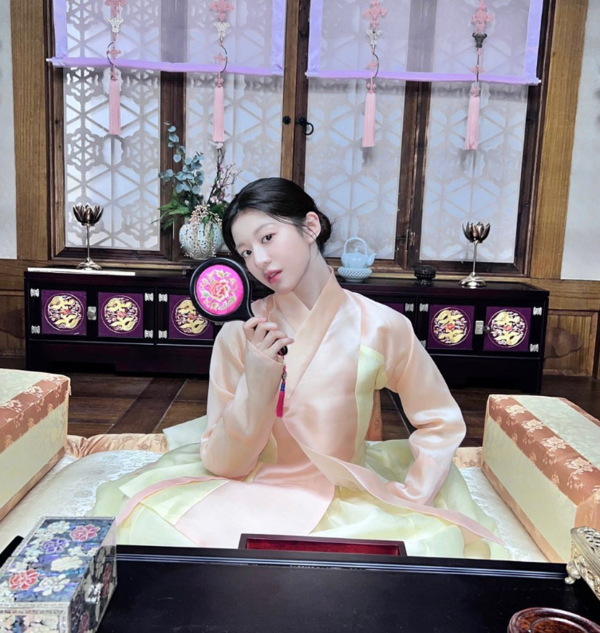
Today, hanbok functions as a powerful visual device within global cultural content. In K-dramas, K-pop performances, international exhibitions, and fashion stages, hanbok communicates Korean aesthetics with immediacy. It operates as an image asset symbolizing cultural identity.
Spaces for experiencing hanbok continue to expand. In hanok villages, regional festivals, and cultural programs, citizens wear hanbok while engaging simultaneously with historical memory and contemporary sensibility. The act of wearing becomes cultural participation and an expression of identity.
Ultimately, hanbok is both a cultural record that has contained the values and hierarchies of each era and a living symbol continually reinterpreted within a changing society. The temporal journey of hanbok, stretching from Joseon palaces to modern urban landscapes, parallels the historical path of Korean society itself.
Reported by News Culture M.J._mj94070777@nc.press
Copyright ⓒ 뉴스컬처 무단 전재 및 재배포 금지


