Museums in 2026 are transforming from static exhibition spaces into dynamic hubs of experiential education. Major institutions including the National Museum of Korea are moving beyond passive viewing of cultural heritage and introducing customized programs that incorporate artificial intelligence and immersive digital technologies.
After welcoming over 6.5 million visitors last year, the National Museum of Korea has designated 2026 as the first year of its transition toward a “museum for everyone.” To ease visitor congestion, the museum will move up its opening time by 30 minutes to 9:30 a.m. starting March 16. It will also strengthen its “Five Senses in Space” program, allowing both visually impaired and non-disabled visitors to experience the Pensive Bodhisattva (a national treasure bronze statue) through touch, scent, and sound. The initiative reflects a shift from one-way knowledge delivery to a participatory model centered on shared appreciation.
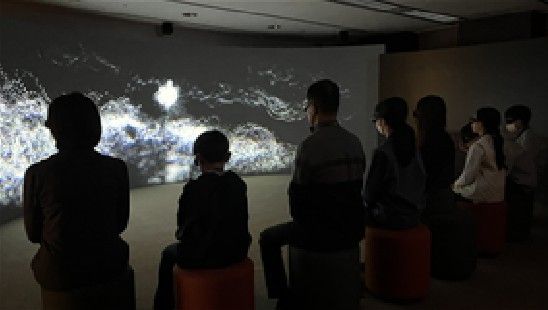
Expansion of the Children’s Museum is another key initiative. The National Museum of Korea has taken the first step in a mid- to long-term plan to double the size of its Children’s Museum by 2029, aiming to nurture future generations of visitors.
The National Folk Museum of Korea will launch four experiential education programs in March, designed to help teenagers proactively explore folk culture and learn practical life wisdom. Moving beyond traditional lecture-style instruction, the programs are tailored to youth perspectives.
The “Unexpected Café Owner” program reinterprets the 24 solar terms and seasonal customs as modern café seasonal menu recipes, extending tradition into everyday life. “Reverse Job World” encourages participants to design their own career paths by examining historical changes in occupations, while “Calm Stroll Through the Museum” offers a self-directed tour aimed at relieving adolescent stress. “Museum Teens,” created for youths from multicultural backgrounds, provides in-depth experiences of diverse food, clothing, and housing traditions while supporting cultural inclusion and social adaptation.
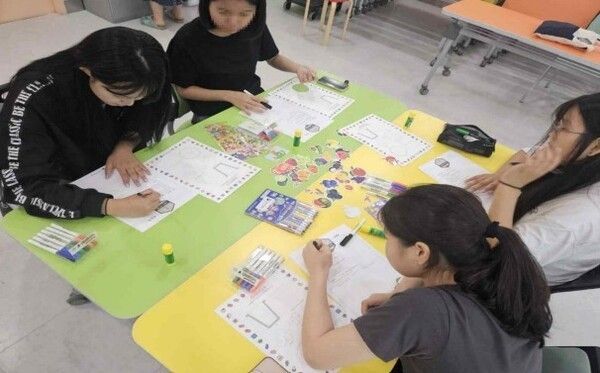
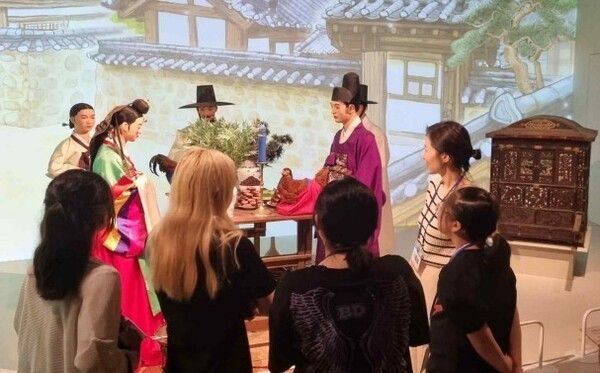
Regional museums are also lowering barriers to education through digital innovation. The Uiseong Jomunguk Museum will operate the “Jomunguk Space-Time Mission Adventure” during May’s Museum Week, combining AI missions with on-site exploration so children can learn history in a game-like format.
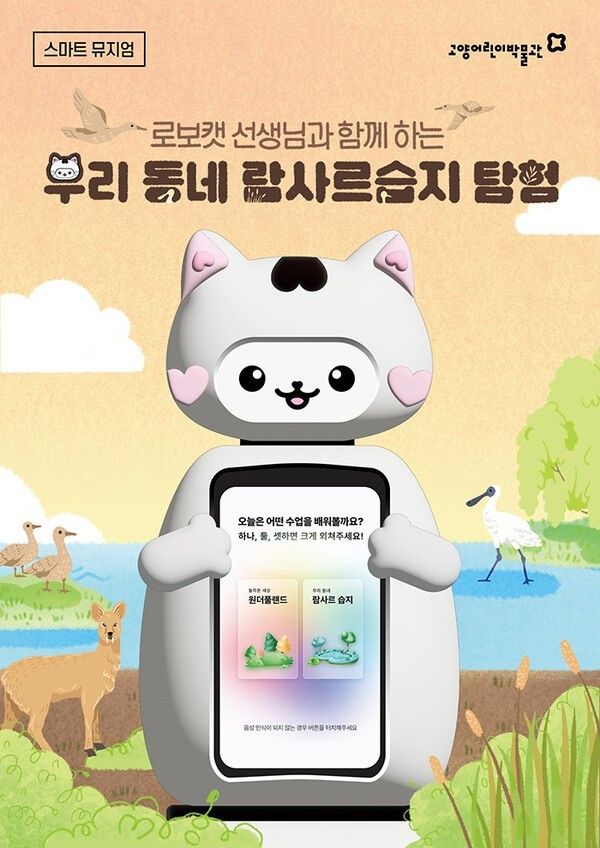
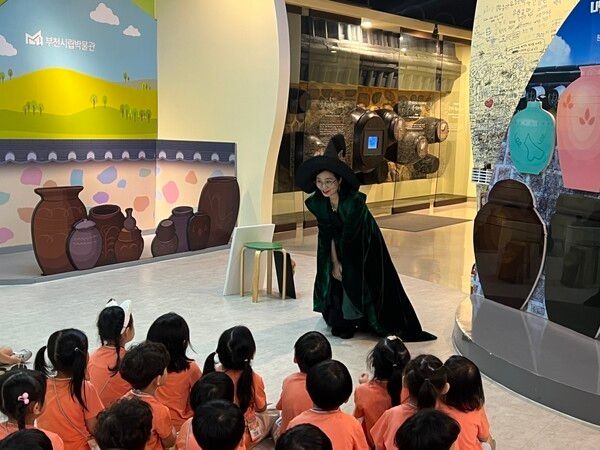
The Goyang Children’s Museum operates “Smart Museum on the Move,” visiting schools with limited cultural access. In the first half of the year, it will connect the elementary curriculum with ecological education on the Janghang Wetland through smart devices. Bucheon City Museum has strengthened its customized system, offering sensory education for preschoolers, intergenerational communication programs for families, and pottery workshops tailored to different visitor groups.
Museums this year are evolving beyond their traditional role as repositories of artifacts into educational hubs fostering intergenerational communication. An official from the National Museum of Korea said museums are no longer confined to presenting records of the past but are becoming dynamic plazas that connect the present and the future through AI-integrated, technology-driven experiences.
Reported by News Culture M.J._mj94070777@nc.press
Copyright ⓒ 뉴스컬처 무단 전재 및 재배포 금지


