“Stories of life heard through the ears, the breath of an era conveyed through sound.”
The National Changgeuk Company of Korea presents the lecture concert Sorijeongdam – Kim Young-ja, Kim Il-gu Edition, which will meet audiences on February 4 and 5, 2026, at Haneul Theater of the National Theater of Korea. This performance is a special stage where audiences can experience the historical and cultural significance of pansori and changgeuk, as well as the lives and artistic philosophies of master singers, all in one place.
Sorijeongdam is a lecture concert in which master singers unfold their artistic worlds and life stories in a conversational format. Along with the resonating sound on stage, the audience can simultaneously encounter the performers’ lived experiences and the traditional contexts of pansori and changgeuk.

The performers are Kim Young-ja, holder of the National Intangible Cultural Heritage of pansori Simcheongga, and Kim Il-gu, holder of Jeokbyeokga. Both are masters who have carried on the pansori tradition through performances at home and abroad, occupying an unrivaled position in interpretation and depth of sound.
Kim Young-ja is a singer who has completed full performances of all five madang of pansori: Simcheongga, Chunhyangga, Sugungga, Jeokbyeokga, and Heungboga. She received the Presidential Prize in the Master Singer Division at the Jeonju Daesaseup Nori in 1985, entering the ranks of great masters, and served as a leading actress in major productions of the National Changgeuk Company of Korea. Her sound is characterized by delicate changes in tone color, with rhythms and breathing closely linked to the psychology of characters. In the scene “Sim Bong-sa Opens His Eyes,” she embodies subtle emotional shifts and tension through breath and pitch, drawing the audience deeply into the narrative and inner lives of the characters.
Kim Il-gu is known as a versatile master in the Korean traditional music world, excelling not only in pansori but also in ajaeng and gayageum sanjo. He studied ajaeng sanjo under Jang Wol-jungseon and Gangtaehong-style gayageum sanjo under Won Ok-hwa. After completing a full performance of Jeokbyeokga, he has conveyed epic tension and grandeur on stages at home and abroad, allowing audiences to experience both historical events and human psychology. His sound is powerful and bold, and his instrumental performances on the ajaeng and gayageum amplify dramatic effect. In “The Battle of Red Cliffs,” he expresses the urgency of combat through sound, aligning rhythm and breath with dramatic tension so that pansori transcends music to become historical narrative.
Both masters contributed to the popularization of changgeuk through the 1987 madanggeuk Ppaengpa-jeon. This work humorously adapted key characters from Simcheongga, incorporating social satire and folk humor. Kim Il-gu played Sim Bong-sa and Kim Young-ja portrayed Ppaengdeok Eomeom, combining acting, dance, and singing to create a landmark production that brought changgeuk closer to the public.
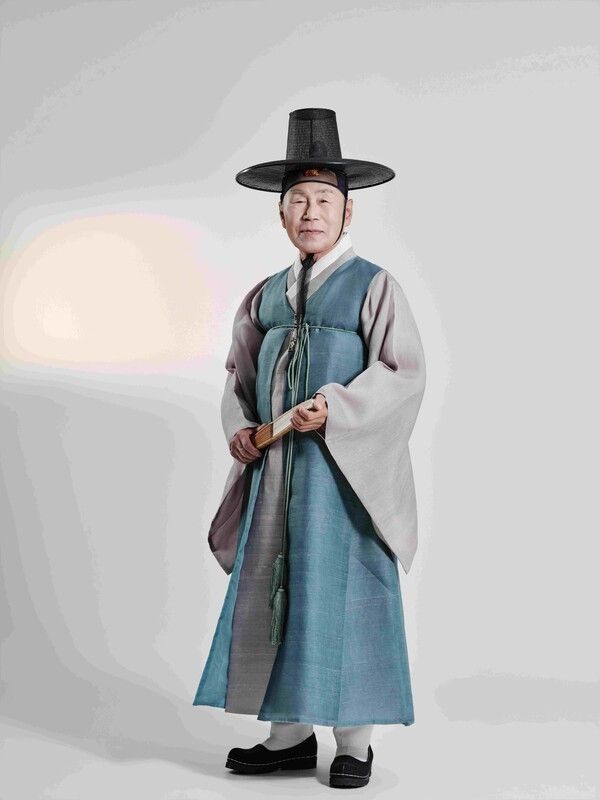
The program features a wide range of works, including the masters’ representative repertoires Simcheongga and Jeokbyeokga, as well as excerpts from Chunhyangga and Sugungga, folk songs, sanjo, and short changgeuk scenes. Each piece contains narrative structure, human emotion, and social context, allowing audiences to experience the multilayered meaning of traditional arts.
Simcheongga tells a story of filial piety, sacrifice, and salvation, reflecting the human image of late Joseon society. Through Sim Cheong’s devotion and Sim Bong-sa’s transformation, it illuminates both the human interior and social relationships. Kim Young-ja delicately conveys character psychology in the scenes “Sim Bong-sa Opens His Eyes” and “Meeting Ppaengdeok,” guiding audiences to empathize with the story’s emotions. The rhythms, diction, and subtle melodic changes form an inner narrative, showing the essence of her interpretation.
Jeokbyeokga is a pansori epic based on historical events, depicting battles, strategies, human will, and fate. Originally derived from Chinese novels about warfare, it was reinterpreted in Joseon pansori with Korean narrative and musical devices. Kim Il-gu realizes majestic soundscapes and dramatic tension through “The Battle of Red Cliffs” and ajaeng sanjo, enabling audiences to experience both historical events and inner human conflict. His performance reveals the charm of pansori as a fusion of history and psychology.
Chunhyangga centers on themes of status, love, and loyalty. Through the love between Chunhyang and Yi Mong-ryong, it portrays contradictions of the class system and delicate human relationships. In the “Bridal Procession” scene, Kim Young-ja expresses both Chunhyang’s innocence and the constraints of the era, offering strong dramatic immersion.
Sugungga explores relationships between humans and animals, and between nature and humanity, rich in social allegory and symbolism. Kim Young-ja’s vocal contours and breathing in the “Yak Seong-ga” scene vividly convey its symbolic meanings, revealing themes of human desire, natural order, and moral choice.
On the first day, Kim Young-ja will perform the short song Gwandong Palgyeong, “Bridal Procession” from Chunhyangga, “Yak Seong-ga” from Sugungga, and the folk song Hwacho Sageori. Kim Il-gu will present “Mother and Daughter Reunion” from Simcheongga, gayageum sanjo, and the short changgeuk scene “The Royal Inspector Meets His Mother-in-law,” combining narrative and musical tension.
On the second day, Kim Il-gu will perform the short song Gangsan Pungwol, “The Battle of Red Cliffs,” and ajaeng sanjo, displaying a grand and bold sound world. Kim Young-ja will present “Sim Bong-sa Opens His Eyes,” “Meeting Ppaengdeok,” the Namdo folk song Yukjabaegi, and the short changgeuk scene “The Royal Inspector and the Woodcutter.” Their contrast and harmony vividly reveal the multilayered charm of pansori.

The drummer for the performance is Kim Tae-young, an inheritor of the National Intangible Cultural Heritage of Jindo Sitgimgut. His rhythms and drum sounds support the master singers, vividly conveying the pulse and breath of traditional pansori. The interaction between singer and drummer is a core attraction of pansori performance.
The artistic director and head of the National Changgeuk Company of Korea, Yoo Eun-seon, will direct, narrate, and host the concert, naturally unfolding the masters’ stories and guiding the audience through the cultural and historical meanings embedded in pansori and changgeuk. Through her explanations, audiences can better understand the background, genre characteristics, and artistic choices of the masters.
Kim Young-ja has served as chairperson of Ongoeul Soricheong and head of the Jeonbuk Provincial Gugak Center Changgeuk Company, and has received numerous national awards, including presidential prizes. Kim Il-gu, also the head of Ongoeul Soricheong, has garnered many awards in pansori, instrumental music, and changgeuk, introducing the value of traditional arts on domestic and international stages.
Sorijeongdam is a stage where performance, education, and historical commentary converge, allowing audiences to experience the sound and lives of master singers as well as the cultural context of pansori and changgeuk. It offers an opportunity to understand traditional arts and human narratives with a contemporary sensibility, and to deeply reflect on the artistic paths of the masters and the meaning of tradition.
By reading together the world of pansori and changgeuk, the lives and artistic philosophies of master singers, and the present and future of traditional music, Sorijeongdam promises to be a precious experience that allows not only enthusiasts of traditional arts but also general audiences to feel the profound depth of Korean culture.
Reported by News Culture M.J._mj94070777@nc.press
Copyright ⓒ 뉴스컬처 무단 전재 및 재배포 금지


