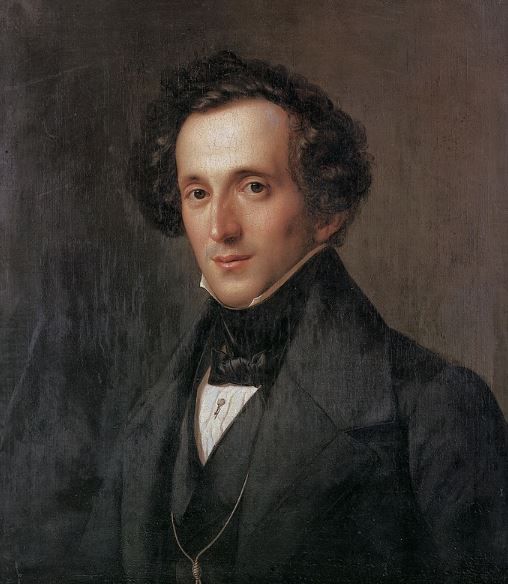
[News Culture] The orchestra never gets the chance to introduce the story. Before a grand opening can unfold, a lone violin steps forward and begins to speak. Its voice is gentle yet searching, unfolding with the quiet urgency of emotions that have waited too long to be heard. From its very first note, Felix Mendelssohn's Violin Concerto in E Minor, Op. 64 invites listeners into a deeply personal musical narrative.
The opening alone sets the work apart from nearly every concerto that came before it. Classical in structure yet unmistakably Romantic in spirit, the concerto abandons convention without sacrificing balance. Its three movements unfold almost without interruption, allowing one emotional thread to flow naturally into the next.
Completed over six years, between 1838 and 1844, the concerto reflects Mendelssohn's careful search for equilibrium between formal clarity and expressive freedom. The result occupies a unique place in music history—rooted in Classical tradition while pointing decisively toward the Romantic future.
Composed for the celebrated violinist Ferdinand David, the work emerged through close collaboration between composer and performer. Their artistic partnership refined not only its technical demands but also the expressive possibilities that continue to challenge violinists today.
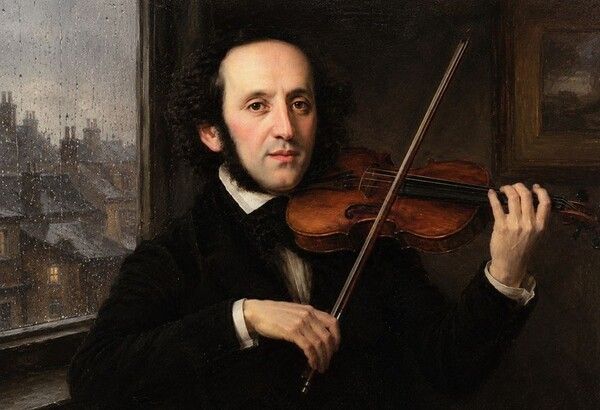
The concerto received its premiere in Leipzig in 1845 and immediately offered audiences a different way of listening. Virtuosity was no longer the sole purpose of the soloist. Instead, the violin became the storyteller, with the orchestra serving not as an accompaniment but as an equal dramatic partner.
Its most celebrated innovation arrives in the opening seconds. Earlier concertos typically reserved the first statement of the principal theme for the orchestra before introducing the soloist. Mendelssohn reversed that order. The violin enters almost immediately, establishing the emotional landscape before the orchestra has fully spoken. It was a bold departure from convention, and one that would influence generations of composers.
Throughout the concerto, the solo violin carries the emotional weight of the narrative. One moment its voice is intimate and restrained; the next it expands into soaring lyricism edged with quiet desperation. Rather than dazzling for its own sake, every phrase serves the unfolding drama.
Nowhere is this more apparent than in the first movement. Its principal theme sings with remarkable tenderness, sustained by an undercurrent of unresolved tension. The music seems less concerned with displaying brilliance than with revealing vulnerability, giving the impression of a voice struggling to contain overwhelming emotion.
The seamless connection between movements further distinguishes the work. Instead of drawing clear boundaries between musical chapters, Mendelssohn allows each movement to grow organically into the next. The transition from the first movement to the second is especially striking, preserving the emotional momentum rather than interrupting it with applause or silence.
Another breakthrough lies in the treatment of the cadenza. Traditionally placed near the conclusion of a movement as a showcase for technical display, it appears here within the development section itself. Virtuosity becomes part of the musical argument rather than an interruption to it, integrating technical brilliance into the concerto's larger dramatic architecture.
These innovations were no accident. Mendelssohn's deep admiration for Johann Sebastian Bach had given him an enduring respect for structural clarity, while his own artistic voice embraced the expressive ideals of Romanticism. The concerto stands at the meeting point of those two traditions, achieving a balance that few works of the nineteenth century could match.
As many composers of the period pursued ever-greater displays of virtuosity, Mendelssohn chose another path. He imagined the concerto not as a contest between soloist and orchestra, but as a shared musical conversation. Technique remained essential, yet it was always placed in the service of expression and narrative.
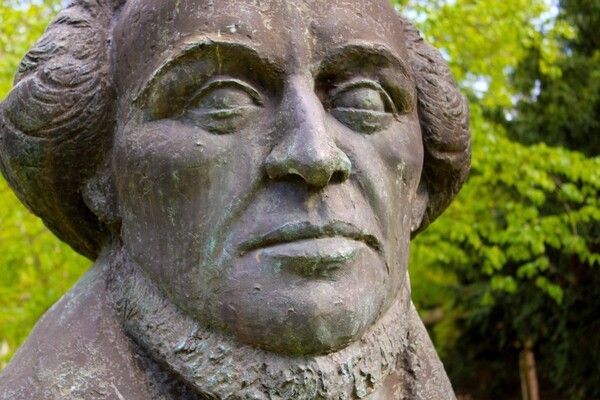
The concerto's influence reached far beyond its own era. Later masterpieces by Johannes Brahms and Pyotr Ilyich Tchaikovsky reveal traces of Mendelssohn's approach, particularly in the way formal discipline and emotional immediacy coexist. His rethinking of the concerto became one of the defining models of the Romantic repertoire.
Its importance extends beyond the concert stage. For generations of violinists, the concerto has served as both a technical milestone and an artistic rite of passage. It demands precision, imagination and emotional maturity in equal measure, leaving ample room for each performer to shape a distinctive interpretation.
As Mendelssohn's final large-scale orchestral masterpiece, the work represents the culmination of his musical vision. Nearly two centuries after its premiere, it remains one of the most frequently performed violin concertos in the world—not simply because of its beauty, but because every performance reveals something new.
Violin Concerto in E Minor, Op. 64 changed what a concerto could be. By allowing lyricism to carry as much weight as virtuosity, and by weaving Classical discipline into a deeply Romantic voice, Mendelssohn created a work that continues to speak with remarkable freshness. Each new performance begins the same way: a single violin breaks the silence, and the story begins again.
Reported by News Culture M.J._mj94070777@nc.press
Copyright ⓒ 뉴스컬처 무단 전재 및 재배포 금지
본 콘텐츠는 뉴스픽 파트너스에서 공유된 콘텐츠입니다.


