From Western classical heritage to Korean traditional music, a K-pop-driven experiment expands across the entire K-content landscape
What began in K-pop as a trend of “wearing the classics” is evolving into a broader cultural current that spans Western classical music and Korea’s own traditional heritage, often referred to as K-Classic.
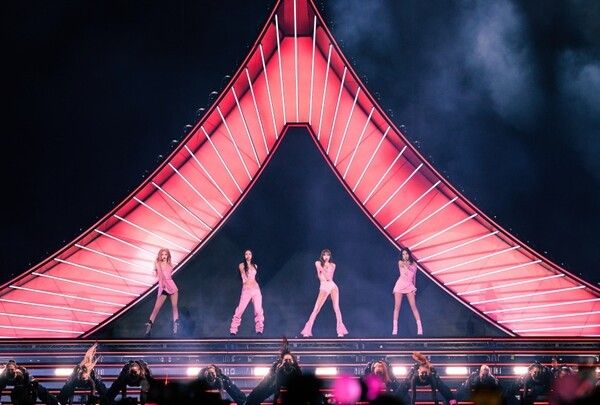
What was once limited to idol music is now extending across K-content intellectual properties, including animation and television dramas. This shift signals not merely genre fusion but an accelerated expansion of cultural boundaries.
◇ K-Pop Takes Flight on the Twin Wings of East and West
In its early phase, K-pop’s engagement with classical music focused on sampling Western classical masterpieces to elevate musical prestige. More recently, however, the movement has grown bolder, embracing Korean traditional music and moving toward a distinct form of K-artistry.
The use of Western classical music has already reached a systematized stage. Beyond hit songs by acts such as Red Velvet and BLACKPINK that incorporate classical samples, SM Entertainment’s “SM Classics” project has reimagined its own intellectual properties as full orchestral works and presented them in dedicated theaters, establishing a new industry model.

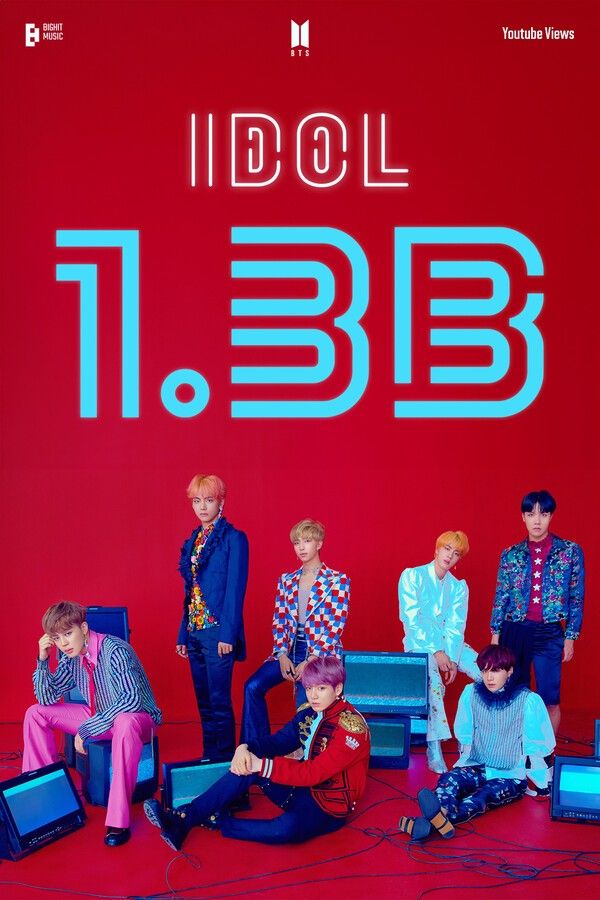
Adding what many describe as “the most Korean sense of rhythm” has amplified the impact. Songs such as VIXX’s “Shangri-La,” ONEUS’s “Lit,” and BTS’s “IDOL” fuse traditional Korean rhythmic calls and melodies with contemporary beats, imprinting a distinctly Korean aesthetic on global audiences. More recently, this approach has expanded even into the realm of virtual artists, with projects like the virtual girl group SaRyeongHwa adopting traditional music concepts. As a result, K-pop has come to resemble a comprehensive art form capable of freely navigating both Eastern and Western classical traditions.
◇ Beyond Idols: A Rediscovery of IP Value Across K-Content
Notably, this creative grammar is now spreading beyond the idol market to the broader K-content ecosystem. Original soundtracks for dramas and animated works are increasingly treated as standalone artistic creations, no longer confined to background music but reinterpreted through orchestral and traditional Korean collaborations.
This represents a sophisticated strategy to enhance the longevity and value of K-content intellectual properties. By reimagining the music of globally successful animations and dramas through classical orchestration or traditional Korean crossover arrangements, producers are expanding the audience base from subculture fandoms to classical music enthusiasts. Respecting each genre’s inherent rhythm while translating it through a modern lens is helping elevate the artistic caliber of K-content.
◇ The Jan. 7 New Year Concert and the Current State of an Expanded K-Classic
The “2026 New Year Concert,” hosted on Jan. 7 by Korea’s Ministry of Culture, Sports and Tourism, offers a representative example of this expanded K-content spectrum.
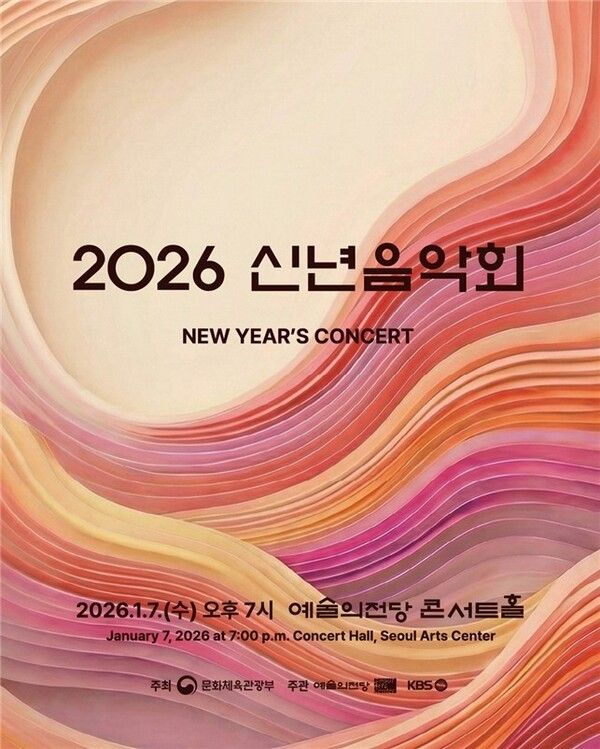
The program places traditional court music alongside Western classical concertos, while also presenting orchestral and traditional Korean crossover arrangements of original soundtracks from globally popular animations and dramas.
This approach demonstrates how K-pop and K-content have absorbed both Western classical music and Korean tradition as twin pillars, securing diversity and depth as contemporary classics of their time.
An industry insider commented, “In the past, there was an invisible wall between popular culture and fine arts. Today, within the broader framework of K-content, those boundaries have become largely meaningless,” adding that “experiments that began with K-pop idols are now raising the artistic caliber of K-content as a whole.”
Reported by News Culture M.J._mj94070777@nc.press
Copyright ⓒ 뉴스컬처 무단 전재 및 재배포 금지
본 콘텐츠는 뉴스픽 파트너스에서 공유된 콘텐츠입니다.


