
SEOUL, October 17 (AJP) - A never-before-seen performance at NPR's Tiny Desk Concert, a prestigious music series showcasing global musicians, captivated music enthusiasts in 2016. A trio, comprising of one female and two male singers, performed songs that echoed the sound of shamanic hymns, backed by Western instruments.
The group, Ssing Ssing, fused traditional Korean folk songs with modern Western sounds, presenting a captivating blend of past and present. The male performers wore exaggerated accessories and bold hairstyles — an afro perm and silver-dyed bob — challenging the norms of the country's conservative traditional music scene.
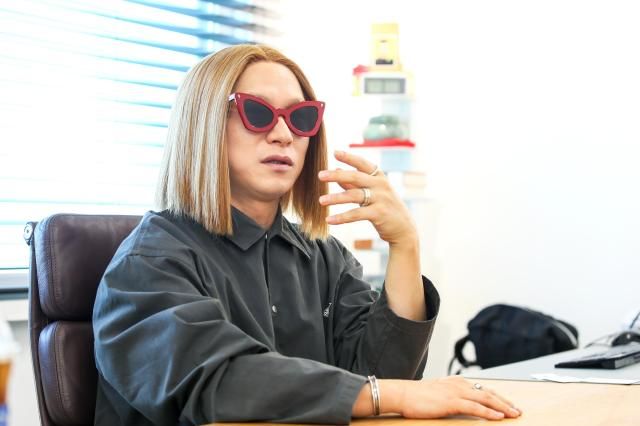
Lee compared the fading presence of folk songs to the disappearance of seasonal birds. "Swallows used to be everywhere, but now you rarely see them in cities. It's the same with folk songs — they were once ubiquitous on stage, TV, and radio, but now they've nearly vanished from the media as people became overly protective of them."
He emphasized that tradition doesn't mean conservatism. "Our music evolved with the times. Folk songs were part of everyday life, but at some point, their development stalled because people became too protective of their cultural heritage," Lee said during an interview.
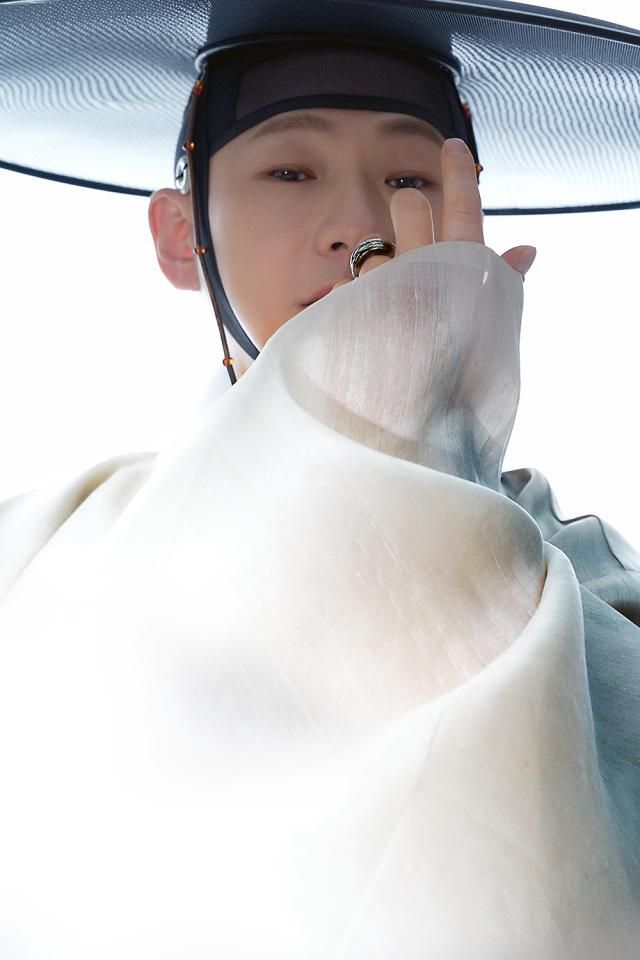
Traditional Korean music, or Gugak, is often associated with formality, with performers typically wearing hanbok and gat (a nobleman's hat). Yet, it struggles to appeal to younger people, who often prefer pop and hip-hop.
"Not all traditional Korean music is stiff or formal," Lee added. "Folk songs were informal. People would take turns sharing their stories, often with dark humor. The tone and style of a song changed depending on the singer." He also pointed out that the high demand for folk music in the past left little room for artistic growth, as many artists focused on earning money from performances.
To keep his music evolving, Lee blends traditional sounds with contemporary genres. "Transforming traditional Korean music, which is based on a three-beat rhythm, into Western music's four-beat rhythm is a difficult process — but it's where I find joy. It's my specialty," he said.
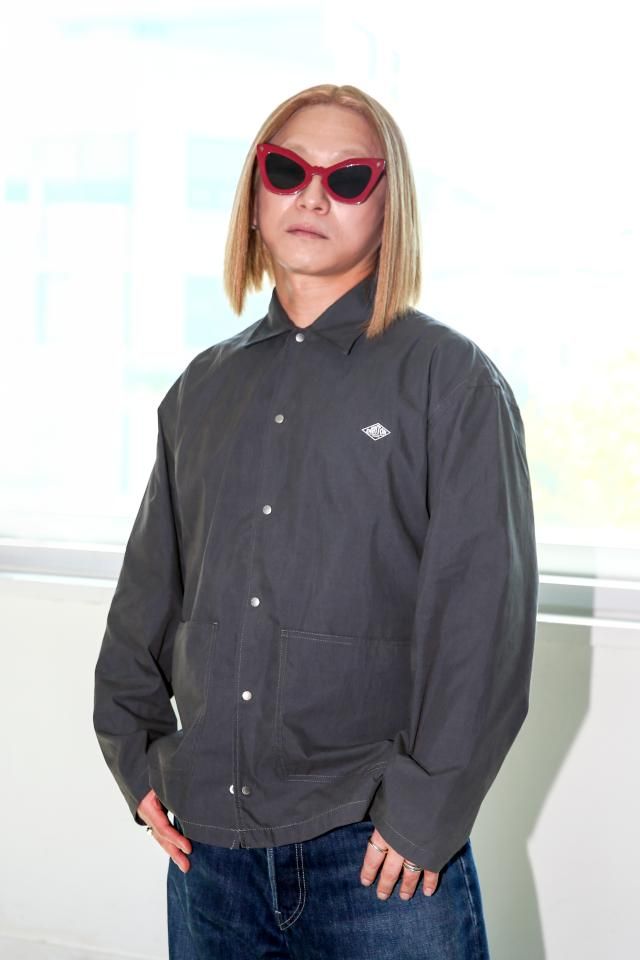
"It's like playing ping-pong with musicians who specialize in Western music. I serve, they return, and we go back and forth. Instead of a ball, it's the songs we're passing between each other," Lee explained, noting that this collaborative process is common in the Korean folk music tradition, where artists develop songs through musical dialogue.
Looking ahead, Lee plans to continue evolving his sound. "I'm working on a new project called Project Nal, launching in December. I want to create something raw and new while keeping the essence of traditional music," he shared.
"We, as traditional folk song artists, want to be heard and appreciated. We live to be consumed. I want to create an environment where Korean folk song artists can focus purely on their craft. That's my mission, and I'll keep working toward that goal," Lee concluded.
Copyright ⓒ Aju Business Daily 무단 전재 및 재배포 금지
본 콘텐츠는 뉴스픽 파트너스에서 공유된 콘텐츠입니다.
다음 내용이 궁금하다면?
광고 보고 계속 읽기
원치 않을 경우 뒤로가기를 눌러주세요


