Busan Harbor, once the gateway through which modern civilization entered Korea and now one of the world's busiest logistics hubs, has become the starting point for a new conversation about climate change, urban survival, and the future of humanity.
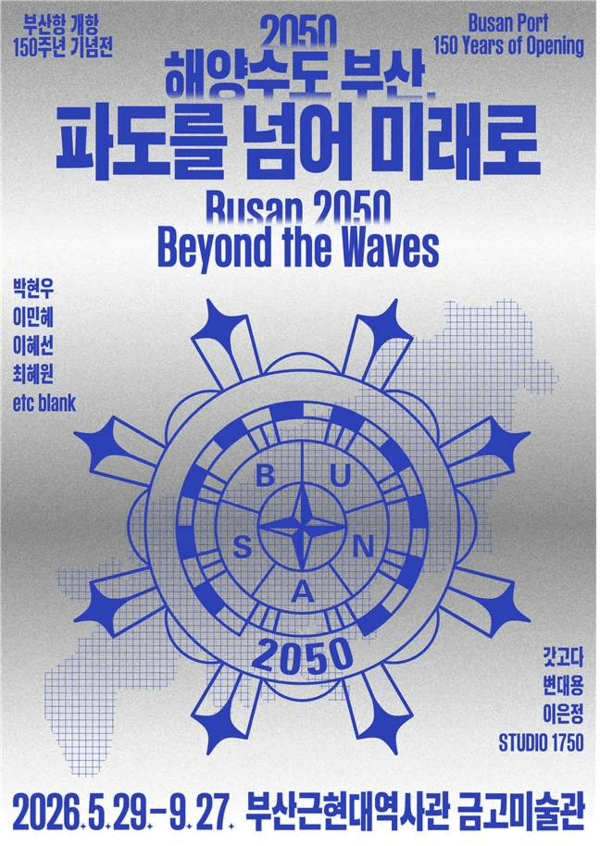
The Busan Modern and Contemporary History Museum is presenting the special exhibition 2050 Busan, Maritime Capital Beyond the Waves from May 29 through September 27 at the Geumgo Museum of Art, located on the basement level of its main building. Organized to commemorate the 150th anniversary of the opening of Busan Port, the exhibition brings together contemporary artists and creative teams including STDIO1750, Gazzoda, Byun Dae-yong, and Choi Hye-won.
Through painting, installation, visual design, and multimedia works, the exhibition imagines Busan's future amid rising sea levels and accelerating climate change.
Since its opening in 1876, Busan Harbor has stood at the center of Korea's modern history. It served as both a gateway for foreign influence and a site marked by the painful legacy of colonial exploitation. Through liberation, war, reconstruction, and rapid industrialization, it evolved into the nation's largest trade port and a key driver of global logistics.
The exhibition reinterprets Busan Harbor not only as an engine of economic growth but also as a future-oriented space where humanity confronts the challenges of climate change, develops new strategies for survival, and cultivates emerging maritime cultures.
Inside the exhibition, visitors encounter a speculative vision of Busan in 2050. Through a staged narrative, the works explore humanity's adaptability and creativity in response to environmental transformation.
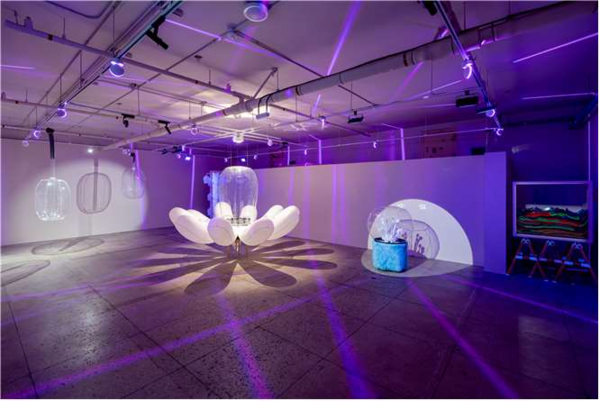
The first section, A New Dialogue Between Humanity and the Sea: Floating Cities, imagines life on floating urban platforms as rising sea levels gradually reduce habitable land. Through architectural concepts, design proposals, and ecological visions, the exhibition presents a future in which human civilization coexists with marine ecosystems and embraces sustainability through approaches such as upcycling and environmental integration.
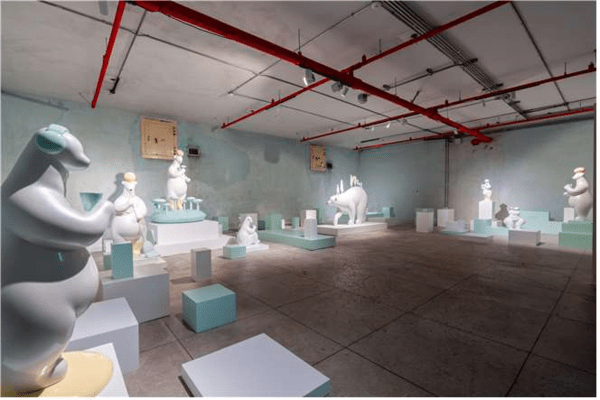
The second section, New Routes Opened by the Sea: The Harbor City of Art, examines the opportunities and risks created by emerging Arctic shipping routes as polar ice continues to melt. Through diverse artistic perspectives, the exhibition addresses the tensions between development, conservation, and environmental responsibility while envisioning the future of global port cities.
Set within the imagined timeframe of 2050, the exhibition encourages visitors to reflect on real-world challenges such as sea-level rise and Arctic navigation. Rather than focusing solely on technological solutions, it invites consideration of cultural and ecological approaches to survival.
By presenting future visions of Busan Harbor through artistic imagination, the exhibition ultimately reminds audiences that the environmental choices made today will shape the world of tomorrow.
2050 Busan, Maritime Capital Beyond the Waves transforms climate anxiety into a platform for reflection, asking how cities, communities, and individuals might navigate an uncertain future. Through contemporary art, it offers not predictions but possibilities—inviting viewers to imagine what lies beyond the waves.
Reported by News Culture M.J._mj94070777@nc.press
Copyright ⓒ 뉴스컬처 무단 전재 및 재배포 금지


