Competitive power in the content industry is increasingly shifting beyond actors, scripts, and directing toward visual language itself. In an era where emotional intensity and genre tension are shaped by color, texture, and tonal atmosphere, post-production companies are becoming central creative players within the storytelling process. Recent hit productions have drawn attention to this transformation through the growing industry presence of Westworld.
Westworld recently participated in DI (Digital Intermediate) color grading work for major productions including MBC drama Perfect Crown, horror film Salmokji, and JTBC historical drama Marble of God. Across romance, horror, and period genres, the company applied distinct visual strategies that reshaped the emotional temperature and texture of each project.
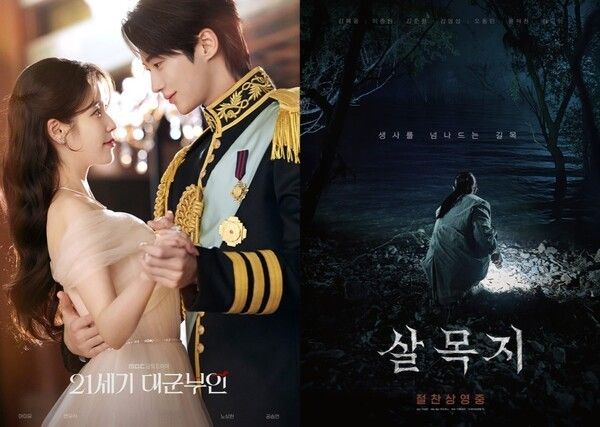
Particularly in Perfect Crown, a fictional constitutional monarchy romance starring IU and Byeon Woo-seok, Westworld emphasized restrained contrast and cold urban tones to reinforce the emotional distance and political tension surrounding the characters. The visual atmosphere surrounding Seong Hee-joo, portrayed by IU, leaned into controlled sharpness and cool palettes, while heavier tonal density was applied to Lee Ahn Daegun, played by Byeon Woo-seok, strengthening the character’s dramatic presence. Subtle adjustments in saturation and frame density were used throughout the series to heighten the tension of the romance narrative.
A completely different visual approach emerged in box office horror hit Salmokji. Because horror immersion often depends on the depth of darkness and visual pressure within confined spaces, Westworld focused on amplifying psychological unease through color and shadow control. Detailed adjustments to surrounding darkness, air texture, and environmental contrast intensified the film’s suspense, contributing to the audience tension that fueled its continued box office momentum beyond 2.6 million admissions.
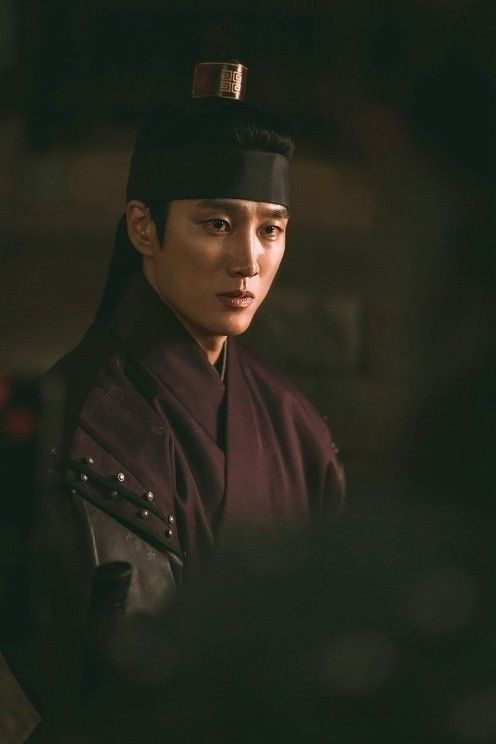
Official Cannes International Series Festival invitee Marble of God also reflected a different layer of Westworld’s post-production strategy. Set against the backdrop of war between Goryeo and Mongolia, the project required heavy tonal depth and textured spatial realism. Westworld reportedly approached the series by emphasizing bleak battlefield atmospheres and the emotional gravity surrounding its characters, visually reinforcing the scale and weight of the historical narrative.
Industry observers note that the expansion of OTT platforms and global streaming distribution has significantly elevated the role of DI and post-production workflows. As content must now deliver consistent emotional impact across mobile devices, televisions, and theatrical environments simultaneously, color grading has increasingly become a core element determining overall production competitiveness. The wider adoption of HDR-based production environments is also accelerating demand for advanced post-production technologies.
Kim Hyung-seok, head of Westworld’s division, stated that the company has expanded from early film-era projects to modern OTT original productions while focusing on translating each work’s unique emotional tone and genre identity into visual form.
CEO Son Seung-hyun described post-production as “the final directing stage that completes the atmosphere and emotion of content,” adding that the company plans to continue strengthening genre-specific visual immersion strategies through detailed narrative analysis.
Westworld operates as a technology-based production group spanning VFX, DI, editing, and virtual production. The company has expanded its footprint in the post-production market through participation in projects including Squid Game, Sweet Home, Extraordinary Attorney Woo, Exhuma, and Queen of Tears.
Reported by News Culture M.J._mj94070777@nc.press
Copyright ⓒ 뉴스컬처 무단 전재 및 재배포 금지


